
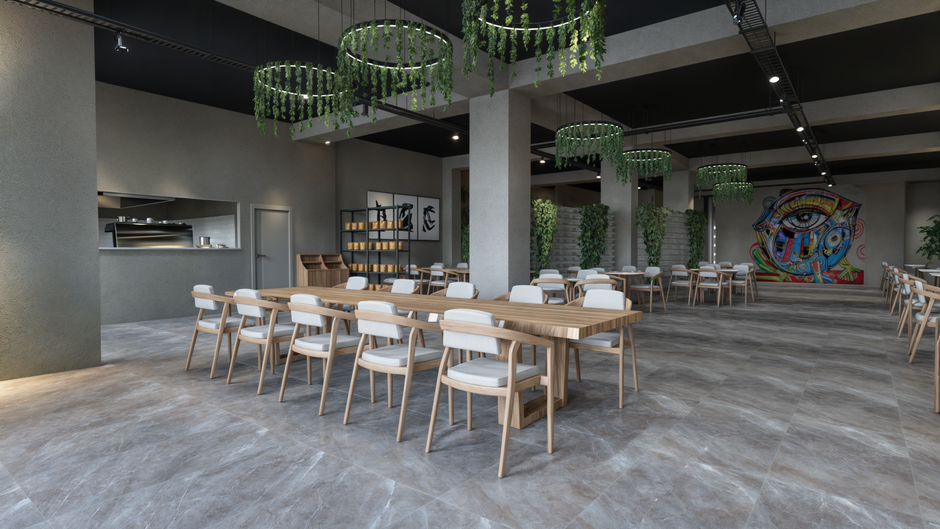
In the competitive world of dining, the interior design of a restaurant plays a crucial role in attracting and retaining customers. An inviting atmosphere can significantly enhance the dining experience, making it essential for restaurateurs to invest in thoughtful design. This article delves into the key elements of restaurant interior design, exploring how these components contribute to a memorable dining environment.
Understanding the Importance of Interior Design
Interior design is more than just aesthetics; it influences how customers perceive a brand and interact with the space. A well-designed restaurant interior can evoke emotions, create a sense of comfort, and encourage patrons to linger longer, which often translates into higher sales. According to a study by the National Restaurant Association, 30% of diners say they will return to a restaurant based on its ambiance alone.
Furthermore, the interior design can communicate the restaurant’s theme and concept effectively. For instance, a fine dining establishment might opt for a sophisticated and elegant design, while a casual eatery may choose a more relaxed and vibrant atmosphere. This alignment between design and concept is crucial for building a restaurant’s identity and attracting the right clientele.
Key Elements of Restaurant Interior Design
Several key elements contribute to effective restaurant interior design. These include layout, color scheme, lighting, furniture selection, and decor. Each of these components plays a vital role in creating a cohesive and appealing environment.
The layout of a restaurant should facilitate easy movement for both customers and staff. An efficient layout can enhance the flow of service, making it easier for servers to navigate the space and for patrons to enjoy their meals without feeling cramped. Additionally, the arrangement of tables should consider privacy and noise levels, allowing for a comfortable dining experience.
Color schemes in interior design can evoke specific emotions and set the mood. Warm colors like reds and oranges can stimulate appetite, while cooler tones can create a calming atmosphere. Choosing the right colors is essential for aligning with the restaurant’s theme and attracting the desired clientele. For example, a trendy cafe might opt for bright, bold colors to appeal to a younger audience.
The Role of Lighting in Setting Ambiance
Lighting is one of the most critical aspects of restaurant interior design. It not only illuminates the space but also influences the mood of diners. Natural light can create a warm and inviting atmosphere during the day, while dim lighting can enhance intimacy in the evening. Layered lighting—combining ambient, task, and accent lighting—can provide flexibility and enhance the overall aesthetic of the restaurant.
Moreover, unique lighting fixtures can serve as focal points that add character to the space. For instance, a chic bistro might feature vintage pendant lights, while a modern eatery may incorporate sleek, minimalist fixtures. The right lighting design can elevate the dining experience and encourage customers to share their experiences on social media, further promoting the restaurant.
Incorporating Branding into Design
Effective restaurant interior design should reflect the business’s branding and values. This connection can be established through the use of logos, color schemes, and design motifs that resonate with the restaurant’s identity. For instance, a farm-to-table restaurant might incorporate rustic elements like reclaimed wood and natural materials to convey its commitment to sustainability.
Additionally, creating a unique design that sets the restaurant apart from competitors is crucial. Unique design features, such as an open kitchen concept or interactive dining experiences, can create a memorable impression on patrons. These elements not only enhance the dining experience but also encourage word-of-mouth marketing.
Case Studies of Successful Restaurant Designs
Examining successful case studies can provide valuable insights into effective restaurant interior design. For example, the acclaimed restaurant Noma in Copenhagen features a design that harmonizes with the surrounding landscape, emphasizing its commitment to local ingredients. The use of natural materials and earthy tones creates a connection with nature, enhancing the overall dining experience.
Another notable example is the restaurant The ledge in New York City, which utilizes a modern industrial design with an open floor plan that encourages social interaction. The combination of exposed brick, metal fixtures, and communal tables fosters a vibrant atmosphere that appeals to urban diners.
These examples demonstrate how thoughtful design can contribute to the overall success of a restaurant by creating a strong brand identity and enhancing the customer experience.
Conclusion
In conclusion, the interior design of a restaurant is a fundamental aspect that can significantly impact its success. By understanding the importance of various design elements such as layout, color, lighting, and branding, restaurateurs can create inviting spaces that enhance the dining experience. Investing in quality restaurant interior design not only attracts customers but also fosters loyalty, making it a worthwhile endeavor for any restaurant owner. For those looking to explore more about restaurant interior design, considering these factors will undoubtedly lead to a more successful and enjoyable dining environment.