
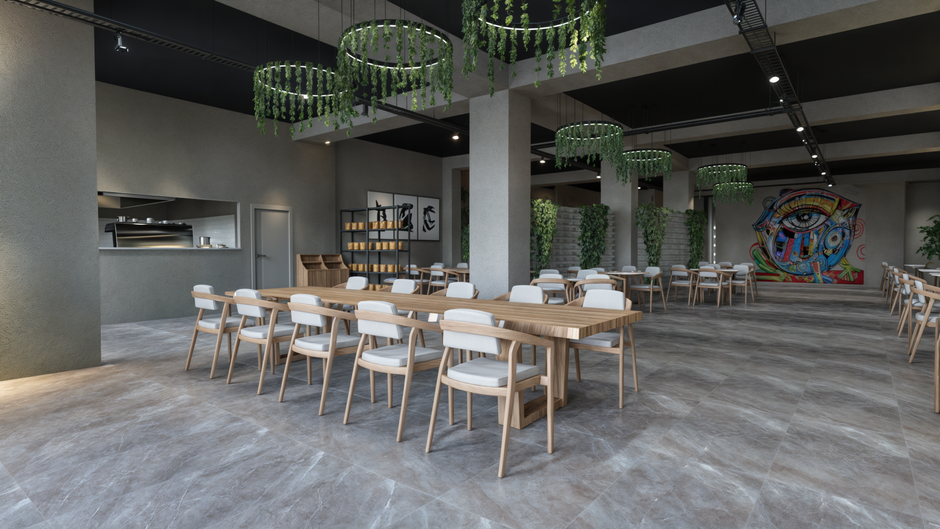
The ambience of a restaurant is often as important as the food served. A well-thought-out interior design not only attracts customers but also enhances their dining experience, encouraging them to return. In this article, we explore the essential elements of effective restaurant interior design, trends that are shaping the industry, and practical tips for creating an inviting atmosphere.
Understanding the Importance of Interior Design
Restaurant interior design is crucial for several reasons. First and foremost, it sets the mood for diners. The colors, furniture, and layout work together to create an atmosphere that can convey warmth, elegance, or even excitement. According to a survey by the National Restaurant Association, 60% of diners say that the overall environment contributes significantly to their dining experience.
Moreover, interior design impacts the functionality of the space. An efficient layout can help manage the flow of traffic, making it easier for staff to serve customers while ensuring that diners have ample space to enjoy their meals. In these ways, effective interior design not only attracts customers but also enhances operational efficiency.
Key Elements of Restaurant Interior Design
When embarking on a restaurant interior design project, there are several key elements to consider. First is the theme. The theme should resonate with the type of cuisine being offered. For instance, a rustic Italian restaurant might use wooden tables and vintage decor, while a modern sushi bar may opt for sleek lines and minimalistic furnishings.
Another critical aspect is lighting. The right lighting can make or break a restaurant’s atmosphere. Soft, warm lights can create an intimate setting, while brighter lights may be more appropriate for fast-casual dining environments. Incorporating various light sources, such as pendant lights and wall sconces, can add depth and character to the space.
Trends in Restaurant Interior Design
Staying ahead of design trends is essential for attracting a modern clientele. One notable trend is the incorporation of biophilic design, which brings elements of nature indoors. This can include living walls, plants, and natural materials like stone and wood, creating a calming environment that resonates with customers.
Another trend is the use of open spaces. Many new restaurants are adopting open kitchen designs, allowing diners to see the cooking process. This transparency not only engages customers but also builds trust in the food being served. The combination of both biophilic and open space designs can significantly enhance the overall dining experience.
Practical Tips for Effective Design Implementation
Implementing an effective restaurant interior design requires careful planning and execution. Start by creating a mood board that reflects the desired atmosphere. Include images, color swatches, and material samples to visualize the concept before moving forward.
Additionally, consider the layout carefully. Ensure there is a balance between seating capacity and comfort. Avoid overcrowding tables, as this can lead to a chaotic atmosphere. Instead, create distinct zones for different dining experiences, such as cozy corners for couples and larger tables for groups.
Finally, don’t forget about the details. Small elements like table settings, artwork, and music can enhance the overall ambience. Incorporating unique decor pieces that tell a story about the restaurant can leave a lasting impression on diners.
Conclusion
In conclusion, restaurant interior design is a multifaceted discipline that requires a keen understanding of both aesthetics and functionality. By focusing on key elements such as theme, lighting, and layout, restaurant owners can create inviting spaces that enhance the dining experience. Incorporating current trends and practical tips will ensure that the restaurant not only attracts customers but also keeps them coming back for more. For those looking to delve deeper into the world of restaurant interior design, staying informed about evolving trends and best practices is essential for success.