The interior design of a restaurant plays a crucial role in shaping the customer experience and influencing their dining decisions. From the choice of colors to the arrangement of furniture, every element contributes to the overall atmosphere. In today’s competitive market, a well-thought-out design can set a restaurant apart, attracting not just customers but also creating a loyal fan base. In this article, we will explore the essential components of restaurant interior design, offering insights and practical tips for creating an inviting space.
Understanding the Importance of Interior Design
Restaurant interior design is not merely about aesthetics; it encompasses functionality and comfort as well. A well-designed space can enhance the dining experience, encourage longer stays, and even increase customer spending. According to a study by the Restaurant Association, ambiance accounts for nearly 30% of a customer’s overall experience. Therefore, investing in quality design is essential for any restaurant aiming for success.
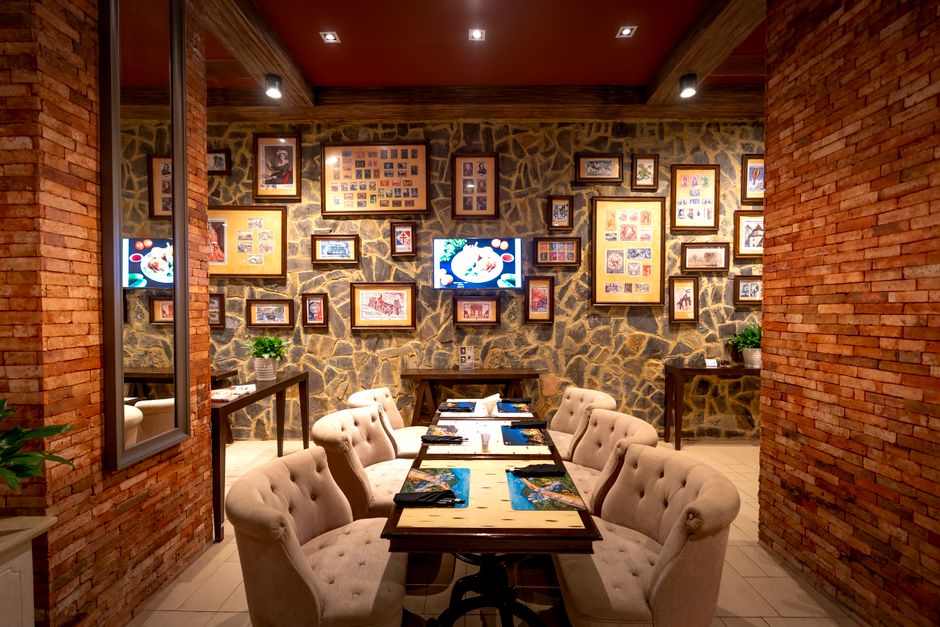
Moreover, the interior design should reflect the restaurant’s brand identity. Whether it’s a casual diner or an upscale fine dining establishment, the design elements should communicate the restaurant’s theme and values. For instance, a farm-to-table restaurant might choose rustic decor with natural materials to emphasize its commitment to sustainability.
Key Elements of Restaurant Interior Design
Several key elements contribute to effective restaurant interior design. First, the layout is vital. It should facilitate smooth traffic flow, allowing customers and staff to navigate effortlessly. A well-planned layout can enhance service efficiency and improve the overall customer experience.
Next, lighting plays a significant role in setting the mood. Different types of lighting can create various atmospheres; soft, warm lighting may be suitable for intimate dining, while bright, vibrant lighting may work well in a lively bar setting. Incorporating natural light can also enhance the space, making it feel more inviting.
Furniture selection is another critical aspect. The furniture should not only align with the restaurant’s theme but also provide comfort to the guests. Ergonomic chairs and tables at appropriate heights can significantly impact the dining experience. Furthermore, the choice of materials and colors for the furniture should harmonize with the overall design concept.
Incorporating Technology into Design
In the age of technology, integrating tech solutions into restaurant interior design is becoming increasingly common. Many restaurants are now opting for digital menus and contactless ordering systems, which can improve efficiency and enhance the customer experience. Additionally, the use of technology for ambiance, such as adjustable lighting and sound systems, allows for a versatile dining environment.
Moreover, incorporating social media-friendly design elements can attract younger customers. Unique decor, such as murals or themed installations, can encourage patrons to take photos and share their experiences online, effectively serving as free marketing for the restaurant.
Trends in Restaurant Interior Design
Staying updated with the latest trends in restaurant interior design is essential for maintaining relevance in the industry. Currently, some popular trends include biophilic design, which incorporates natural elements like plants and greenery, creating a calming and refreshing atmosphere. This trend not only enhances aesthetics but also contributes to the well-being of the guests.
Another growing trend is the use of sustainable materials in design. With an increased focus on environmental responsibility, many restaurants are opting for reclaimed wood, eco-friendly paints, and other sustainable resources. This not only appeals to environmentally conscious consumers but also aligns with the values of many modern diners.
Open kitchen concepts are also gaining popularity, allowing diners to witness the cooking process, which can enhance the dining experience. This transparency builds trust and adds an element of entertainment to the meal.
Conclusion: Crafting a Unique Experience
In conclusion, restaurant interior design is a multifaceted endeavor that significantly impacts customer satisfaction and business success. By understanding the importance of layout, lighting, furniture selection, and the integration of technology, restaurant owners can create a space that not only attracts customers but also keeps them coming back.
As trends continue to evolve, staying informed and adaptable is crucial. Whether through sustainable practices or innovative tech solutions, the goal should always be to craft a unique and memorable dining experience. For those looking to delve deeper into the nuances of restaurant interior design, a wealth of resources and professional services are available to assist in bringing your vision to life.