
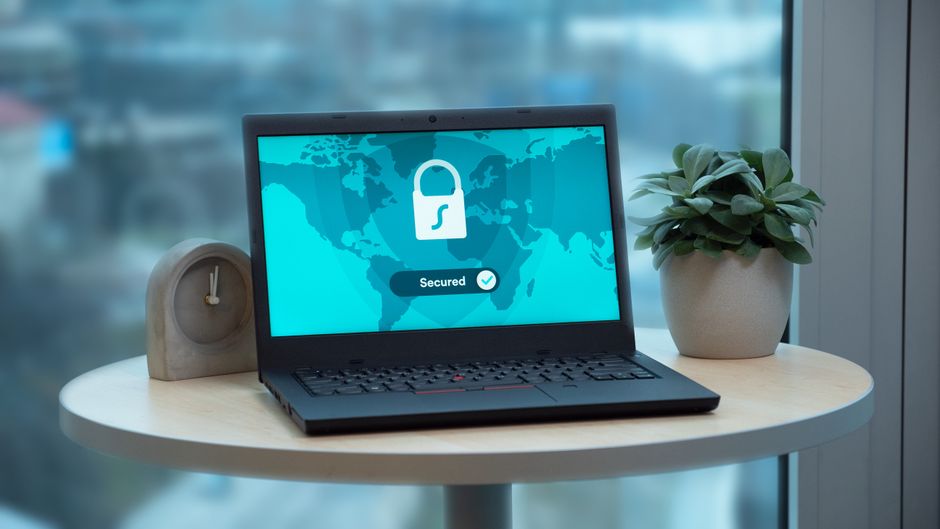
In an increasingly digital world, the importance of online security cannot be overstated. With the rise of cyber threats, protecting personal information has become a priority for internet users globally. One of the most effective tools for ensuring online privacy and security is the Virtual Private Network (VPN) service. This article delves into what VPN services are, why they are essential, and how to choose the right one for your needs.
What is a VPN Service?
A VPN service creates a secure and encrypted connection between your device and the internet. This connection is established through a tunnel that masks your IP address, making your online activities private and secure. When you use a VPN, your internet traffic is routed through a remote server, which helps in concealing your geographical location and prevents unauthorized access to your data.
VPN services are particularly popular among those who value their privacy. By using a VPN, users can browse the internet without being tracked by hackers, ISPs, or even governments. Moreover, VPNs can help bypass geographical restrictions, allowing access to content that may be blocked in certain regions.
Why You Need a VPN Service
There are numerous reasons to consider using a VPN service. Firstly, they provide a significant layer of security, especially when using public Wi-Fi networks. According to a report by the Cybersecurity & Infrastructure Security Agency (CISA), public networks are often vulnerable to data breaches, making it essential to use a VPN to protect sensitive information.
Secondly, VPN services can help with online anonymity. With a VPN, your real IP address is hidden, making it difficult for websites and advertisers to track your online behavior. This anonymity is particularly beneficial for individuals who value their privacy and want to avoid targeted advertising.
Lastly, using a VPN can enhance your streaming experience. Many streaming services restrict content based on geographical locations. By using a VPN, users can easily switch their virtual location to access content that is unavailable in their region. This feature is especially useful for travelers or expatriates who want to enjoy their favorite shows and movies regardless of their physical location.
Choosing the Right VPN Service
When selecting a VPN service, several factors should be considered. One of the most critical aspects is the level of encryption and security protocols offered. Look for services that provide strong encryption standards, such as AES-256, which is widely recognized as a leading encryption standard.
Another important consideration is the server network. A VPN with a wide range of servers across different countries can provide better performance and more options for accessing geo-restricted content. Additionally, consider the speed of the VPN service. Some VPNs can slow down your internet connection, so it’s essential to find one that offers a balance between speed and security.
Lastly, consider the pricing and subscription plans. While some VPN services offer free versions, they often come with limitations in terms of speed, server locations, and security features. Investing in a reliable paid VPN service can provide better security and a more comprehensive feature set. For those looking for the best options, reputable sources such as VPN service reviews can provide valuable insights.
Common Misconceptions About VPN Services
Despite their benefits, there are several misconceptions about VPN services. One common myth is that VPNs are only for tech-savvy individuals. In reality, most VPN services are user-friendly and designed for individuals with varying levels of technical expertise. Most VPNs offer easy installation and straightforward interfaces, making them accessible to everyone.
Another misconception is that using a VPN guarantees complete anonymity online. While VPNs do enhance privacy, they are not a foolproof solution. Users should still adhere to best practices for online security, such as avoiding sharing personal information and being cautious about the websites they visit.
Lastly, some people believe that VPNs are illegal. In most countries, using a VPN is perfectly legal, and many businesses utilize them for secure remote work. However, it’s crucial to check the local laws regarding VPN usage, as some countries impose restrictions.
The Future of VPN Services
The future of VPN services looks promising as concerns over online privacy continue to grow. With increasing awareness of data breaches and surveillance, more individuals are turning to VPNs for protection. Furthermore, as remote work becomes more prevalent, companies are likely to invest in VPN services to secure their sensitive data and maintain secure communication.
Technological advancements will also play a role in shaping the VPN industry. Innovations such as improved encryption methods, faster server speeds, and enhanced user interfaces are likely to emerge. Additionally, the rise of 5G technology may lead to more widespread usage of VPNs, as users look for secure ways to connect their devices in an increasingly connected world.
Conclusion
In conclusion, VPN services are essential tools for ensuring online security and privacy. They provide users with the ability to browse the internet safely, access restricted content, and maintain anonymity. By understanding the importance of VPN services and knowing how to choose the right one, individuals can take proactive steps to protect their online presence. As digital threats continue to evolve, investing in a reliable VPN service is more critical than ever.