In the world of construction, scaffolding plays a pivotal role in ensuring safety and efficiency. As projects become larger and more complex, the need for reliable scaffolding systems grows. Renting scaffolding has emerged as a popular solution for contractors and builders looking to manage costs without compromising on quality. This article delves into the various aspects of scaffolding rental, providing insights on types, benefits, and best practices.
Understanding Scaffolding: Types and Uses
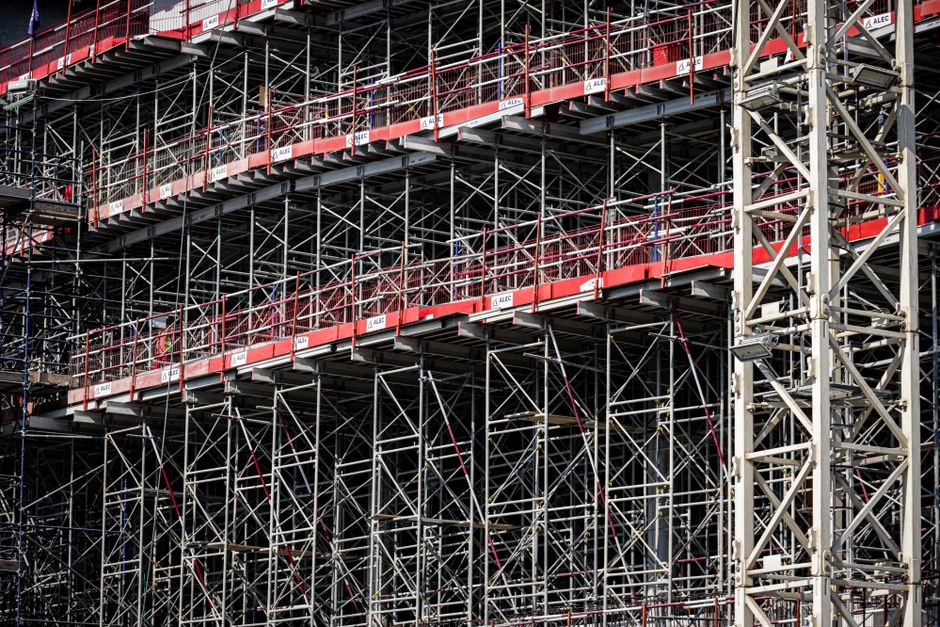
Scaffolding is a temporary structure used to support a work crew and materials during construction or repair. Various types of scaffolding are available, each tailored for specific tasks. Some common types include frame scaffolding, system scaffolding, and suspended scaffolding. Frame scaffolding is one of the most widely used forms, providing a stable platform for workers. System scaffolding, on the other hand, offers flexibility and can be easily adapted to different building shapes.
One notable example of effective scaffolding use is in high-rise construction projects. Here, suspended scaffolding allows workers to access upper levels safely and efficiently, minimizing the risks associated with working at heights. The choice of scaffolding type often depends on the nature of the project and the specific requirements of the site.
The Advantages of Renting Scaffolding
Renting scaffolding offers several advantages over purchasing. Firstly, it significantly reduces upfront costs, allowing contractors to allocate their budget more efficiently. This is particularly beneficial for smaller firms or those taking on short-term projects. Furthermore, renting scaffolding means that companies do not need to worry about storage and maintenance, which can be both costly and time-consuming.
Additionally, rental companies typically offer a variety of options, ensuring that contractors can find the exact type of scaffolding they need for their projects. This variety can enhance safety and efficiency, as workers can select the scaffolding best suited to their specific tasks. For those looking to explore options for scaffolding, scaffolding rental services provide valuable resources.
Factors to Consider When Renting Scaffolding
When deciding to rent scaffolding, several factors must be taken into account. The first is the type of project. Understanding the scope and scale of the work can help determine the most appropriate scaffolding solution. For example, large-scale industrial projects may require heavy-duty scaffolding, while residential renovations may only need lighter systems.
Another crucial consideration is the rental duration. Many companies offer daily, weekly, or monthly rates, and understanding your timeline can help optimize costs. Additionally, check the terms and conditions of the rental agreement, including delivery and pickup options, as well as liability coverage for any potential damages.
Safety Standards and Regulations
Safety is paramount in any construction project, and scaffolding is no exception. Adhering to safety standards and regulations is crucial to ensure the wellbeing of workers. In many regions, scaffolding must meet specific guidelines established by local and national safety organizations.
Contractors should ensure that the scaffolding they rent complies with these regulations. Furthermore, regular inspections and maintenance checks should be part of the rental process to guarantee that the equipment is in safe working condition. Investing in safety not only protects workers but also minimizes the risk of project delays due to accidents or inspections.
Best Practices for Using Rental Scaffolding
To maximize the benefits of renting scaffolding, it’s essential to follow best practices. Firstly, proper training for workers on how to use scaffolding safely is crucial. All crew members should be familiar with the equipment and its limitations.
Moreover, maintaining clear communication among the team can prevent accidents. Regular safety meetings and reminders can reinforce the importance of adhering to safety protocols. Finally, ensuring that the scaffolding is set up on stable ground and properly secured can significantly reduce the likelihood of accidents.
Conclusion
Scaffolding rental is an effective solution for construction projects of all sizes. By understanding the types of scaffolding available, the benefits of renting, and adhering to safety standards, contractors can ensure successful project execution. As the construction industry evolves, the importance of reliable and safe scaffolding systems will continue to be paramount. For those embarking on their next project, considering scaffolding rental options can lead to enhanced efficiency and safety on the job site.