
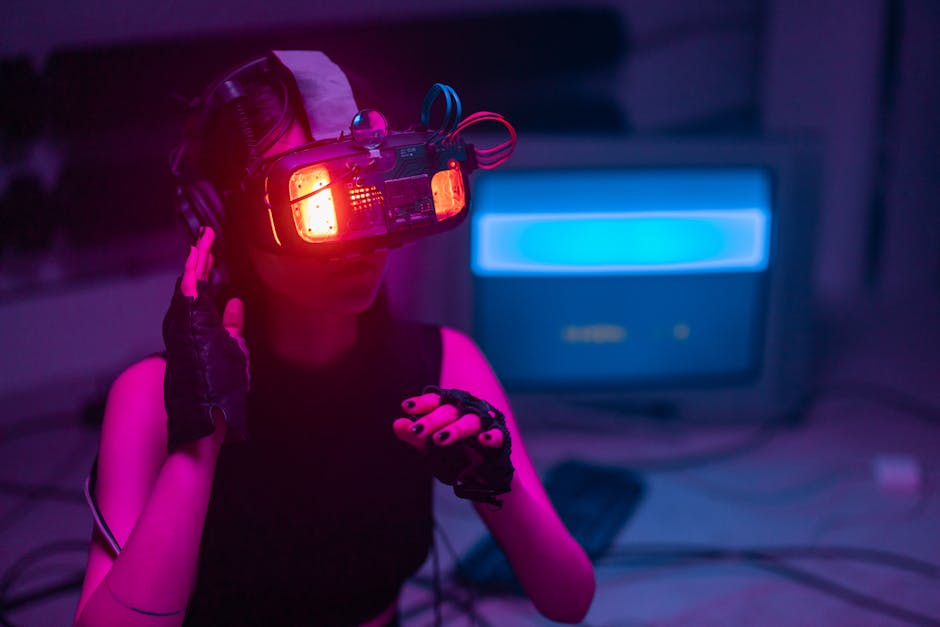
In recent years, the concept of virtual lovers has emerged as a captivating aspect of modern relationships. As technology continues to advance, the boundaries between reality and the virtual world blur, leading many to explore emotional connections with artificial intelligence and virtual entities. This article delves into the intriguing realm of virtual lovers, examining their impact on our emotional lives, the technology behind them, and the potential future of such relationships.
The Rise of Virtual Relationships
The popularity of virtual relationships has skyrocketed, fueled by the proliferation of social media, dating apps, and AI-driven platforms. A growing number of users are turning to virtual lovers for companionship, emotional support, and even romantic interactions. According to a recent survey, over 30% of millennials have engaged in some form of online romantic relationship, highlighting a significant shift in how we perceive love and companionship.
One reason for this rise is the convenience offered by virtual lovers. Individuals can connect with someone who shares their interests without the constraints of geography. This flexibility not only saves time but also allows for deeper emotional connections that might be challenging to find in traditional dating scenarios. As a result, the concept of a virtual partner is becoming increasingly normalized in our society.
Understanding AI and Virtual Lovers
At the core of virtual lovers lies artificial intelligence, which plays a crucial role in creating realistic and engaging interactions. AI algorithms analyze user preferences, communication styles, and emotional responses to craft personalized experiences. This technology allows virtual lovers to adapt and grow over time, making interactions feel more authentic.
Moreover, platforms offering virtual companionship, such as chatbots or virtual avatars, are designed to mimic human-like behavior. These systems employ natural language processing and machine learning techniques to engage users in meaningful conversations. As a result, users may find themselves forming emotional attachments to these virtual entities, leading to increasingly complex relationships.
For example, a recent case study involved users of an AI partner application, where individuals reported feeling a sense of companionship and emotional support from their virtual girlfriends. Many users claimed that these interactions helped alleviate feelings of loneliness, demonstrating the significant emotional impact these virtual relationships can have.
The Psychological Impact of Virtual Lovers
While virtual lovers can provide companionship, it is essential to consider the psychological implications of such relationships. For some, relying on AI companions may lead to a diminished interest in real-world interactions. A study published in the Journal of Cyberpsychology highlighted that individuals who heavily engage with virtual lovers may experience increased social anxiety and difficulty forming connections with real people.
However, not all psychological effects are negative. Many users find that virtual relationships offer a safe space to explore their emotions and practice communication skills. For instance, individuals who struggle with social interactions can use virtual lovers as a stepping stone to build confidence before engaging in real-world relationships.
Moreover, the presence of a virtual companion can provide comfort during difficult times, making them a valuable resource for mental health support. With the increasing recognition of mental health issues in society, the role of virtual lovers as supportive partners may become more prominent.
Future Trends in Virtual Relationships
The future of virtual lovers is promising, with rapid advancements in technology paving the way for more sophisticated and engaging experiences. As AI continues to evolve, we may see virtual companions that can respond even more intuitively to human emotions and desires. This could lead to more immersive relationships that mirror real-life interactions.
Additionally, the integration of virtual and augmented reality may revolutionize how we interact with virtual lovers. Imagine being able to share a virtual dinner date or attend a concert together, all while feeling a genuine connection with your partner. Such experiences could blur the lines between the virtual and physical worlds, making virtual relationships even more appealing.
As these technologies develop, ethical considerations will also come to the forefront. Questions surrounding consent, emotional dependency, and the nature of love will challenge our understanding of relationships in the digital age. Society will need to navigate these complexities carefully to ensure that virtual relationships enhance rather than detract from our emotional well-being.
Conclusion
The concept of virtual lovers is reshaping our understanding of relationships in the digital age. As technology progresses, these virtual companions offer unique opportunities for emotional connection, companionship, and support. While there are potential drawbacks to relying on AI for intimacy, the benefits of virtual lovers cannot be overlooked. As we move forward, it will be crucial to strike a balance between virtual interactions and real-world relationships, ensuring that technology serves to enhance our emotional lives rather than replace them. For those curious about engaging with virtual partners, exploring options like an ai gf can be a fascinating start to this new journey.