
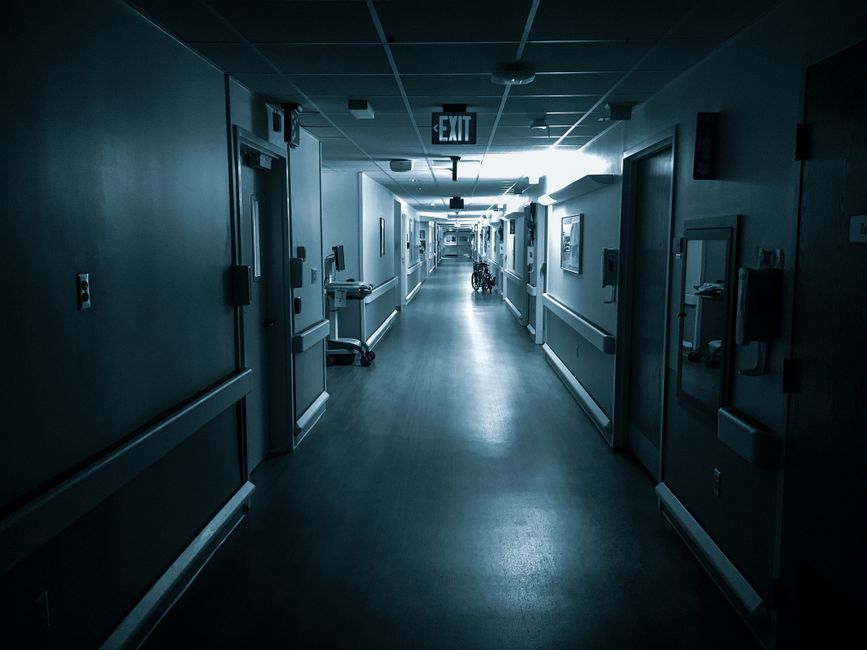
The importance of mental health care has gained significant attention in recent years, prompting discussions about the various types of facilities available for treatment. Among these facilities, psychiatric hospitals play a crucial role in providing specialized care for individuals with severe mental health issues. This article delves into the functions, benefits, and challenges associated with psychiatric hospitals, while also highlighting the importance of seeking help from qualified professionals.
What is a Psychiatric Hospital?
A psychiatric hospital, also known as a mental health facility, is a specialized institution that focuses on the diagnosis and treatment of mental illnesses. These hospitals are equipped with trained mental health professionals, including psychiatrists, psychologists, and psychiatric nurses, who work collaboratively to provide comprehensive care. Patients may be admitted voluntarily or involuntarily, depending on the severity of their condition and the potential risk they pose to themselves or others.
Typically, psychiatric hospitals cater to individuals experiencing acute mental health crises, such as severe depression, schizophrenia, or bipolar disorder. The primary goal of these institutions is to stabilize patients, provide them with therapeutic interventions, and facilitate their reintegration into the community.
Services Provided by Psychiatric Hospitals
Psychiatric hospitals offer a range of services tailored to meet the unique needs of their patients. These services often include:
- Inpatient Treatment: Patients may receive 24/7 care in a secure environment, which is essential for those who require constant monitoring and support.
- Therapeutic Programs: Various therapeutic modalities, such as cognitive-behavioral therapy (CBT), group therapy, and family therapy, are employed to address the underlying issues contributing to mental health problems.
- Medication Management: Psychiatrists prescribe and monitor medications to help manage symptoms effectively, ensuring that patients receive the right dosages and combinations.
- Rehabilitation Services: These programs focus on helping patients develop coping skills, social skills, and vocational skills to prepare them for life outside the hospital.
Moreover, psychiatric hospitals often collaborate with community resources to ensure that patients have access to ongoing support once they leave the facility. This holistic approach is essential for promoting long-term recovery and reducing the likelihood of relapse.
The Importance of Seeking Help
Despite the stigma surrounding mental health issues, seeking help from a psychiatric hospital can be a life-saving decision for many individuals. Early intervention and treatment can significantly improve the prognosis for individuals with mental health conditions. Many individuals experience relief from their symptoms and are able to return to their daily lives with the right treatment plan in place.
When considering treatment options, it’s crucial to choose the right professionals to guide you through the process. For instance, if you are searching for a mental health expert, it may be beneficial to consult a Psychiatrist in dubai who can provide tailored care based on individual needs and circumstances.
Challenges Faced by Psychiatric Hospitals
While psychiatric hospitals play a vital role in mental health care, they also face several challenges. One significant issue is the stigma associated with mental illness, which can deter individuals from seeking help. Furthermore, funding for mental health services is often inadequate, leading to overcrowding and limited resources within these facilities.
Another challenge is the ongoing debate regarding involuntary treatment. In situations where patients are deemed a danger to themselves or others, hospitals may need to resort to involuntary admissions, which can be controversial and raise ethical concerns.
The Future of Psychiatric Hospitals
As mental health awareness continues to grow, the future of psychiatric hospitals looks promising. Innovations in treatment approaches, such as telepsychiatry and integrated care models, are being explored to enhance accessibility and effectiveness. Additionally, there is a growing emphasis on community-based care, which aims to provide support within the patient’s local environment rather than relying solely on hospitalization.
In conclusion, psychiatric hospitals serve as crucial components of the mental health care system, offering specialized services for those in need. By understanding the role these institutions play and the importance of seeking help, we can work towards reducing the stigma surrounding mental health and ensuring that individuals receive the care they deserve.