
In today’s fast-paced world, ensuring safety and compliance in various sectors has become paramount. One critical aspect of maintaining a safe environment is the implementation of drug testing services. These services are not only essential for workplaces but also play a vital role in public safety, healthcare, and legal professions. This article delves into the multifaceted importance of drug testing services, exploring their benefits, methodologies, and the ethical considerations surrounding them.
The Role of Drug Testing in the Workplace
Workplace safety is a top priority for employers across all industries. Implementing a reliable drug testing service can significantly reduce the risks associated with substance abuse among employees. According to the National Council on Alcoholism and Drug Dependence, employees who abuse drugs are more likely to be absent, show decreased productivity, and pose safety risks. By integrating drug testing into their hiring and ongoing employee evaluation processes, companies can foster a safer and more productive work environment.
Furthermore, organizations that actively promote drug-free workplaces benefit from lower insurance premiums and reduced liability. A study from the Substance Abuse and Mental Health Services Administration (SAMHSA) indicates that workplaces with drug testing programs see a 50% reduction in workplace accidents. This statistic underscores the effectiveness of drug testing services in enhancing overall workplace safety.
Types of Drug Testing Services
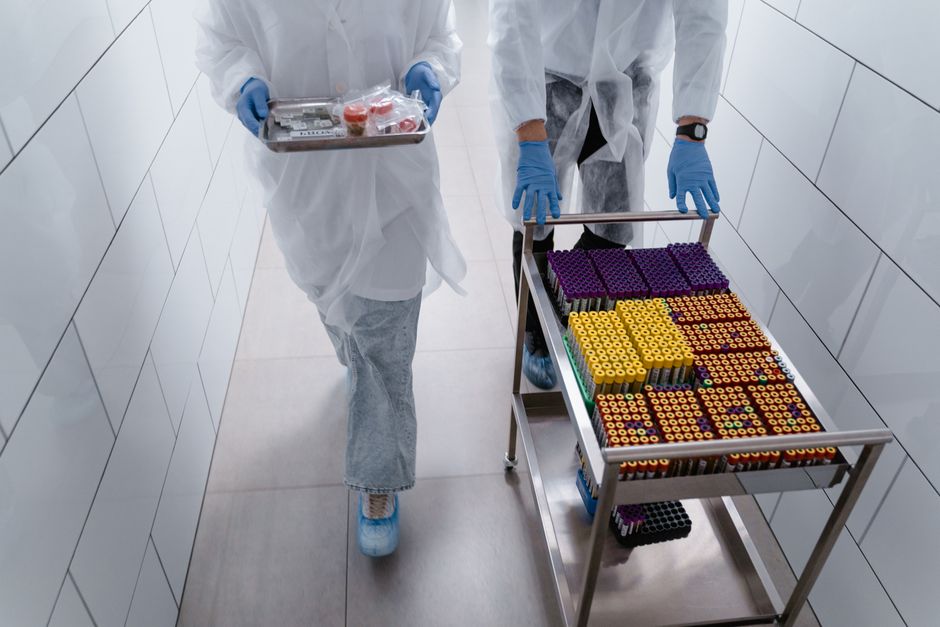
Drug testing services come in various forms, each with its unique methodologies and applications. The most common types include urine testing, hair testing, saliva testing, and blood testing. Each method has its advantages and limitations, making it essential for organizations to choose the right one based on their specific needs.
Urine testing is the most widely used method due to its cost-effectiveness and ease of collection. It can detect a range of substances, including marijuana, cocaine, and opiates. On the other hand, hair testing provides a longer detection window, making it useful for identifying past drug use. Saliva tests are increasingly popular for their convenience and non-invasive nature, while blood tests, although less common due to their invasive nature, can provide accurate results for certain drugs.
For organizations looking to implement a comprehensive drug testing program, consulting with a professional drug testing service, such as drug testing service, can provide valuable insights into the best practices and methodologies suited for their specific industry.
Legal and Ethical Considerations
While drug testing services offer numerous benefits, they also raise several legal and ethical considerations. Employers must navigate the complex landscape of privacy laws and regulations to ensure that their drug testing policies comply with local, state, and federal laws. The Americans with Disabilities Act (ADA) and the Health Insurance Portability and Accountability Act (HIPAA) are two critical legal frameworks that impact drug testing practices.
Moreover, ethical considerations come into play when determining the extent and frequency of drug testing. Organizations must strike a balance between maintaining a safe work environment and respecting employee privacy. Transparent communication about drug testing policies and providing employees with information about their rights can help mitigate potential conflicts and foster a culture of trust.
The Future of Drug Testing Services
As technology continues to evolve, the future of drug testing services is likely to see significant advancements. Innovations such as rapid testing kits and mobile drug testing solutions are making drug testing more accessible and efficient. These advancements allow for quicker results and increased convenience, making it easier for organizations to implement drug testing programs.
Additionally, the growing acceptance of marijuana for medicinal and recreational use presents new challenges for drug testing services. Organizations will need to adapt their testing policies to reflect changing laws and societal attitudes towards certain substances. This adaptability will be crucial in ensuring that drug testing services remain relevant and effective in the coming years.
Conclusion
In conclusion, drug testing services play a vital role in promoting safety and compliance across various sectors. From the workplace to healthcare and legal professions, the implementation of effective drug testing programs can lead to significant benefits for both organizations and individuals. By understanding the types of drug testing services available, the legal and ethical considerations involved, and the future trends shaping this industry, organizations can make informed decisions that enhance safety and productivity. As we move forward, the importance of drug testing services will only continue to grow, underscoring their significance in today’s society.