
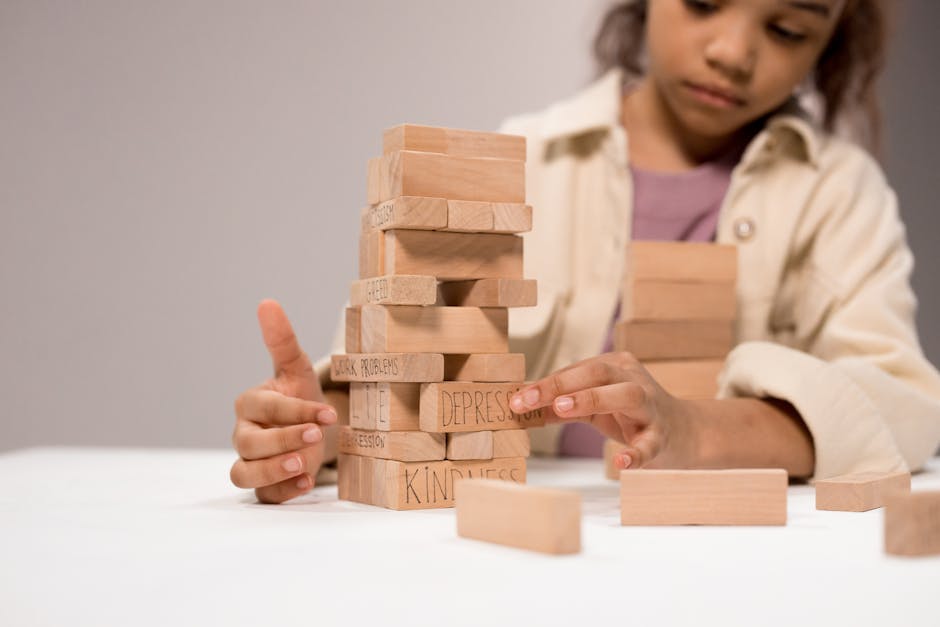
Child therapy is an essential aspect of mental health care that addresses the unique emotional and psychological needs of children. As children grow, they encounter various challenges that can affect their emotional well-being, from family dynamics to social interactions. Understanding child therapy and its benefits can provide crucial support for children navigating their formative years.
The Role of Child Therapy
Child therapy serves as a safe space for children to express their feelings and thoughts. This therapeutic environment allows them to explore their emotions, learn coping strategies, and develop healthy relationships. Therapists trained in child psychology use various methods tailored to the child’s age, developmental level, and specific needs.
One primary goal of child therapy is to enhance emotional regulation. Children often struggle to articulate their feelings, leading to behavioral issues. By working with a therapist, children can learn to identify their emotions and understand how to manage them effectively. This process not only helps them in the present but also equips them with skills for future emotional challenges.
Types of Child Therapy Approaches
There are several therapeutic approaches utilized in child therapy, each catering to different needs and circumstances. Play therapy, for instance, is one of the most common methods used with younger children. Through play, children can express themselves and communicate their experiences in a manner that feels natural to them.
Another effective approach is cognitive-behavioral therapy (CBT), which focuses on identifying and changing negative thought patterns. CBT can be particularly beneficial for children dealing with anxiety or depression, as it helps them develop a more positive outlook on life.
Furthermore, family therapy can be an integral part of the therapeutic process. Involving the family in therapy sessions can improve communication and understanding among family members, addressing issues that may contribute to the child’s emotional struggles.
Benefits of Child Therapy
Engaging in therapy offers numerous benefits for children’s emotional health. Studies have shown that children who participate in therapy experience reduced symptoms of anxiety and depression, leading to improved overall well-being. Additionally, therapy can enhance a child’s self-esteem and social skills, making it easier for them to navigate friendships and peer relationships.
Moreover, therapy can also provide support for children dealing with trauma. Whether it be from bullying, family issues, or other distressing experiences, therapy offers a constructive outlet for processing these events and moving toward healing.
Parents often notice significant changes in their child’s behavior and emotional responses following therapy. Increased emotional resilience and better coping mechanisms are just a few of the positive outcomes that can emerge from the therapeutic process.
When to Seek Child Therapy
Recognizing when a child may benefit from therapy can be challenging for parents. Signs that a child may need professional help include persistent sadness, withdrawal from social interactions, drastic changes in behavior, or difficulties in school. If a child is showing signs of distress that interfere with their daily life, seeking therapy can be a proactive step toward recovery.
It’s important for parents to approach the idea of therapy positively, normalizing the process as a means of support rather than a punishment. Children should understand that therapy is a helpful resource for anyone facing difficulties, just like visiting a doctor for physical health concerns.
Additionally, parents can consult with educators or pediatricians for guidance on choosing the right therapist and approach. A collaborative effort ensures that the child’s needs are met holistically.
Conclusion: The Lifelong Impact of Child Therapy
In conclusion, child therapy plays a vital role in fostering emotional health and resilience in children. By providing them with tools to navigate their emotions and relationships, therapy can significantly influence their development and future well-being. As parents and caregivers, recognizing the importance of therapy can lead to empowering children to grow into emotionally healthy adults. For those interested in understanding specific therapeutic techniques, resources such as What is ABA therapy provide valuable insights into additional support options available for children.