
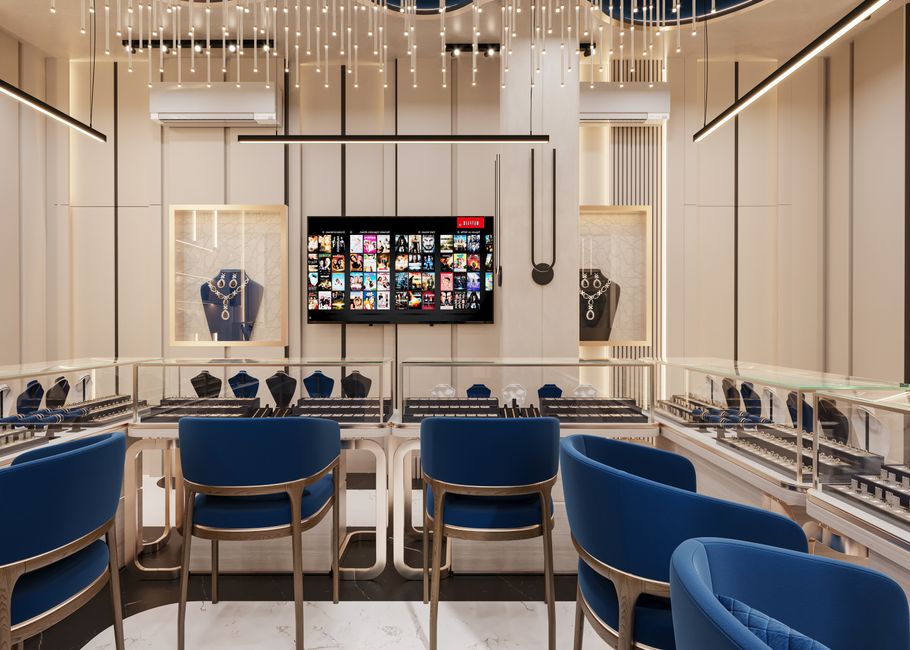
In today’s competitive business landscape, the significance of a well-designed commercial space cannot be overstated. A commercial interior designer plays a crucial role in creating environments that not only reflect a brand’s identity but also enhance functionality and employee productivity. As businesses strive to create spaces that resonate with their customers and employees, understanding the importance of commercial interior design becomes paramount.
The Importance of Commercial Interior Design
Commercial interior design encompasses a range of services aimed at optimizing the function and aesthetics of business spaces. This includes offices, retail stores, restaurants, and other commercial entities. A well-thought-out design can significantly impact customer experience and employee satisfaction, leading to increased productivity and sales. According to a study by the American Society of Interior Designers, 93% of employees believe that the office environment is critical to their productivity.
Moreover, a thoughtfully designed space can also reduce operational costs. For instance, effective space planning can maximize the use of available square footage, ultimately lowering rental costs. Additionally, the integration of sustainable design practices can lead to significant savings on energy bills, further emphasizing the value of hiring a commercial interior designer.
Key Responsibilities of a Commercial Interior Designer
The responsibilities of a commercial interior designer are diverse and multifaceted. Initially, they conduct thorough assessments of the client’s needs and preferences, which serves as the foundation for the entire design process. This includes understanding the brand’s identity, target audience, and functional requirements.
Following this, the designer develops comprehensive design plans that incorporate layout, color schemes, furniture, and lighting. Each element is meticulously selected to enhance the overall aesthetic and functionality of the space. For example, in a retail setting, the placement of merchandise and the flow of foot traffic are crucial aspects that a designer must consider.
Furthermore, commercial designers often collaborate with architects and contractors to ensure that the design is feasible and within budget. This collaboration is essential for maintaining timelines and ensuring that the final product aligns with the client’s vision.
Trends in Commercial Interior Design
As the world evolves, so do the trends in commercial interior design. One current trend is the use of biophilic design, which incorporates natural elements into the built environment. This approach has been shown to improve employee well-being and boost productivity. Companies like Google have implemented biophilic design principles in their offices, resulting in a more inviting and stimulating atmosphere.
Another trend is the focus on flexibility and adaptability. With the rise of remote work, businesses are rethinking their office layouts to accommodate a hybrid workforce. This has led to the creation of multifunctional spaces that can be easily reconfigured based on current needs. Designers are now integrating movable furniture and modular partitions to facilitate this flexibility.
Case Studies: Successful Commercial Designs
There are numerous examples of successful commercial interior design projects that illustrate the impact of a well-designed space. One notable instance is the transformation of the Airbnb headquarters in San Francisco. The design emphasizes openness and collaboration, featuring communal areas, flexible workspaces, and vibrant colors that reflect the brand’s ethos.
Another example is the redesign of the Starbucks Reserve Roastery in Milan. The space showcases artisanal coffee brewing processes and offers customers an immersive experience. The design incorporates local materials and reflects the city’s rich cultural heritage, making it a unique destination for visitors.
Choosing the Right Commercial Interior Designer
When selecting a commercial interior designer, it is essential to consider several factors. First and foremost, assess their portfolio to ensure that their design style aligns with your vision. Look for designers who have experience in similar projects and can provide references from previous clients.
Communication is another critical aspect. A successful designer should be able to articulate their ideas clearly and be receptive to client feedback. Additionally, consider their approach to project management and how they handle timelines and budgets.
Ultimately, a good commercial interior designer will not only create a beautiful space but also contribute to the overall success of your business by enhancing functionality and customer experience.
Conclusion
In conclusion, the role of a commercial interior designer is integral to the success of any business. By creating spaces that reflect a brand’s identity while maximizing functionality, these professionals help businesses thrive in a competitive marketplace. As trends continue to evolve, staying informed about the latest design practices will enable companies to adapt and create environments that foster growth and innovation.