In recent years, mural painting has emerged as a popular choice for transforming spaces, whether it be residential homes, commercial buildings, or public areas. This unique form of art not only adds aesthetic value but also tells a story and enhances the overall ambiance of a place. In this article, we will explore the various aspects of mural painting services, including their benefits, the process involved, and how to choose the right service provider.
The Benefits of Mural Painting
Mural painting offers a multitude of benefits that can significantly enhance a space. Firstly, it serves as a powerful visual statement that can reflect the personality of a home or the brand of a business. For instance, a brightly colored mural in a children’s room can stimulate creativity and imagination, while a sophisticated mural in a corporate office can convey professionalism and innovation.
Moreover, murals can also improve the mood and atmosphere of a space. Studies have shown that exposure to art can reduce stress and increase feelings of happiness. Therefore, investing in a mural can be seen as an investment in well-being. In outdoor settings, murals can contribute to community identity and pride, often becoming landmarks that bring people together.
Additionally, murals can be a cost-effective way to refresh and update a space without the need for extensive renovations. Unlike traditional wall treatments that may require frequent updates and maintenance, murals can last for years, providing long-term value.
The Process of Mural Painting
The process of creating a mural typically involves several key stages, each of which is crucial for ensuring the final product meets the client’s vision. The first step is consultation, where the muralist discusses ideas, themes, and desired outcomes with the client. This phase is essential for understanding the specific requirements and preferences.
Next, the artist will create a sketch or a digital rendering of the proposed mural. This allows the client to visualize the concept before the actual painting begins. Once approved, the preparation of the wall surface is conducted, which may involve cleaning, priming, and sometimes repairing any imperfections.
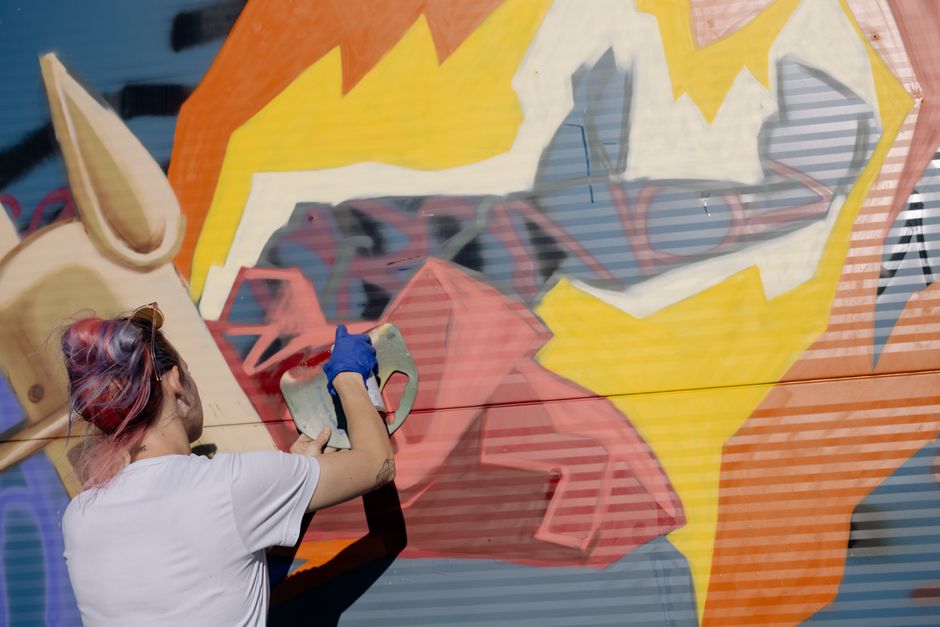
After the preparation, the muralist will begin painting, often using a combination of brushes, spray paints, and other tools. Depending on the complexity of the design, this phase can take anywhere from a few days to several weeks. Once completed, a protective coating may be applied to ensure the mural withstands environmental factors and maintains its vibrancy over time. For those interested in such services, considering a professional mural painting service can ensure high-quality results.
Choosing the Right Mural Painting Service
Selecting the right mural painting service is crucial for achieving the desired outcome. When searching for a professional, it is important to look for an artist with a strong portfolio that demonstrates their style and capabilities. Reviewing past projects can give insight into their experience and versatility.
Client testimonials and references can also provide valuable information about the service’s reliability and quality. It is advisable to communicate openly with potential artists about your vision and expectations, ensuring they are on the same page before starting the project.
Furthermore, understanding the materials and techniques the artist plans to use is essential. High-quality paints and protective coatings can significantly impact the durability and appearance of the mural. Finally, discussing timelines and budgets upfront can help prevent misunderstandings down the line.
Incorporating Murals into Different Spaces
Murals can be effectively incorporated into various environments, each requiring a tailored approach. In residential spaces, for instance, a children’s room may benefit from whimsical designs featuring animals or fantasy themes, while a home office could feature motivational quotes or abstract designs that inspire productivity.
In commercial settings, murals can reinforce brand identity. Businesses may opt for murals that incorporate their logos, colors, or themes that resonate with their target audience. Restaurants, bars, and cafes can create inviting atmospheres with murals that reflect their cuisine or culture.
Public murals, often seen in urban areas, can serve to beautify neighborhoods, promote community messages, or commemorate local history. Engaging local artists for such projects can foster community pride and participation.
Conclusion
Mural painting services offer a unique opportunity to enhance and transform spaces through art. With numerous benefits, from aesthetic appeal to emotional well-being, murals can be an ideal solution for various environments. By understanding the mural painting process and carefully selecting a service provider, individuals and businesses can create stunning works of art that reflect their vision and values. Whether you are looking to brighten a room or make a statement in a public space, mural painting can indeed be a transformative experience.