
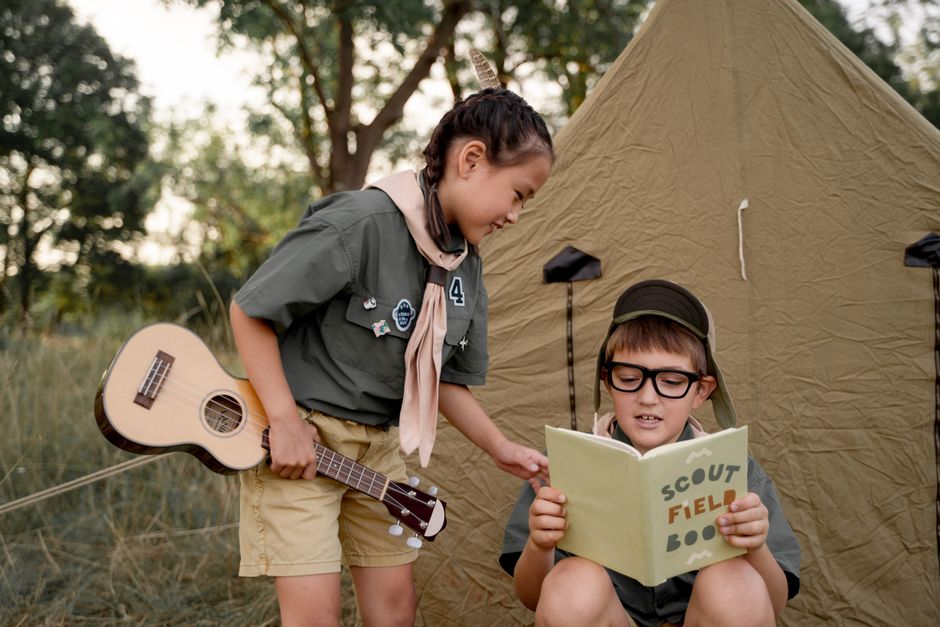
Summer camps have become a beloved tradition for families around the world, and they hold an especially significant place in the hearts of elementary school students. These camps not only provide a break from the routine of school but also offer a unique opportunity for children to explore new interests, make friends, and develop essential life skills. In this article, we will delve into the various aspects of summer camps designed specifically for young learners, including the benefits, types of programs available, and tips for parents on how to choose the right camp.
The Benefits of Summer Camps
Summer camps offer numerous benefits for elementary school children. Firstly, they provide a chance for kids to engage in physical activities, which is crucial for their overall health and well-being. With structured programs that include sports, hiking, and outdoor games, children can improve their physical fitness while having fun.
Moreover, summer camps foster social skills. Being away from home and interacting with peers encourages children to develop friendships, learn teamwork, and enhance their communication abilities. This social aspect is particularly important as it allows kids to build confidence and independence as they navigate new environments.
Additionally, summer camps often include educational components, such as workshops in science, arts, or technology. These programs can ignite a passion for learning in children and help them discover new interests that they might pursue in school or later in life.
Types of Summer Camps for Elementary Students
The variety of summer camps available today is staggering, catering to a wide range of interests and needs. Traditional day camps typically offer a mix of activities, including sports, arts and crafts, and outdoor adventures. These camps are great for children who enjoy a little bit of everything.
Specialized camps focus on specific interests, such as sports, music, or science. For example, a science camp might include hands-on experiments and exploration of natural sciences, while a music camp offers lessons in playing instruments and singing. Parents can choose a camp based on their child’s interests to ensure they have a fulfilling experience.
Another popular option is overnight camps, which provide a more immersive experience. These camps allow children to stay away from home for several days or weeks, promoting independence and resilience. Overnight camps often include a variety of activities, from swimming and hiking to campfire stories and stargazing.
How to Choose the Right Summer Camp
Choosing the right summer camp for your child can be a daunting task, but with a few guidelines, parents can make informed decisions. Start by considering your child’s interests and personality. Does your child prefer structured activities, or do they thrive in unstructured environments? This can help narrow down the options.
Research is crucial. Look for camps that have good reputations, positive reviews from other parents, and qualified staff. Visiting the camp’s website can provide valuable information about their programs, safety measures, and staff qualifications.
Finally, consider the camp’s location and schedule. A camp that is close to home may be more convenient, especially for younger children. Additionally, check the camp’s schedule to ensure it aligns with your family’s summer plans.
Preparing Your Child for Camp
Once you’ve chosen a summer camp, it’s important to prepare your child for the experience. Talk to them about what to expect and encourage them to express any concerns they may have. This conversation can alleviate anxiety and build excitement for the upcoming adventure.
Involve your child in the packing process. Let them choose some of their favorite items to bring along, such as a favorite stuffed animal or a book. This will make them feel more comfortable in a new environment.
Finally, set expectations regarding behavior and independence. Discuss the importance of following camp rules, being respectful to others, and trying new things. This will equip your child with the mindset needed for a successful camp experience.
Conclusion
Summer camps for elementary school students offer a wealth of opportunities for growth, learning, and fun. With various types of camps available, parents can choose the right program that aligns with their child’s interests and needs. By preparing adequately and encouraging open communication, families can ensure a positive and enriching summer camp experience. For those interested, more information can be found at サマーキャンプ 小学生.