
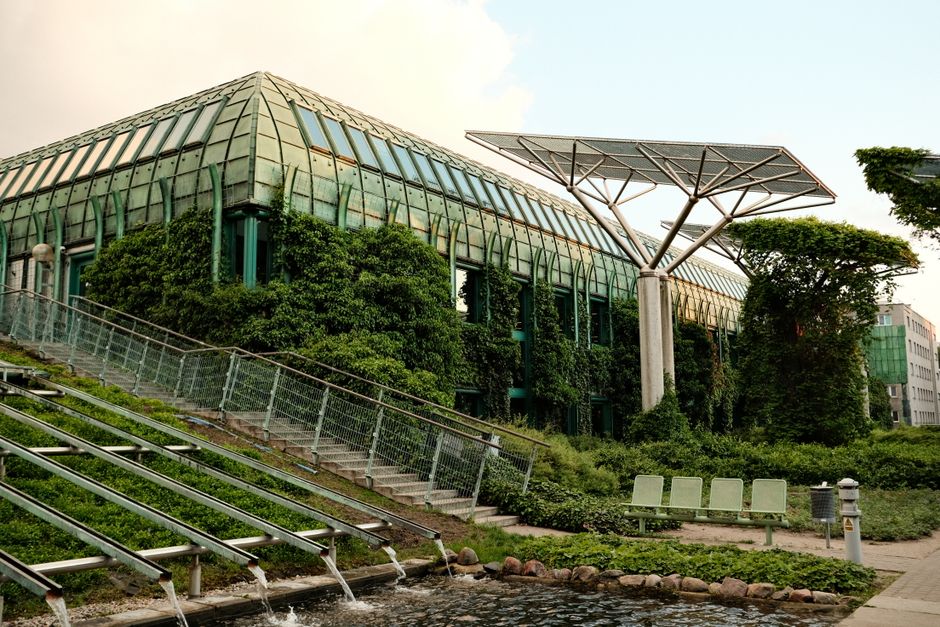
The growing emphasis on sustainability has led to a significant transformation in the architecture industry. As society becomes increasingly aware of environmental issues, the demand for sustainable architecture firms has surged. These firms not only prioritize eco-friendly designs but also aim to create spaces that contribute positively to the environment. In this article, we will explore the characteristics, benefits, and future of sustainable architecture firms, showcasing how they are reshaping the built environment.
Defining Sustainable Architecture
Sustainable architecture refers to the practice of designing buildings that minimize environmental impact while maximizing energy efficiency and resource conservation. This approach takes into account various factors, including site selection, material usage, and energy consumption. Sustainable architecture firms strive to create a harmonious balance between human needs and environmental stewardship.
One of the key principles of sustainable architecture is the use of renewable resources. For instance, many firms incorporate solar panels and green roofs into their designs. According to a report by the U.S. Green Building Council, buildings that utilize sustainable practices can reduce energy consumption by up to 30%. This not only lowers operating costs but also diminishes the carbon footprint of the structure.
Furthermore, sustainable architecture often emphasizes the importance of natural light and ventilation. By strategically placing windows and using materials that reflect light, architects can create spaces that are naturally bright and airy, reducing the need for artificial lighting and air conditioning.
The Role of Sustainable Architecture Firms
Sustainable architecture firms play a crucial role in promoting eco-friendly practices within the construction industry. They not only design buildings but also educate clients about the long-term benefits of sustainable practices. A notable example is the firm Gensler, which has completed numerous projects focusing on sustainability and has been recognized for its leadership in environmentally responsible design.
These firms often employ professionals with specialized knowledge in sustainability. Architects, engineers, and designers work collaboratively to ensure that every aspect of a project aligns with sustainable principles. For instance, they might conduct lifecycle assessments to evaluate the environmental impact of materials throughout their lifespan, helping clients make informed decisions.
Moreover, many sustainable architecture firms are committed to obtaining certifications such as LEED (Leadership in Energy and Environmental Design). Achieving such certifications not only enhances a firm’s reputation but also assures clients of the project’s sustainability credentials.
Benefits of Choosing a Sustainable Architecture Firm
Opting for a sustainable architecture firm can yield numerous benefits, both for clients and the environment. One of the most significant advantages is cost savings. Although the initial investment in sustainable materials and technologies may be higher, the long-term savings on energy bills can be substantial. According to the World Green Building Council, green buildings can save up to 40% in energy costs compared to conventional structures.
Additionally, sustainable architecture contributes to improved indoor air quality. By utilizing non-toxic materials and incorporating proper ventilation systems, these buildings foster healthier environments for occupants. This is particularly important in commercial spaces, where employee well-being can directly impact productivity.
Another benefit is the potential for increased property value. As more buyers seek eco-friendly homes, properties designed by a sustainable architecture firm are often more desirable on the market. This trend is reflected in a report by the National Association of Realtors, which indicates that green features can significantly enhance a property’s resale value.
Challenges Faced by Sustainable Architecture Firms
Despite the numerous benefits, sustainable architecture firms face several challenges. One major obstacle is the higher upfront costs associated with sustainable materials and technologies. Many clients may be hesitant to invest in these options, focusing instead on short-term savings rather than long-term benefits.
Additionally, the lack of awareness and understanding of sustainable practices can hinder growth in this sector. Educating clients about the importance of sustainability and the potential return on investment is vital for architects aiming to promote eco-friendly designs.
Lastly, regulations and building codes can pose challenges. In some regions, outdated codes may not accommodate innovative sustainable designs, forcing architects to navigate bureaucratic hurdles to implement their vision.
The Future of Sustainable Architecture Firms
The future of sustainable architecture firms appears promising, driven by an increasing societal demand for eco-friendly solutions. As technology advances, architects are discovering new ways to integrate sustainability into their designs. Innovations such as 3D printing and advanced building materials are paving the way for even more efficient and environmentally friendly structures.
Moreover, the global push towards achieving net-zero emissions by 2050 is likely to further propel the growth of sustainable architecture firms. Governments worldwide are implementing stricter regulations to promote sustainability, creating a supportive environment for these firms to thrive.
As awareness of climate change and environmental degradation continues to rise, we can expect sustainable architecture to become a standard rather than a niche in the industry. This shift will not only benefit the environment but also enhance the quality of life for individuals and communities alike.
Conclusion
In conclusion, sustainable architecture firms are at the forefront of a crucial movement towards more environmentally responsible building practices. By prioritizing sustainability, these firms are not only reducing the ecological impact of construction but also creating healthier and more efficient spaces. As the demand for sustainable solutions grows, architecture firms will need to adapt and innovate, ensuring a brighter and more sustainable future for all.