
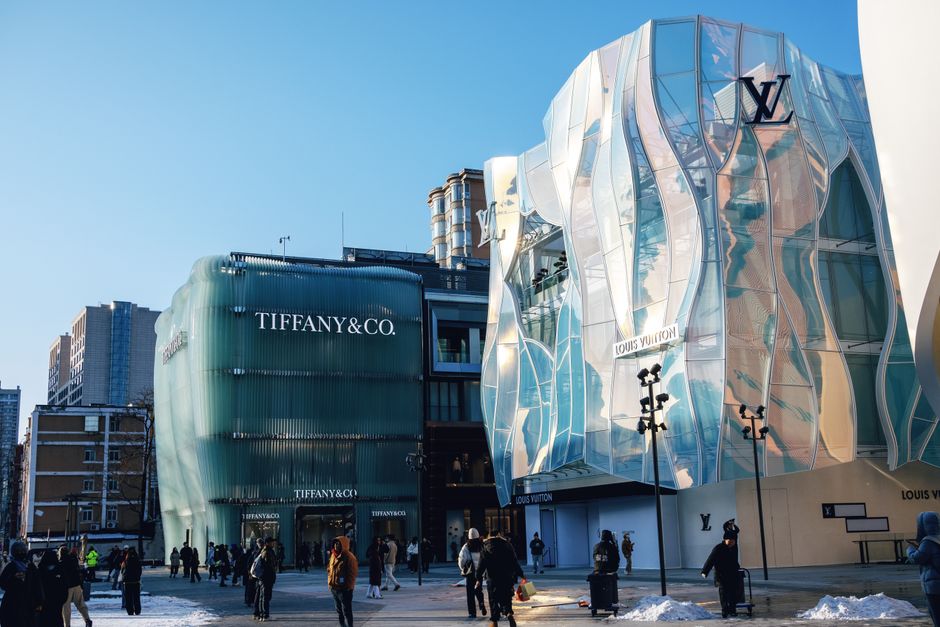
In recent years, the fashion industry has experienced a significant transformation, particularly with the rise of luxury brand resellers. This emerging market not only caters to the growing demand for high-end products but also offers consumers an opportunity to access coveted items that may have been previously out of reach. As the landscape of retail continues to evolve, understanding the dynamics of luxury brand reselling becomes essential for both buyers and sellers.
Understanding the Luxury Resale Market
The luxury resale market has witnessed tremendous growth, fueled by changing consumer behaviors and attitudes towards sustainability. According to a report by Bain & Company, the global luxury resale market is projected to reach $36 billion by 2021, showing a significant increase from previous years. This growth can be attributed to a variety of factors, including the rise of online shopping, increased awareness of sustainable fashion, and the desire for exclusivity.
Luxury brand resellers provide a platform where consumers can buy and sell pre-owned items, allowing them to access high-quality products at a fraction of the original price. This shift in consumer behavior not only benefits buyers but also creates a new revenue stream for individuals looking to sell their luxury items. As people become more environmentally conscious, the appeal of purchasing second-hand luxury goods continues to rise.
The Role of Technology in Luxury Reselling
Technology plays a crucial role in the luxury resale market, making it easier for consumers to buy and sell items online. Many luxury brand resellers now operate through user-friendly platforms that allow sellers to list their items with ease. These platforms often include features such as authentication services, enabling buyers to shop with confidence, knowing that they are purchasing genuine products.
Moreover, social media has become a powerful tool for luxury brand resellers. Platforms like Instagram and Facebook allow sellers to showcase their items to a broader audience, increasing visibility and potential sales. As a result, many resellers have built communities around their brands, fostering a sense of trust and loyalty among consumers.
Challenges Faced by Luxury Brand Resellers
Despite the promising growth of the luxury resale market, resellers face several challenges. One of the most significant issues is the authenticity of luxury items. With counterfeit products becoming increasingly sophisticated, buyers must be vigilant when purchasing pre-owned goods. To combat this, many reputable resellers have implemented stringent authentication processes to verify the legitimacy of the items they sell.
Additionally, the competition in the luxury resale market is fierce. Numerous platforms and individual sellers are vying for consumers’ attention, making it essential for resellers to differentiate themselves. Offering exceptional customer service, providing detailed product descriptions, and creating an engaging online presence can help resellers stand out in this crowded market.
Future Trends in Luxury Reselling
The future of luxury brand reselling looks bright, with several trends expected to shape the industry in the coming years. One notable trend is the increasing focus on sustainability. As consumers become more eco-conscious, the demand for pre-owned luxury items will likely continue to rise. Resellers who prioritize sustainable practices, such as eco-friendly packaging and responsible sourcing, will be well-positioned to attract environmentally aware customers.
Furthermore, the integration of technology will continue to enhance the luxury resale experience. Innovations such as augmented reality (AR) and virtual reality (VR) may soon allow consumers to try on items virtually, bridging the gap between online and in-store shopping experiences. As technology continues to evolve, luxury brand resellers must stay adaptable to meet the changing needs of their customers.
Conclusion
The luxury brand reseller market represents a significant shift in how consumers approach high-end fashion. With the rise of online platforms and increased awareness of sustainability, luxury reselling is more than just a trend; it is a reflection of a changing consumer landscape. As this market continues to grow, both buyers and sellers must navigate its complexities to fully capitalize on the opportunities it presents. For those interested in becoming a luxury brand reseller, understanding the market dynamics and leveraging technology will be key to success. By doing so, they can not only contribute to a more sustainable fashion industry but also tap into the lucrative potential that this sector offers. If you are looking to explore the world of luxury brand reselling, consider visiting a reputable luxury brand reseller to get started on your journey.