
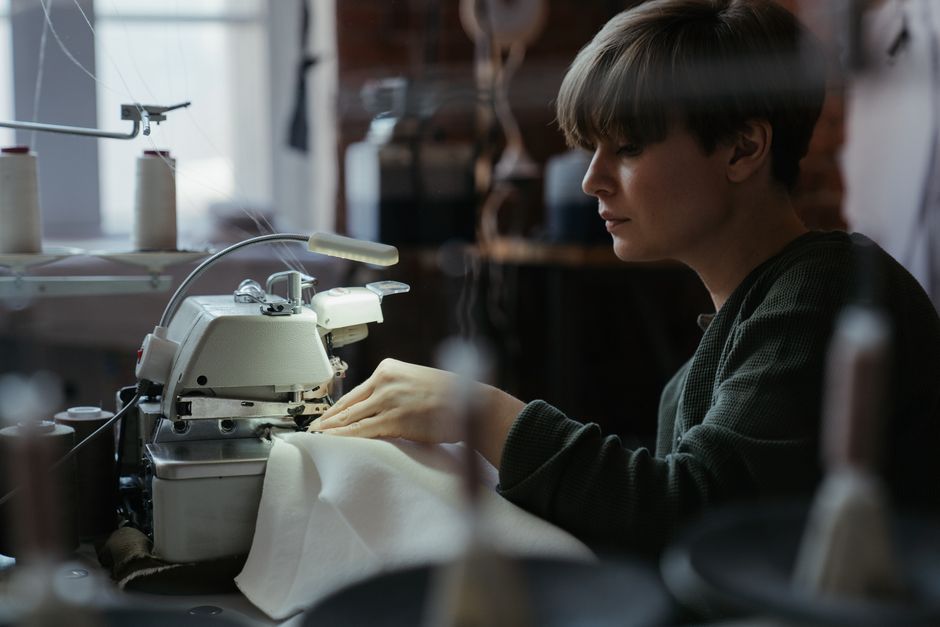
In recent years, the fashion industry has undergone a significant transformation, largely fueled by consumer demand for personalized products. Custom clothing manufacturing has emerged as a vital sector, allowing individuals and businesses to create unique apparel that reflects their style and needs. This shift not only enhances consumer satisfaction but also empowers local artisans and manufacturers.
Understanding Custom Clothing Manufacturing
Custom clothing manufacturing refers to the process of producing garments tailored to specific requirements. Unlike mass-produced clothing, which often lacks individuality, custom clothing offers a unique fit, design, and fabric selection, making it an attractive option for many consumers. This sector has gained traction due to advancements in technology, such as digital printing and on-demand production, which streamline the manufacturing process.
One of the primary advantages of custom clothing is the ability to cater to diverse body types and preferences. This approach not only meets the needs of niche markets but also promotes inclusivity in fashion. As a result, more brands are investing in custom manufacturing solutions to differentiate themselves in a competitive market.
The Role of Technology in Custom Clothing
Technology plays a pivotal role in the evolution of custom clothing manufacturing. Innovations such as 3D body scanning, computer-aided design (CAD), and automated cutting systems are transforming how garments are created. These technologies enable manufacturers to produce clothing that fits perfectly, reducing the need for alterations.
Moreover, e-commerce platforms have made it easier for consumers to access custom clothing options. Many online retailers now offer tools that allow customers to design their garments by choosing styles, fabrics, and sizes. This level of personalization not only enhances the shopping experience but also drives sales for brands that embrace these technologies.
Environmental Impact and Sustainability
As consumers become more environmentally conscious, the importance of sustainable practices in custom clothing manufacturing cannot be overstated. Many brands are now focusing on eco-friendly materials and ethical production methods. By producing clothing on demand, manufacturers can significantly reduce waste associated with overproduction.
Furthermore, local production often means shorter shipping distances, which can lower carbon footprints. Brands that prioritize sustainability are not only appealing to eco-conscious consumers but also positioning themselves as leaders in the industry. For instance, companies that work with a reliable custom clothing manufacturer can implement sustainable practices more effectively by utilizing local resources.
Case Studies: Successful Custom Clothing Brands
Several brands have successfully leveraged custom clothing manufacturing to carve out their niche in the market. For example, companies like Indochino and Stitch Fix have gained popularity by offering tailored clothing solutions that cater to individual preferences. Indochino specializes in custom suits, providing customers with a wide range of fabric options and design features, while Stitch Fix uses a data-driven approach to recommend personalized outfits.
These brands exemplify how custom clothing can meet the diverse needs of modern consumers while also addressing the challenges of sustainability and inclusivity. Their success stories highlight the growing importance of customization in the fashion landscape.
Future Trends in Custom Clothing Manufacturing
Looking ahead, the future of custom clothing manufacturing appears bright. As consumer demand for personalized fashion continues to rise, we can expect to see further advancements in technology and production processes. Artificial intelligence and machine learning are poised to play significant roles in enhancing the customization experience, from predicting trends to optimizing manufacturing efficiency.
Moreover, the integration of augmented reality (AR) into the shopping experience could revolutionize how consumers interact with custom clothing. Imagine being able to virtually try on garments before making a purchase, ensuring a perfect fit and style. This technological innovation could further bridge the gap between online and offline shopping experiences.
Conclusion
Custom clothing manufacturing is reshaping the fashion industry, offering a unique solution to the challenges of mass production. With the rise of technology and a growing emphasis on sustainability, this sector is poised for continued growth. As consumers seek more personalized and responsible fashion choices, custom clothing will remain at the forefront of the industry. Brands that adapt to these trends and prioritize collaboration with skilled manufacturers will undoubtedly thrive in this evolving landscape.