In today’s manufacturing landscape, metal fabrication shops play a critical role in producing components and structures for a wide range of industries. These specialized facilities not only transform raw materials into usable products, but they also offer valuable services such as design, welding, and assembly. Understanding the various aspects of metal fabrication can help businesses make informed decisions when selecting a partner for their projects.
What is a Metal Fabrication Shop?
A metal fabrication shop is a facility that specializes in creating metal components through various processes such as cutting, bending, welding, and assembling. These shops utilize advanced machinery and skilled labor to produce everything from simple brackets to complex assemblies used in construction, automotive, aerospace, and more.
Typically, a metal fabrication shop will have a range of equipment, including laser cutters, CNC machines, and welding stations. This equipment allows for precision and efficiency, enabling shops to meet the demands of their clients while maintaining high-quality standards.
In addition to machinery, a successful metal fabrication shop must also have a skilled workforce. Fabricators, welders, and engineers work together to ensure that every project is completed to specification and on time.
Services Offered by Metal Fabrication Shops
Metal fabrication shops offer a variety of services tailored to meet the needs of different industries. Some of the most common services include:
- Custom Metal Fabrication: Many clients require unique components that aren’t available off the shelf. Custom fabrication allows for the creation of tailored solutions that meet specific requirements.
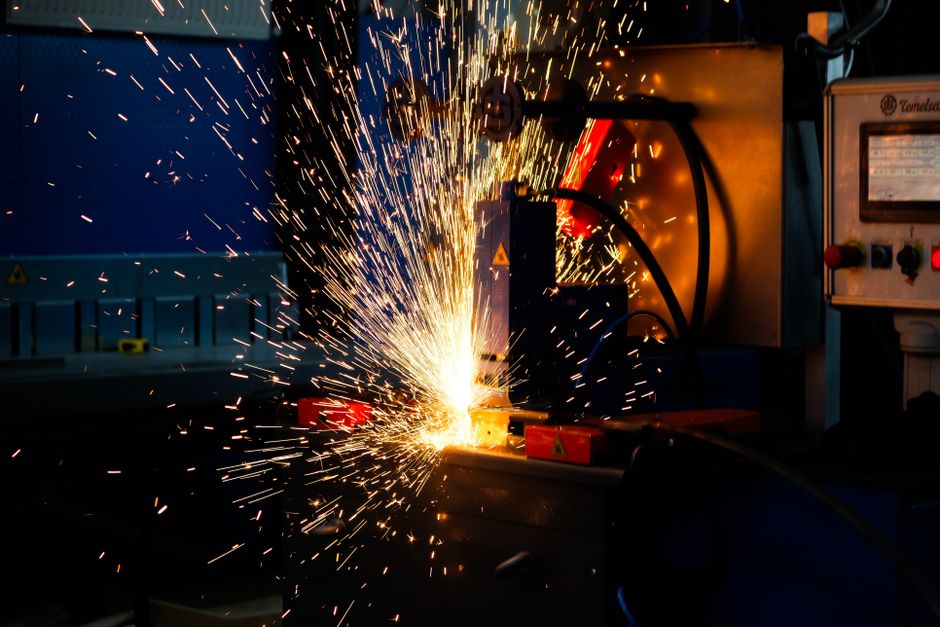
- Welding Services: Welding is a critical aspect of metal fabrication. Shops typically offer various welding methods, including MIG, TIG, and spot welding, to join metal pieces securely.
- Assembly Services: Some projects require more than just fabrication. Metal fabrication shops often provide assembly services to construct complete products from individual components.
These services are essential for many industries, ensuring that businesses can rely on their fabrication partners for comprehensive project support.
Choosing the Right Metal Fabrication Shop
When selecting a metal fabrication shop for your project, it is crucial to consider several factors. First and foremost, assess the shop’s experience and expertise in your specific industry. A shop that has worked with similar projects will understand your unique challenges and requirements.
Another important consideration is the quality of the shop’s work. Request samples of previous projects and customer testimonials to gauge their capabilities. It’s also beneficial to inquire about quality control measures, as these can impact the final product’s performance and durability.
Lastly, consider the shop’s production capacity and lead times. A reliable metal fabrication shop should be able to accommodate your timeline while maintaining quality standards. Clear communication about deadlines and expectations is vital for a successful partnership.
The Future of Metal Fabrication
The metal fabrication industry is evolving rapidly, driven by advancements in technology and changing market demands. Automation and robotics are becoming increasingly prevalent in fabrication shops, allowing for greater precision and efficiency. These technologies can reduce labor costs and increase production speed, making it easier for shops to meet the growing demands of their clients.
Moreover, the trend towards sustainability is influencing the practices of metal fabrication shops. Many are adopting eco-friendly practices, such as recycling scrap metal and minimizing waste during the fabrication process. This not only benefits the environment but also appeals to customers who prioritize sustainability in their purchasing decisions.
As the industry continues to evolve, metal fabrication shops that embrace innovation and sustainability will likely thrive in the competitive landscape.
Conclusion
Metal fabrication shops are essential players in the manufacturing process, providing the expertise and services needed to turn raw materials into finished products. By understanding the various aspects of these shops—ranging from their services to the factors influencing their selection—businesses can make informed decisions that support their operational needs. As the industry moves forward, staying abreast of technological advancements and sustainability trends will be crucial for both fabricators and their clients. For those looking for a reliable metal fabrication shop, research and due diligence are key to ensuring a successful partnership.