
Cardiopulmonary Resuscitation (CPR) is a lifesaving technique that is crucial in emergencies where someone’s breathing or heartbeat has stopped. Knowing how to perform CPR can make the difference between life and death, but many people remain unaware of its importance and proper techniques. This guide aims to provide you with comprehensive insights into CPR, its significance, and how to effectively administer it in a critical situation.
Understanding CPR: The Basics
CPR is a combination of chest compressions and rescue breaths that helps maintain blood flow and oxygenation to vital organs during cardiac arrest. The technique is designed to buy time for emergency medical services to arrive and take over. According to the American Heart Association, effective CPR can double or triple a victim’s chance of survival after cardiac arrest.
There are two main components of CPR: chest compressions, which help pump blood through the heart, and rescue breaths, which provide oxygen to the lungs. When performed correctly, CPR can keep a person alive until professional help arrives.
Additionally, it is important to recognize the signs of cardiac arrest, which include sudden collapse, lack of responsiveness, and absence of breathing. Understanding these signs ensures that CPR is administered promptly and effectively.
Steps to Perform CPR
Performing CPR involves a series of steps that anyone can learn. Here’s a simplified outline of the process:
- Check for Responsiveness: Tap the person and shout to see if they respond.
- Call for Help: If there is no response, call emergency services immediately.
- Open the Airway: Tilt the head back slightly to open the airway.
- Check for Breathing: Listen for breathing sounds for no more than 10 seconds.
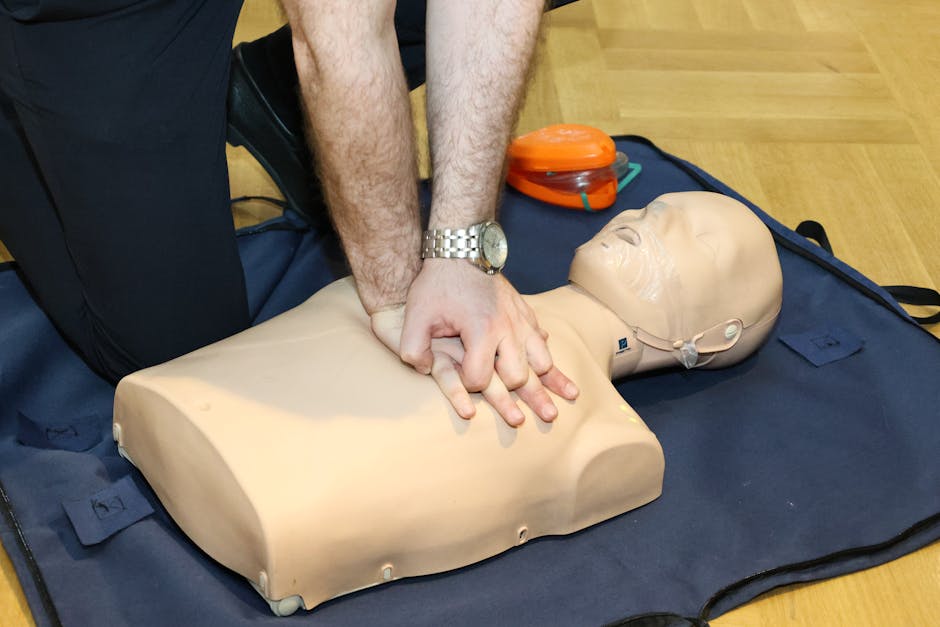
- Start Chest Compressions: Place your hands in the center of the chest and push hard and fast (at least 100 compressions per minute).
For adults, the ratio of compressions to rescue breaths is typically 30:2. However, for untrained individuals, hands-only CPR is recommended, focusing solely on chest compressions.
Importance of CPR Training
While knowing how to perform CPR is critical, proper training is equally important. Many organizations offer CPR courses that teach individuals the correct techniques and procedures. For instance, in Stockholm, you can enroll in a HLR kurs Stockholm to gain hands-on experience and confidence in performing CPR.
Training programs cover various scenarios, including adult, child, and infant CPR, as well as the use of an Automated External Defibrillator (AED). Being trained not only equips you with the necessary skills but also increases the likelihood of acting decisively in an emergency.
Statistically, a person who receives CPR from a bystander is more likely to survive than one who does not. Therefore, widespread CPR training can significantly improve survival rates in cases of cardiac arrest.
Common Myths About CPR
Despite its importance, several myths about CPR persist. One common misconception is that performing CPR can cause harm to the victim. While there is a risk of injury, the benefits of performing CPR far outweigh the potential risks, especially when the alternative is death.
Another myth is that rescue breaths are necessary for all situations. In many cases, especially when a bystander is untrained, hands-only CPR is sufficient and recommended. Understanding these myths can encourage more people to learn CPR without fear of making mistakes.
Lastly, some believe that only medical professionals should perform CPR. In fact, bystanders equipped with the basic knowledge of CPR can save lives before help arrives.
Conclusion: Be Prepared to Save a Life
Cardiopulmonary Resuscitation is a vital skill that everyone should learn. It is not only a valuable life-saving technique but also an empowering tool that can make a significant difference in emergency situations. By understanding the basics of CPR, knowing the steps to perform it, and dispelling common myths, you can prepare yourself to act in critical moments.
Investing time in CPR training can help you become a confident responder, ready to assist when needed. Remember, in a cardiac emergency, every second counts, and your knowledge and actions can save a life.