
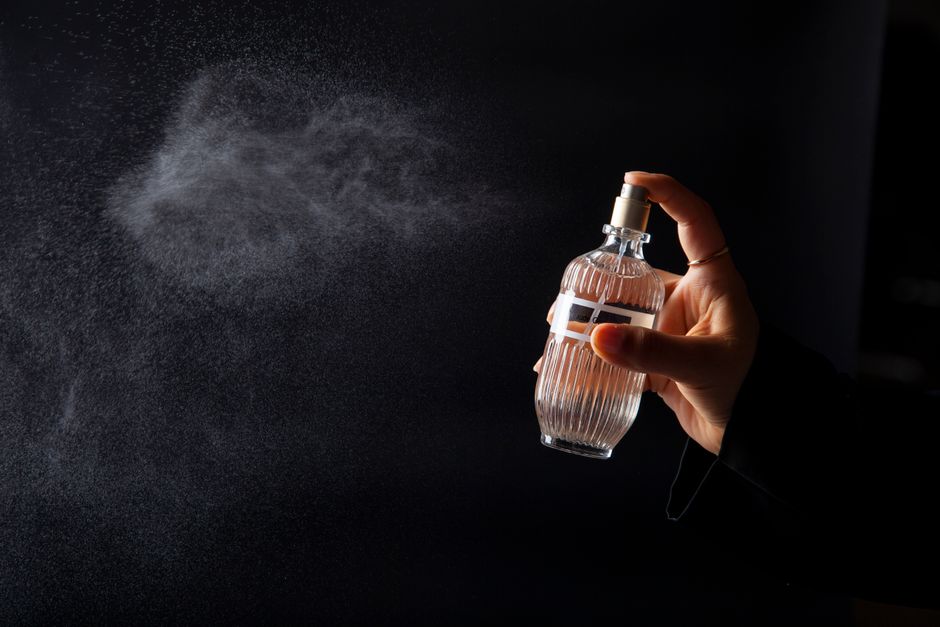
Perfume has long been an essential part of human culture, transcending mere scent to become an expression of identity, mood, and even memory. Since ancient times, various civilizations have used aromatic substances to enhance their lives, whether for personal enjoyment or spiritual rituals. Today, the perfume industry is a multi-billion dollar market that combines artistry and science, creating complex compositions that evoke emotions and tell stories.
The History of Perfume
The history of perfume dates back thousands of years, with evidence of its use found in ancient Egypt, Mesopotamia, and the Indus Valley. Egyptians used perfumes in religious ceremonies and for personal adornment, often associated with their deities. Ingredients like myrrh and frankincense were highly valued and traded across continents.
During the Renaissance, the art of perfumery flourished in Europe, particularly in France, where the first modern perfume houses were established. This period saw the emergence of renowned perfumers who began to treat fragrance creation as a fine art. Today, brands like Maison Francis Kurkdjian (MFK) continue this tradition, combining historical techniques with contemporary innovation.
The Anatomy of a Fragrance
Understanding perfume involves diving deep into its structure. A typical fragrance is composed of three layers: top notes, middle notes, and base notes. Top notes are the initial scents that are perceived and typically consist of lighter, more volatile compounds. They create the first impression of the fragrance but evaporate quickly.
Middle notes, also known as heart notes, emerge once the top notes fade. These scents form the core of the fragrance and last longer than the top notes. Finally, base notes provide depth and richness, lingering on the skin long after the other notes have dissipated. The balance and harmony between these notes are what make a perfume unique and memorable.
The Science Behind Scent
While perfumery is often viewed as an art form, it also relies heavily on science. The chemistry of fragrance involves the study of how different molecules interact and how they can be combined to create specific scents. Perfumers must have a keen understanding of olfactory science, as different compounds can evoke various emotional responses.
Additionally, the skin’s chemistry plays a crucial role in how a fragrance develops. Factors such as pH balance, skin type, and even diet can alter how a perfume smells on an individual. This variability is why it is recommended to test a fragrance on your skin before purchasing it to see how it evolves over time.
Current Trends in the Perfume Industry
The perfume industry is continually evolving, reflecting changes in consumer preferences and societal trends. Sustainability has become a significant focus, with many brands seeking to create eco-friendly products and packaging. Natural ingredients are increasingly being favored over synthetic ones, as consumers become more conscious of their impact on the environment.
Moreover, the rise of niche perfumeries has allowed for greater creativity and individuality in fragrance creation. These smaller brands often experiment with unconventional ingredients and concepts, appealing to consumers looking for unique scents that stand out in a crowded market.
Choosing the Right Perfume
Selecting a perfume can be a daunting task given the vast array of options available. When choosing a fragrance, consider factors such as occasion, season, and personal style. For daytime wear, lighter, fresher scents may be more suitable, while richer, warmer fragrances can be perfect for evening events.
It’s also important to sample fragrances before committing to a purchase. Visiting a perfume store where you can test different scents allows you to experience how they react with your skin’s chemistry. Remember that a fragrance may smell different in the bottle than it does on your skin, so take your time in finding the perfect match.
Conclusion
The world of perfume is a fascinating blend of art, science, and personal expression. As we explore the intricate history, composition, and trends of fragrances, it becomes clear that perfume is much more than a pleasant scent. It is a powerful tool that can evoke memories, influence moods, and define personal identity. Whether you are a fragrance aficionado or a casual wearer, understanding the nuances of perfume can enhance your appreciation for this timeless art form.