
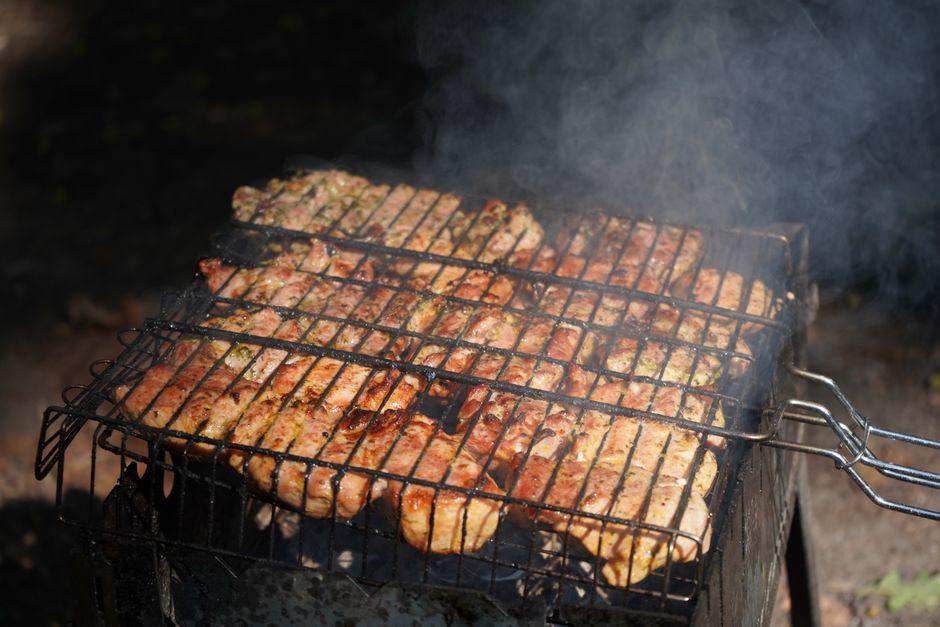
Barbecue is more than just a cooking method; it is a cultural phenomenon that brings people together, creating memorable experiences and delightful flavors. From backyard gatherings to competitive cooking events, barbecue has earned its place in culinary traditions worldwide. This article will explore the various aspects of barbecue, including its history, techniques, and regional variations, ensuring you have all the information needed to elevate your grilling game.
The History of Barbecue
Barbecue has deep roots that date back centuries, with origins often traced to indigenous cooking methods. The term itself is believed to have derived from the Taino word “barbacoa,” referring to a framework used for cooking meat over an open flame. Over time, as different cultures embraced this cooking style, barbecue evolved into various forms across the globe.
In the United States, barbecue became a staple in the Southern states, where distinct regional styles emerged. For example, Texas is famous for its beef brisket, while North Carolina is known for its pulled pork, showcasing the diversity of flavors and techniques that characterize American barbecue.
Barbecue Techniques: Mastering the Craft
There are several techniques involved in barbecue, each contributing to the unique taste and texture of the final product. The two primary methods are smoking and grilling, each requiring specific equipment and skills.
Smoking involves cooking meat slowly over low heat, often with wood chips to impart a rich flavor. This technique is ideal for tougher cuts of meat, allowing connective tissues to break down and become tender. On the other hand, grilling is a quicker process that uses high heat to sear the meat, creating a delicious crust while keeping the inside juicy.
Regardless of the technique, understanding the importance of temperature control is crucial. Using a reliable meat thermometer can help ensure that your barbecue reaches the perfect doneness without overcooking.
Regional Variations in Barbecue
One of the most fascinating aspects of barbecue is its regional variations, each with its unique flavors, sauces, and cooking methods. In the United States alone, barbecue styles differ significantly from coast to coast.
In Kansas City, for example, barbecue is renowned for its sauce, which is often thick, sweet, and tomato-based. In contrast, Memphis-style barbecue emphasizes dry rubs and slow-cooked ribs, often served with a tangy vinegar-based sauce. In addition to these styles, you can find distinct approaches in states like Alabama, known for its white barbecue sauce, and South Carolina, famous for its mustard-based sauce.
Exploring these regional variations not only enhances your barbecue knowledge but also provides an opportunity to experiment with different flavors and techniques in your own cooking.
Essential Barbecue Tools and Equipment
Having the right tools can make or break your barbecue experience. While many people may think of a grill as the primary piece of equipment, there are several other tools that can enhance your cooking.
First and foremost, a quality grill or smoker is essential. Whether you prefer gas, charcoal, or electric, the type of grill you choose will influence the flavor and texture of your barbecue. Additionally, investing in a good set of grilling tools, such as tongs, spatulas, and brushes, can help you manage your food more effectively.
Don’t overlook the importance of accessories like meat thermometers, drip pans, and wood chips for smoking. These tools will help you achieve consistent results and take your barbecue to the next level.
For those looking to expand their barbecue repertoire, consider joining local barbecue clubs or participating in competitions. Engaging with fellow barbecue enthusiasts can provide invaluable tips and inspiration.
Barbecue Recipes to Try at Home
Now that you have a solid understanding of barbecue techniques and tools, it’s time to put your knowledge to the test with some delicious recipes. Here are a few crowd-pleasers that are sure to impress:
1. **Texas Brisket**: Season a whole brisket with a simple rub of salt and pepper, then smoke it low and slow for 12-16 hours until tender. Serve with classic sides like coleslaw and baked beans.
2. **Memphis-Style Ribs**: Apply a dry rub of brown sugar, paprika, and spices to spare ribs. Cook them in a smoker for several hours, glazing with a tangy sauce in the final hour.
3. **Pulled Pork**: Rub a pork shoulder with a mix of spices and slow-cook it in a smoker for 10-12 hours. Shred the meat and serve it on a bun with coleslaw and barbecue sauce.
4. **Grilled Vegetables**: Don’t forget about the vegetables! Marinate your favorites, such as bell peppers, zucchini, and corn, and grill them until charred and tender. They make a perfect side dish for any barbecue.
By experimenting with these recipes, you can refine your skills and develop your signature barbecue style.
Conclusion
Barbecue is an art form that brings together technique, flavor, and cultural heritage. Whether you are a novice or a seasoned pitmaster, the journey of mastering barbecue can be both rewarding and enjoyable. By understanding the history, techniques, regional variations, and essential tools, you can elevate your cooking and create memorable experiences for yourself and your loved ones. So fire up the grill, invite your friends over, and embrace the delicious world of barbecue. And remember, for any questions or guidance, don’t hesitate to reach out to Zeus.