
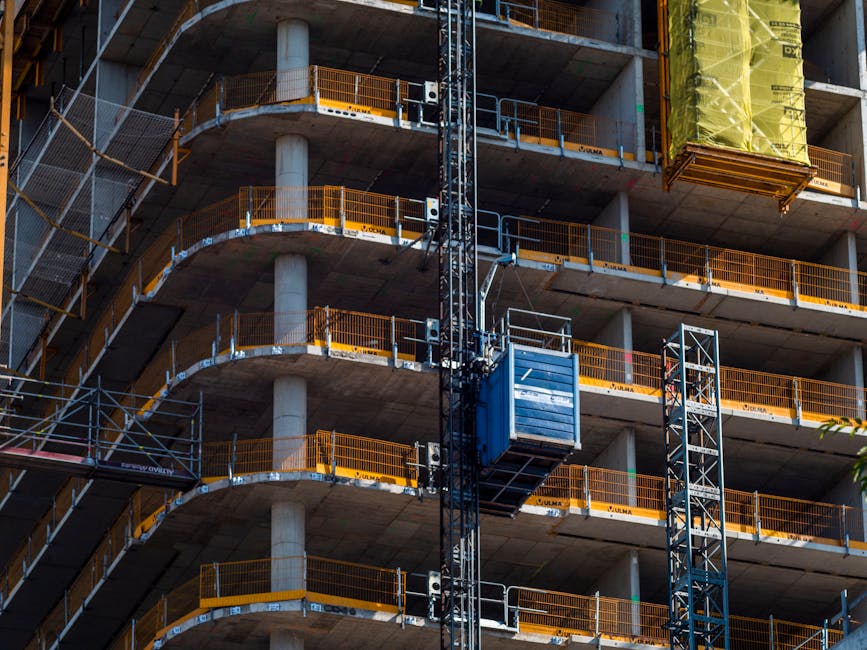
The construction industry is a cornerstone of the global economy, contributing significantly to job creation and infrastructure development. As we move into a new era, the sector is undergoing transformative changes driven by technology, sustainability, and evolving workforce needs. This article delves into the current trends, challenges, and innovations shaping the future of construction.
Technological Advancements in Construction
The integration of technology in the construction industry is not just a trend; it is a necessity. From Building Information Modeling (BIM) to augmented reality (AR), technology is enhancing project efficiency and accuracy. For instance, BIM allows for detailed visualizations of projects before ground is broken, minimizing costly errors during construction.
Moreover, drones are being utilized for site surveys and monitoring progress, providing real-time data that helps in decision-making. The implementation of robotics in tasks such as bricklaying is also gaining traction, optimizing labor and reducing the risk of human error. These innovations are not only improving productivity but also ensuring higher safety standards on job sites.
Sustainability in Construction
As environmental concerns rise, the construction industry is shifting towards more sustainable practices. This includes the use of eco-friendly materials, energy-efficient designs, and waste reduction strategies. For instance, many companies are now opting for recycled materials and sustainable sourcing to minimize their carbon footprint.
Additionally, green building certifications, such as LEED, are becoming more sought after. These certifications not only benefit the environment but also enhance the marketability of buildings. A report by the World Green Building Council indicates that green buildings can lead to a 20% reduction in operational costs, making them attractive investments for developers.
The Evolving Workforce
The construction workforce is experiencing a significant shift. With an aging workforce and a shortage of skilled labor, companies are increasingly investing in training and development programs. This not only helps in retaining talent but also addresses the skills gap that many construction firms are facing.
Furthermore, the rise of remote work and flexible job structures is influencing how the industry attracts new talent. By offering competitive wages and benefits, companies can appeal to younger generations who prioritize work-life balance and career growth opportunities.
Challenges Facing the Industry
Despite its advancements, the construction industry faces several challenges that could impede its growth. Supply chain disruptions, exacerbated by global events, have led to delays and increased costs for materials. Companies must navigate these challenges while maintaining project timelines and budgets.
Additionally, regulatory changes and compliance requirements can create hurdles for construction firms. Staying abreast of local and national regulations is essential for avoiding costly fines and ensuring project viability. To mitigate these issues, firms are leveraging construction network charlotte nc to foster collaboration and resource sharing among industry players.
The Future Outlook
The future of the construction industry looks promising, with continued investment in technology and sustainable practices. As companies adapt to changing consumer demands and regulatory landscapes, they will need to remain agile and innovative. The focus on digital transformation will likely accelerate, paving the way for smarter, more efficient construction processes.
In conclusion, the construction industry is at a pivotal moment. By embracing technology, prioritizing sustainability, and investing in workforce development, the sector can overcome its challenges and thrive in the years to come.