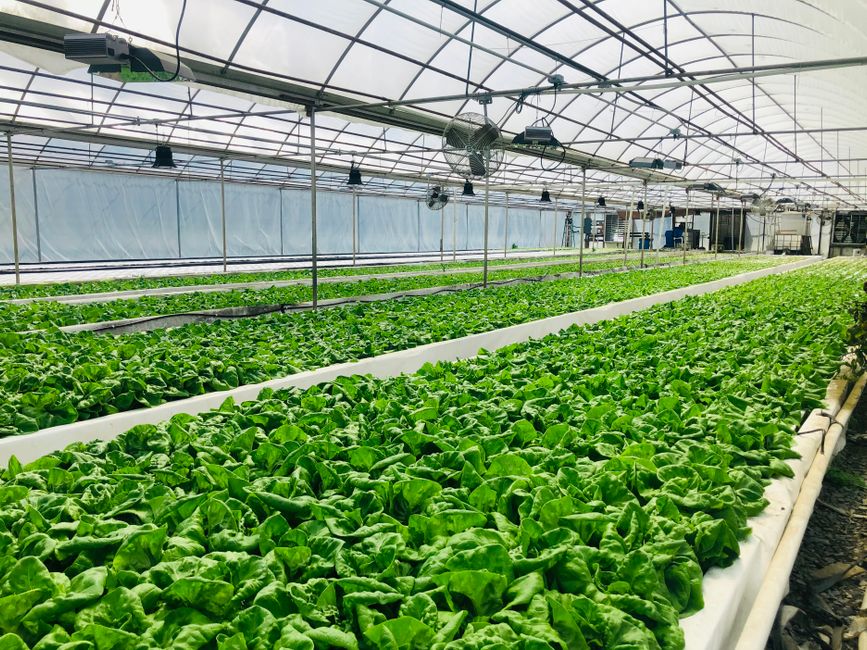
The world is facing an unprecedented challenge when it comes to food production. With the global population expected to reach 9.7 billion by 2050, traditional farming methods are proving inadequate to meet the growing demand for food. One innovative solution that has emerged in recent years is vertical farming technology. This modern approach to agriculture not only maximizes space but also offers a sustainable way to grow crops in urban environments.
Understanding Vertical Farming
Vertical farming refers to the practice of growing crops in stacked layers, often integrated into structures like skyscrapers or repurposed warehouses. This technique utilizes controlled-environment agriculture (CEA) technology to optimize plant growth. By controlling factors such as light, temperature, humidity, and nutrients, vertical farms can produce food year-round, regardless of external weather conditions.
According to a report by the Food and Agriculture Organization (FAO), vertical farms can yield significantly more produce per square foot than traditional farms. For instance, a single vertical farm can produce the equivalent of several acres of crops grown in the field. This efficiency is crucial as urban populations continue to rise, and arable land becomes scarcer.
The Technology Behind Vertical Farming
At the heart of vertical farming technology is a combination of advanced hydroponics, aeroponics, and aquaponics systems. Hydroponics allows plants to grow in nutrient-rich water without soil, while aeroponics takes this a step further by misting the plant roots with a nutrient solution. Aquaponics combines fish farming with plant cultivation, creating a symbiotic relationship where fish waste provides nutrients for plants.
Furthermore, advancements in LED lighting technology play a vital role in vertical farming. LEDs can be tailored to emit specific wavelengths of light that optimize photosynthesis, leading to faster growth rates and higher yields. For example, research indicates that certain light spectrums can increase lettuce growth by up to 50% compared to traditional lighting methods.
Advantages of Vertical Farming
Vertical farming offers several distinct advantages over conventional agriculture. Firstly, it significantly reduces the need for pesticides and herbicides, as the controlled environment minimizes pest infestations. Secondly, vertical farms use up to 90% less water than traditional farms due to closed-loop systems that recycle water efficiently.
Additionally, vertical farming can help combat food deserts in urban areas by providing fresh produce in locations where access to healthy food is limited. A study published in the journal *Nature Sustainability* found that urban vertical farms could contribute to local food security by reducing transportation costs and emissions associated with food distribution.
Challenges Facing Vertical Farming
Despite its numerous benefits, vertical farming technology is not without its challenges. The initial setup costs for vertical farms can be significantly higher than traditional agricultural methods. High energy consumption, particularly for lighting and climate control, can also pose sustainability concerns.
Moreover, there are ongoing debates about the scalability of vertical farms. While they are effective for certain crops, the production of staple grains like wheat and rice may not be feasible in urban settings. As such, vertical farming is often viewed as a complementary solution to traditional farming rather than a complete replacement.
The Future of Vertical Farming
The future of vertical farming looks promising, with numerous startups and established companies investing in this technology. According to a market research report, the vertical farming market is expected to reach $12 billion by 2026, growing at a compound annual growth rate (CAGR) of 24.8%.
Innovations such as artificial intelligence and machine learning are being integrated into vertical farms to optimize operations and improve crop yields. By utilizing data analytics, farmers can make informed decisions about planting schedules, nutrient management, and pest control.
As more cities recognize the potential of vertical farming, we can expect to see increased partnerships between local governments and agricultural technology companies. Such collaborations could lead to the development of urban policies that support sustainable food production and consumption.
Conclusion
Vertical farming technology represents a significant shift in how we approach food production. By harnessing the power of innovation, we can address pressing global challenges such as food insecurity and environmental sustainability. As this technology continues to evolve, it holds the potential to revolutionize the agricultural landscape, offering a glimpse into a future where food is grown closer to where it is consumed. For those interested in learning more, resources on vertical farming technology are widely available to explore this exciting field further.