
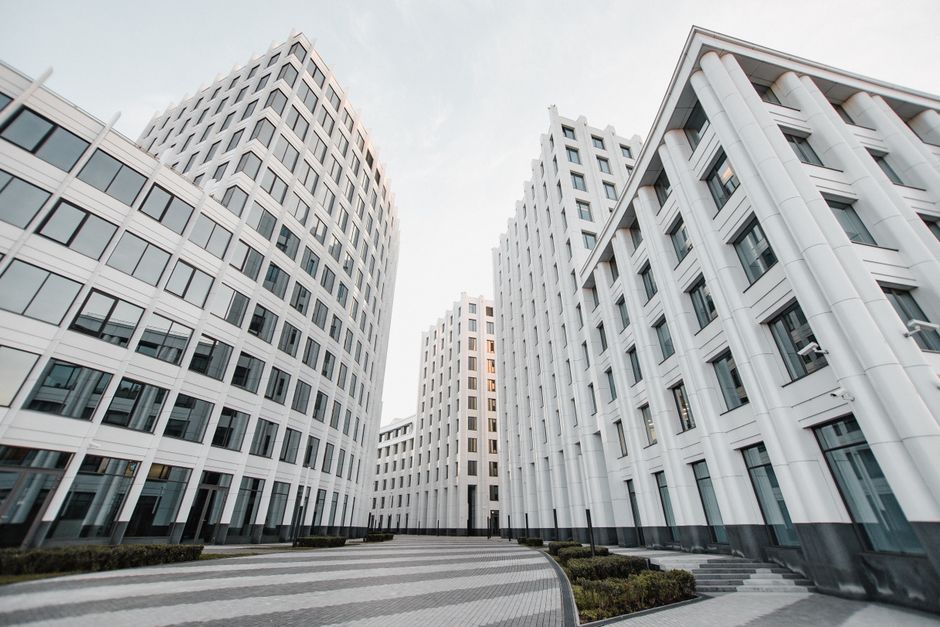
The commercial real estate market has seen significant fluctuations in recent years, influenced by various economic factors and evolving consumer behaviors. Understanding this sector is vital for investors, developers, and businesses alike. This article delves into the critical aspects of commercial real estate, providing insights into its trends, investment opportunities, and challenges.
Understanding Commercial Real Estate
Commercial real estate (CRE) encompasses properties used for business purposes, including office buildings, retail spaces, warehouses, and industrial sites. Unlike residential real estate, which focuses on homes and living spaces, CRE is primarily concerned with properties that generate income. The significance of this sector cannot be understated, as it plays a crucial role in the economy by providing spaces for businesses to operate and thrive.
As of 2023, the commercial real estate market is valued at over $16 trillion in the United States alone. This immense value highlights the sector’s importance, not just for investors but also for the overall economy. With the rise of e-commerce, the demand for logistics and warehouse spaces has surged, reshaping the landscape of commercial real estate significantly.
Current Trends in Commercial Real Estate
One of the most notable trends in the commercial real estate sector is the shift towards flexible workspaces. The pandemic has accelerated the adoption of hybrid work models, leading businesses to reconsider their office space needs. Many companies are downsizing or opting for co-working spaces to adapt to this new normal.
Additionally, sustainability has become a critical focus in CRE. Investors and tenants alike are increasingly prioritizing environmentally friendly buildings, leading to a rise in green certifications. Properties that meet these sustainability standards often command higher rents and attract more tenants.
Investment Opportunities in Commercial Real Estate
Investing in commercial real estate can be a lucrative venture, but it requires careful consideration and understanding of the market. One of the most effective strategies is to identify emerging markets. For instance, cities that are experiencing economic growth or infrastructure development often present excellent investment opportunities.
Another strategy is diversification. By investing in various types of commercial properties—such as retail, office, and industrial—investors can mitigate risks and enhance their portfolios. According to a recent study, diversified investments in CRE have outperformed non-diversified portfolios by approximately 20% over the last decade.
Moreover, technology is reshaping how investors approach commercial real estate. The use of big data and analytics allows for more informed decision-making, helping investors identify trends and opportunities that were previously difficult to discern.
Challenges in the Commercial Real Estate Sector
Despite the opportunities, the commercial real estate sector faces several challenges. Economic downturns can significantly impact property values and rental income, making it essential for investors to remain vigilant and adaptable. The recent interest rate hikes have also posed challenges, as higher borrowing costs can deter potential buyers and investors.
Furthermore, regulatory changes can affect the commercial real estate landscape. Zoning laws, tax incentives, and environmental regulations are just a few factors that can influence property values and investment strategies. Staying informed about these regulations is crucial for anyone involved in the sector.
The Future of Commercial Real Estate
Looking ahead, the future of commercial real estate appears to be intertwined with technology and sustainability. The rise of smart buildings, equipped with advanced technologies for energy efficiency and tenant comfort, is likely to shape the sector in the coming years.
Additionally, the demand for mixed-use developments is expected to grow. These properties, which combine residential, commercial, and recreational spaces, cater to the evolving needs of urban populations, offering a sustainable solution to urban living.
In conclusion, the commercial real estate market presents both challenges and opportunities. By understanding current trends, investing wisely, and staying informed about regulatory changes, stakeholders can navigate this dynamic landscape effectively. As the sector continues to evolve, keeping an eye on emerging technologies and sustainability practices will be essential for success.
For those interested in exploring available properties, you can check out various options in the commercial real estate market.