
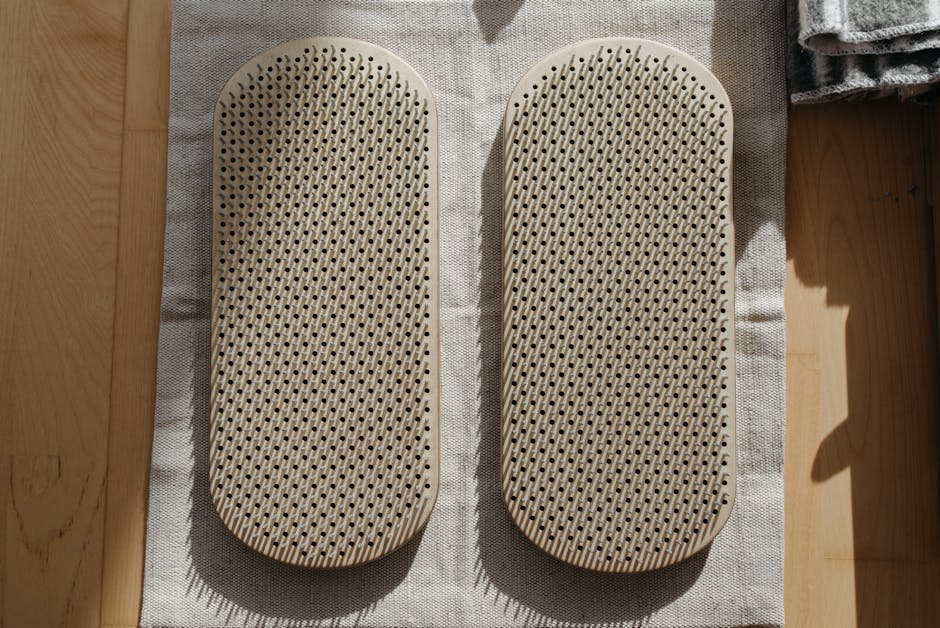
In recent years, the popularity of acupressure mats has surged, as more people seek natural ways to enhance their wellness. These mats, often adorned with small plastic spikes, are designed to stimulate pressure points on the body, similar to acupuncture without needles. This article delves into the benefits of acupressure mats, their usage, and why they have become a staple in many wellness routines.
Understanding Acupressure Mats
Acupressure mats, originally inspired by traditional acupuncture practices, offer an alternative method for those who prefer not to use needles. The design typically features thousands of small spikes that apply pressure to specific points on the body when you lie down on the mat. This can induce relaxation and promote overall well-being.
Many users report immediate feelings of relaxation and reduced muscle tension after just a few minutes of use. The mat can be an excellent addition to your relaxation routine, especially after a long day at work or an intense workout.
Moreover, acupressure mats are versatile. They can be used on various parts of the body, including the back, neck, and even feet. This flexibility makes them suitable for a wide range of individuals looking to relieve stress or discomfort.
Health Benefits of Acupressure Mats
Research suggests that the use of acupressure mats can lead to several health benefits. One of the most significant advantages is the reduction of stress and anxiety. The pressure from the spikes can help to release endorphins, the body’s natural painkillers and mood enhancers.
Another notable benefit is improved sleep quality. Users often find that regular use of the mat before bedtime helps them fall asleep faster and enhances the quality of their sleep. According to a study published in the Journal of Alternative and Complementary Medicine, individuals who used acupressure mats reported an increase in sleep duration and a decrease in insomnia symptoms.
In addition to mental health benefits, acupressure mats may help alleviate physical ailments. Many users claim to experience relief from chronic pain conditions, such as back pain or migraines, after consistent use. This makes them a popular choice for those seeking non-pharmaceutical pain management options.
How to Use an Acupressure Mat Effectively
To maximize the benefits of an acupressure mat, proper usage is key. Start by lying on the mat for about 10 to 20 minutes daily. Initially, it may feel uncomfortable, but most users adapt quickly and find it pleasurable over time.
It’s advisable to use the mat on a soft surface like a bed or a yoga mat. If you are new to acupressure, begin with shorter sessions and gradually increase the duration as your body becomes accustomed to the sensation.
For those looking to target specific areas, you can also place the mat against a wall and lean into it or use it while sitting. This allows for a more focused treatment of particular sore spots.
Choosing the Right Acupressure Mat
When selecting an acupressure mat, consider factors such as the density of the spikes, the material of the mat, and the size. Some mats feature additional components like pillows that enhance the experience by providing neck support.
It’s also important to look for mats that are easy to clean and durable. Given that they are often used regularly, investing in a high-quality mat from reputable brands is crucial for longevity.
For instance, one popular option is the Fakirmatte, known for its comfortable spikes and effective pressure application. Users often praise its design and the relief it provides.
Conclusion
Acupressure mats offer a unique and natural approach to improving wellness through pressure point stimulation. With numerous benefits ranging from stress relief to improved sleep quality, they have become an essential tool for many. By understanding how to use them effectively and choosing the right mat, individuals can enhance their overall well-being and incorporate a simple yet powerful practice into their daily routine.