
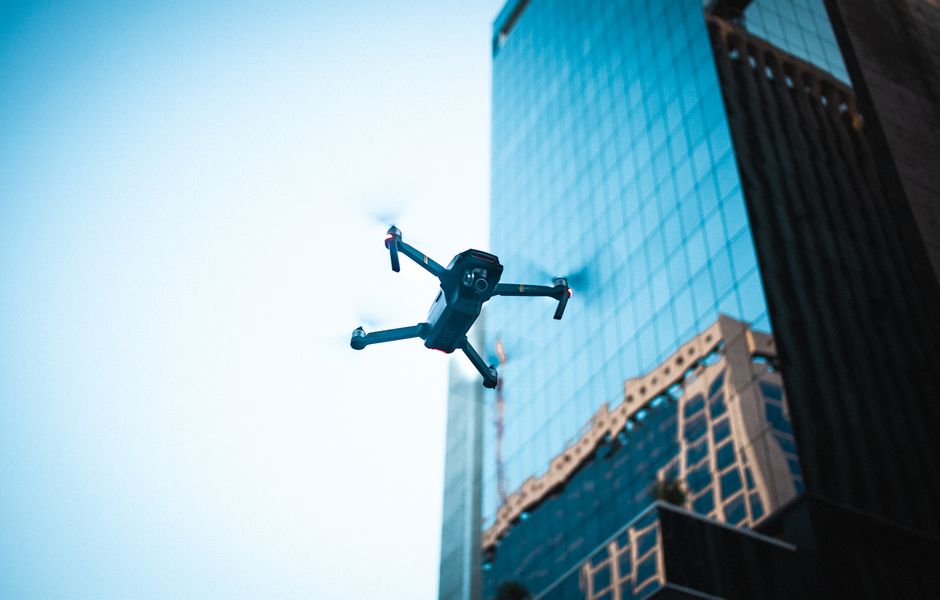
In recent years, aerial drone photography has transformed the way we capture images of our world. With advancements in technology, photographers and videographers can now easily obtain stunning aerial shots that were once only possible with expensive helicopter rides or planes. This article will explore the various aspects of aerial drone photography, including its applications, techniques, and the future of this dynamic field.
The Rise of Aerial Drone Photography
Aerial drone photography has gained immense popularity due to its accessibility and affordability. In the past, high-quality aerial shots were reserved for professionals with deep pockets. However, the introduction of consumer drones has democratized aerial photography, allowing hobbyists and professionals alike to capture breathtaking images from the sky.
Statistics show that the global drone market is projected to reach $42.8 billion by 2025, with aerial photography being one of the major driving forces behind this growth. As drones become more sophisticated, the quality of images and videos captured from above has reached new heights, making aerial photography an appealing option for various industries.
From real estate to tourism, aerial drone photography has found its place in numerous sectors, showcasing its versatility and effectiveness in visual storytelling.
Applications of Aerial Drone Photography
Aerial drone photography is not just about capturing stunning landscapes; it serves practical purposes across various industries. In real estate, for example, drone photography offers potential buyers a unique perspective of properties, highlighting features that can’t be easily captured from the ground. Listings featuring aerial images often attract more attention and can lead to quicker sales.
In agriculture, farmers utilize drones for crop monitoring and management. Aerial images can help identify problem areas in fields, such as pest infestations or irrigation issues, allowing for timely intervention. This application of aerial photography not only increases productivity but also promotes sustainable farming practices.
Moreover, in the realm of filmmaking and marketing, the use of aerial drone photography has become increasingly prevalent. Cinematographers can achieve dynamic shots that enhance storytelling and engage audiences in ways that traditional filming methods cannot.
Techniques for Successful Aerial Photography
To achieve stunning aerial photographs, understanding certain techniques is crucial. First and foremost, choosing the right drone is essential. Factors such as camera quality, flight time, and stability should be considered. High-quality drones are equipped with advanced cameras that allow for high-resolution images and smooth video recording.
Another important technique is mastering composition. Aerial photography benefits greatly from the principles of composition, such as the rule of thirds and leading lines. Photographers should also pay attention to lighting; the golden hour, shortly after sunrise or before sunset, often provides the best natural light for capturing vivid colors and enhancing depth.
Post-processing is another key aspect of aerial photography. Using software to edit images can significantly enhance the final product, allowing photographers to correct colors, adjust brightness, and even stitch together multiple images for panoramic views.
Legal and Ethical Considerations
As with any form of photography, aerial drone photography comes with its own set of legal and ethical considerations. In many countries, there are strict regulations governing the use of drones, including restrictions on where they can be flown and the need for permits in certain areas.
Photographers must also be mindful of privacy concerns. Capturing images of private property without permission can lead to legal issues. It is essential to respect the rights of individuals and communities when conducting aerial photography.
Staying informed about local laws and ethical practices is vital for anyone looking to venture into aerial drone photography, ensuring that the art form remains enjoyable and sustainable for all.
The Future of Aerial Drone Photography
The future of aerial drone photography looks promising, with technology continuing to evolve at a rapid pace. Innovations such as artificial intelligence (AI) and machine learning are set to enhance the capabilities of drones, enabling automatic image capturing and improved flight navigation.
Furthermore, the integration of drones with other technologies, such as augmented reality (AR), could lead to new creative possibilities, allowing photographers to overlay digital elements onto their aerial images.
As the demand for aerial drone photography continues to grow, professionals in this field will need to adapt and innovate, exploring new ways to captivate audiences and tell stories from above. For those interested in exploring this exciting realm, resources and communities are readily available, making it easier than ever to get started.
For those looking for expert services in this area, aerial drone photography can provide high-quality images that elevate any project.
Conclusion
Aerial drone photography has revolutionized the way we perceive our environment, offering a fresh perspective that highlights the beauty and intricacies of our world. As technology advances and the applications for aerial photography expand, it will undoubtedly continue to play a vital role in various industries. By embracing the art and science of aerial photography, photographers can unlock new creative potentials and bring their visions to life from above.