Replacing a roof is one of the most significant investments a homeowner can make. It not only enhances the aesthetic appeal of a home but also plays a crucial role in ensuring its structural integrity. However, the costs involved can vary widely based on several factors. In this article, we will explore the various elements that contribute to roof replacement costs, helping homeowners make informed decisions.
Factors Influencing Roof Replacement Costs
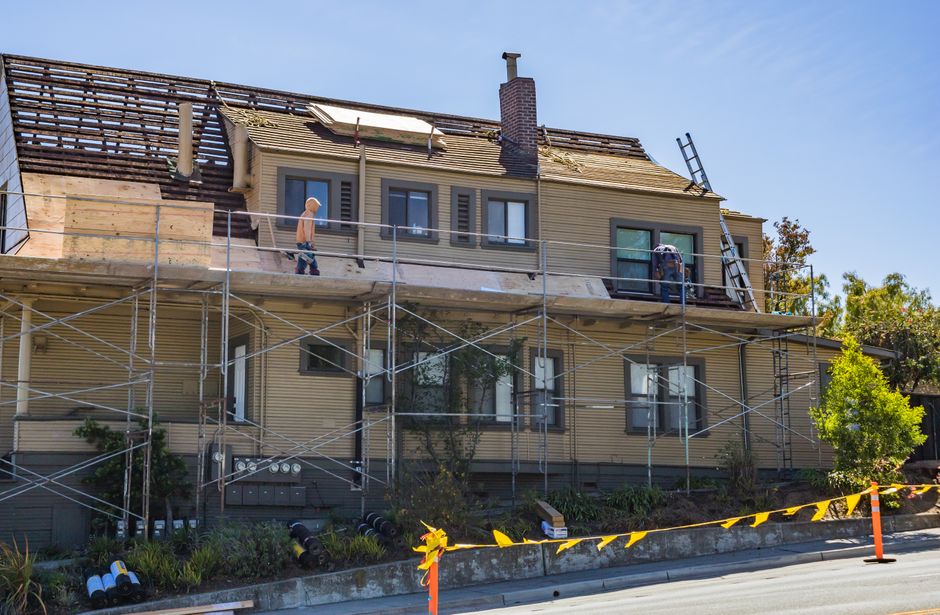
Several factors influence the overall cost of roof replacement. The type of roofing material, the size of the roof, the complexity of the design, and the location of the property are some of the primary considerations. For instance, asphalt shingles are generally less expensive than metal or tile roofs. Homeowners should also consider the pitch of the roof, as steeper roofs may require additional safety measures during installation, thus increasing labor costs.
Additionally, the geographical location can significantly impact the price. In areas with a high cost of living, labor and material costs tend to be higher. Local building codes and regulations can also affect the choice of materials and installation methods, leading to variations in pricing.
Estimating the Cost of Materials
The materials chosen for a roof replacement are one of the most significant cost components. Asphalt shingles typically range from $90 to $100 per square, while metal roofing can cost between $150 to $300 per square. Tile roofs, known for their durability and aesthetic appeal, can exceed $300 per square. Furthermore, homeowners should consider the longevity and warranty of the materials, as investing in higher-quality products can lead to savings in the long run.
Another aspect to consider is the underlayment and insulation materials. Proper ventilation and insulation not only improve energy efficiency but also extend the lifespan of the roofing materials. This additional cost should be factored into the overall budget.
Labor Costs Involved in Roof Replacement
Labor costs can vary significantly based on the complexity of the project and the contractor’s experience. On average, labor can account for 60% of the total roof replacement cost. Hiring a reputable contractor may come at a premium, but it ensures quality workmanship and compliance with local regulations. Homeowners should always request multiple quotes and check references before making a decision.
Additionally, consider the time of year when scheduling the replacement. Spring and summer are peak seasons for roofing, often resulting in higher labor costs due to demand. Conversely, scheduling during the off-season may lead to more competitive pricing.
Hidden Costs and Additional Expenses
When budgeting for roof replacement, homeowners should be aware of potential hidden costs that can arise during the project. For example, if the existing roof has multiple layers of shingles, the contractor may need to remove them, adding to the labor cost. Furthermore, any underlying damage to the roof deck or structure may require repairs, which can significantly increase the overall project cost.
Permitting fees and inspections are also additional expenses to consider. Depending on local regulations, homeowners may need to obtain permits before starting the project, which can add to the overall budget.
Conclusion: Making an Informed Decision
In conclusion, understanding the various factors that contribute to roof replacement costs is essential for homeowners looking to undertake this significant investment. From choosing the right materials and contractors to anticipating hidden costs, being well-informed can lead to better decisions and ultimately save money. For those interested in a detailed breakdown of roof replacement cost, many resources are available to help navigate this complex process and ensure a successful outcome.