As the global population continues to rise, the demand for sustainable and efficient food production methods becomes increasingly urgent. One innovative solution that is gaining traction is vertical farming technology, which allows for the cultivation of crops in stacked layers or vertically inclined surfaces. This method not only maximizes space but also minimizes the environmental impact of traditional farming practices. In this article, we will delve into the various aspects of vertical farming technology, its benefits, challenges, and future prospects.
Understanding Vertical Farming Technology
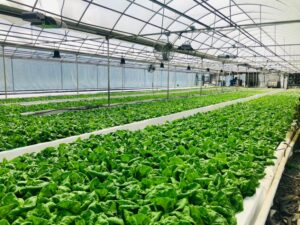
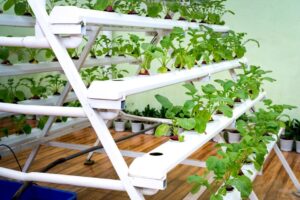
Vertical farming is a revolutionary approach to agriculture that utilizes controlled-environment agriculture (CEA) technology. By growing crops in a soil-less environment, such as hydroponics or aeroponics, vertical farms can produce food year-round, regardless of climate conditions. This method drastically reduces the need for pesticides and herbicides, leading to healthier crops and a lower ecological footprint.
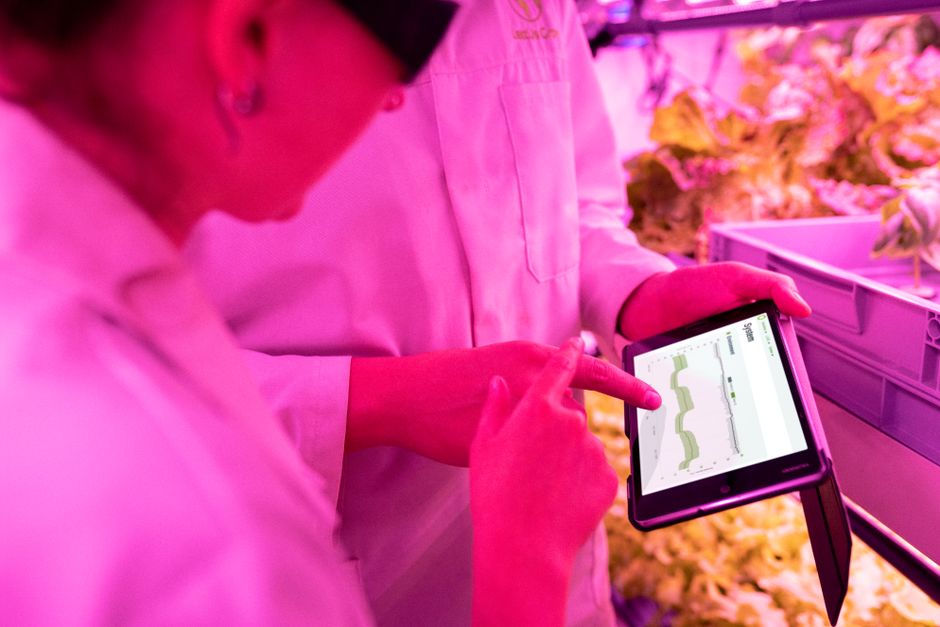
According to a report by the Food and Agriculture Organization (FAO), urban areas are expected to accommodate 68% of the world’s population by 2050. This surge in urbanization poses significant challenges for traditional agriculture, necessitating the development of innovative solutions like vertical farming. The integration of smart technologies, such as IoT sensors and AI, further enhances the efficiency of vertical farms, allowing for precise monitoring and management of resources.
Benefits of Vertical Farming
One of the most significant advantages of vertical farming technology is the efficient use of space. A single vertical farm can yield the same amount of produce as multiple acres of traditional farmland, making it particularly beneficial in urban areas where land is scarce. For instance, a study conducted by the University of Japan found that vertical farms could produce 10 times more food per square meter compared to conventional farming techniques.
Additionally, vertical farms can drastically reduce water usage. Traditional agriculture requires a substantial amount of water for irrigation, but vertical farming can use up to 90% less water by employing closed-loop systems that recycle water. This is a crucial factor in regions facing water scarcity, highlighting the importance of adopting vertical farming technology as a sustainable solution.
Challenges Facing Vertical Farming
Despite its numerous benefits, vertical farming technology does not come without its challenges. The initial setup costs for establishing a vertical farm can be significantly higher than those for traditional farming methods. This includes expenses related to infrastructure, technology, and energy requirements. As a result, many potential investors may hesitate to enter the market without a clear understanding of the long-term profitability.
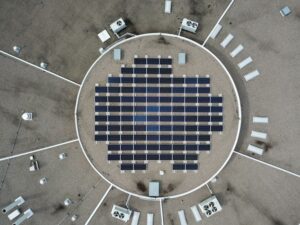
Moreover, the reliance on artificial lighting and climate control systems can lead to increased energy consumption. The environmental benefits of vertical farming can be undermined if these systems are powered by non-renewable energy sources. To mitigate this issue, many vertical farms are exploring renewable energy options, such as solar panels, to reduce their carbon footprint.
Case Studies: Successful Vertical Farms
Several vertical farms around the world have successfully demonstrated the potential of this technology. One prominent example is AeroFarms, located in Newark, New Jersey. This company has developed a patented growing system that uses aeroponics to cultivate leafy greens without soil. Their facility produces about 2 million pounds of leafy greens annually, while using 95% less water than traditional agriculture.
Another exemplary case is the Sky Greens farm in Singapore, which utilizes a unique rotating vertical system to maximize sunlight exposure for its crops. This innovative approach allows them to grow a variety of vegetables efficiently in a limited space, catering to the local market’s demand for fresh produce. Such success stories highlight the viability of vertical farming technology as a sustainable solution for urban food production.
The Future of Vertical Farming Technology
As the world faces increasing food security challenges, the future of vertical farming technology appears promising. The integration of advanced technologies, such as artificial intelligence and machine learning, will continue to optimize farming practices and improve crop yields. Furthermore, the global focus on sustainability will drive more investments into research and development within this field.
Governments and organizations worldwide are beginning to recognize the importance of vertical farming as a crucial element in achieving food security and sustainability goals. Initiatives that support urban agriculture and provide financial assistance for vertical farming projects will likely enhance the growth of this innovative industry.
In conclusion, vertical farming technology stands at the forefront of a new agricultural revolution. By addressing the pressing challenges of food production in urban areas, it offers a sustainable and efficient alternative to traditional farming methods. As we continue to explore and invest in this technology, the potential for a more sustainable and secure food future becomes increasingly tangible.
For further information on the advancements in vertical farming, you can explore vertical farming technology.