In the competitive world of dining, the ambiance of a restaurant plays a crucial role in attracting customers and enhancing their overall experience. The art of restaurant interior design goes beyond mere aesthetics; it intertwines functionality, customer behavior, and brand identity. This article explores various aspects of restaurant interior design, offering insights and practical tips for those looking to create an inviting and memorable dining atmosphere.
Understanding the Importance of Interior Design
Restaurant interior design is not just about choosing the right furniture or colors; it significantly influences customer satisfaction and retention. Studies have shown that well-designed spaces can increase the time customers spend in a restaurant, leading to higher sales. For instance, a restaurant with a comfortable seating arrangement and pleasing decor can encourage patrons to order more items from the menu. In fact, a survey conducted by the National Restaurant Association revealed that 60% of diners believe that the atmosphere of a restaurant is as important as the food quality.
Moreover, a thoughtfully designed interior can effectively communicate a restaurant’s brand identity. Whether it’s a cozy café or an upscale dining establishment, the decor should reflect the essence of the cuisine and the overall theme. For example, a rustic Italian restaurant may incorporate wooden beams and vintage decor, while a modern sushi bar might opt for sleek lines and minimalist design to convey sophistication.
Key Elements of Restaurant Interior Design
When embarking on a restaurant interior design project, several key elements must be considered. First and foremost is the layout. The flow of the space is essential for both staff and customers. An efficient layout not only enhances service speed but also ensures that customers feel comfortable and at ease. For example, placing the bar near the entrance can encourage walk-ins to grab a drink while they wait for a table.
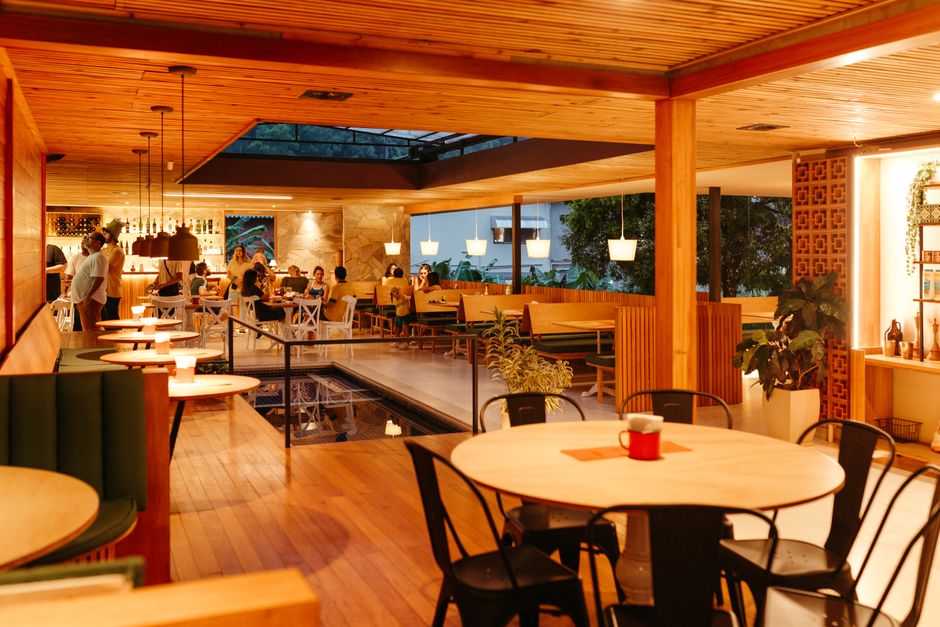
Another critical aspect is lighting. Proper lighting can set the mood of the restaurant and significantly affect how customers perceive the food. Soft, warm lighting can create an intimate atmosphere, while bright, white lights are often used in fast-casual dining settings to promote a lively and energetic vibe. Integrating various light sources, such as pendant lights, wall sconces, and natural light through windows, can add depth and character to the space.
Color Psychology in Restaurant Design
Color plays a vital role in restaurant interior design, influencing mood and behavior. Different colors evoke different emotions; for instance, red is often associated with excitement and appetite, making it a popular choice for dining establishments. On the other hand, blue tends to suppress appetite, which is why it is rarely used in restaurants.
Research has shown that the color scheme can affect how much customers spend. Restaurants that use warm colors like orange and yellow often report higher sales as these colors encourage social interaction and stimulate hunger. Incorporating color strategically can enhance the dining experience and align with the restaurant’s branding.
Incorporating Technology in Interior Design
In today’s digital age, integrating technology into restaurant interior design has become increasingly important. Features such as digital menus, self-order kiosks, and mobile payment options can enhance customer convenience and streamline operations. Additionally, incorporating elements like ambient music and smart lighting can create a more engaging and enjoyable atmosphere.
Moreover, the rise of social media has transformed how restaurants approach interior design. Many patrons enjoy sharing their dining experiences online, which has led to a focus on creating Instagram-worthy spaces. Unique decor, vibrant colors, and artistic elements can encourage customers to take photos, generating organic marketing through social media platforms.
Case Studies: Successful Restaurant Designs
To illustrate the impact of effective restaurant interior design, let’s explore a few successful examples. One notable case is the renowned restaurant, Eleven Madison Park, in New York City. The restaurant’s interior features a minimalist design with elegant furnishings and a soft color palette, creating a serene dining environment. This thoughtful approach has contributed to its acclaim and success, making it a destination for food lovers worldwide.
Another example is the fast-casual chain, Sweetgreen, which focuses on sustainability and health. Their interiors incorporate natural materials, greenery, and open layouts, reflecting their commitment to fresh and healthy food. This design not only enhances the dining experience but also reinforces their brand message, attracting health-conscious consumers.
Conclusion
In conclusion, restaurant interior design is a multifaceted discipline that combines aesthetics, functionality, and brand identity to create inviting dining experiences. By understanding the importance of layout, lighting, color psychology, and technology, restaurant owners can transform their spaces into destinations that attract and retain customers. Whether you’re starting a new venture or renovating an existing establishment, investing in thoughtful interior design can significantly impact your restaurant’s success. For more insights on restaurant interior design, consider consulting with professionals who can guide you in creating a space that resonates with your vision and enhances your brand.