
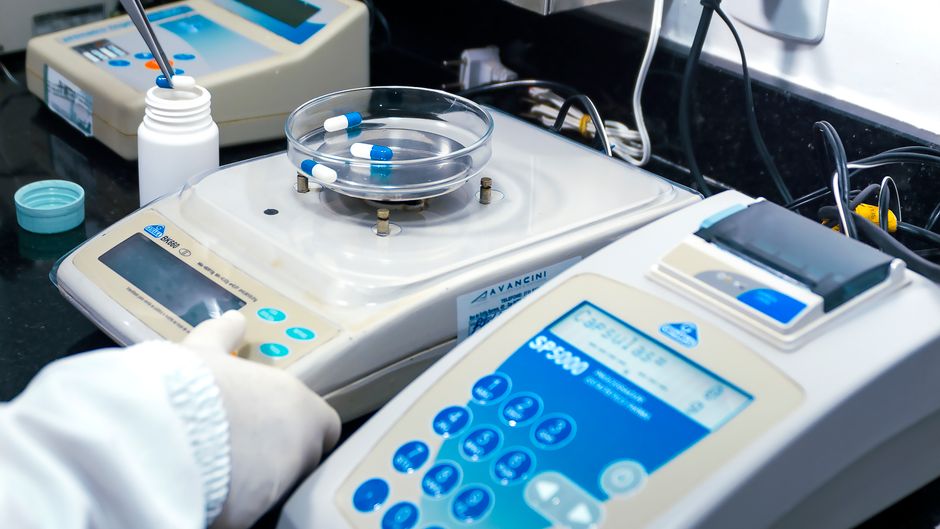
As businesses strive to maintain a safe and productive environment, the need for comprehensive drug testing services has become increasingly essential. These services ensure that workplaces are not only compliant with regulations but also foster a healthy workforce. This article explores the significance of drug testing services, their various types, and how they can benefit organizations across different sectors.
What Are Drug Testing Services?
Drug testing services refer to a range of procedures used to detect the presence of illegal substances or alcohol in an individual’s system. These tests can be conducted in various settings, including pre-employment screenings, random testing, and post-accident evaluations. The primary goal of these services is to ensure that employees are fit for duty and that the workplace remains safe for everyone.
According to the Substance Abuse and Mental Health Services Administration (SAMHSA), about 70% of people who use illegal drugs are employed. This statistic underscores the importance of implementing effective drug testing protocols in the workplace.
Furthermore, drug testing can help organizations mitigate risks associated with substance abuse, such as increased accidents, lower productivity, and higher healthcare costs. By identifying substance abuse early, companies can offer support and resources to employees, fostering a healthier work environment.
The Types of Drug Testing Services
There are several types of drug testing services that organizations can utilize, each with its specific applications and benefits. These include:
- Urine Testing: This is the most common form of drug testing due to its cost-effectiveness and ease of administration. Urine tests can detect various substances, including marijuana, cocaine, and opiates.
- Saliva Testing: Saliva tests are gaining popularity because they are non-invasive and can be administered on-site. They are particularly effective for detecting recent drug use.
- Hair Testing: Hair tests provide a longer detection window, making them useful for identifying chronic substance abuse. However, they are more expensive and take longer to process.
- Blood Testing: Blood tests are the most accurate but are also the most invasive and costly. They are typically used in specific situations, such as post-accident testing.
Organizations must choose the type of testing that aligns with their specific needs and policies. For comprehensive solutions, partnering with a drug testing service provider can help streamline the process.
Benefits of Implementing Drug Testing Services
Adopting drug testing services offers numerous benefits to organizations, including:
- Enhanced Workplace Safety: By identifying employees who may be under the influence of drugs or alcohol, companies can reduce the risk of workplace accidents and injuries.
- Improved Productivity: Employees who are free from substance abuse are more likely to perform better, leading to increased productivity and lower absenteeism rates.
- Legal Compliance: Many industries are required by law to implement drug testing protocols. Compliance helps organizations avoid legal repercussions and maintain their reputations.
In addition to these benefits, drug testing can help foster a culture of accountability and responsibility within the organization, encouraging employees to adhere to company policies.
Challenges and Considerations
Despite the benefits, organizations may face challenges when implementing drug testing services. One common concern is the potential for false positives or negatives, which can lead to wrongful accusations or missed detections of substance abuse.
Additionally, organizations must navigate privacy concerns and ensure that testing procedures comply with relevant laws and regulations. It is crucial to communicate the purpose and procedures of drug testing to employees to alleviate concerns and foster transparency.
Moreover, companies should consider the potential impact of drug testing on employee morale. A supportive approach, where employees are educated about the benefits of drug testing, can help mitigate negative perceptions.
Conclusion
In conclusion, drug testing services play a vital role in promoting a safe and productive workplace. By implementing effective drug testing protocols, organizations can protect their employees, improve productivity, and ensure compliance with legal requirements. As the landscape of workplace safety evolves, investing in reliable drug testing services will remain a crucial aspect of responsible business practices.