
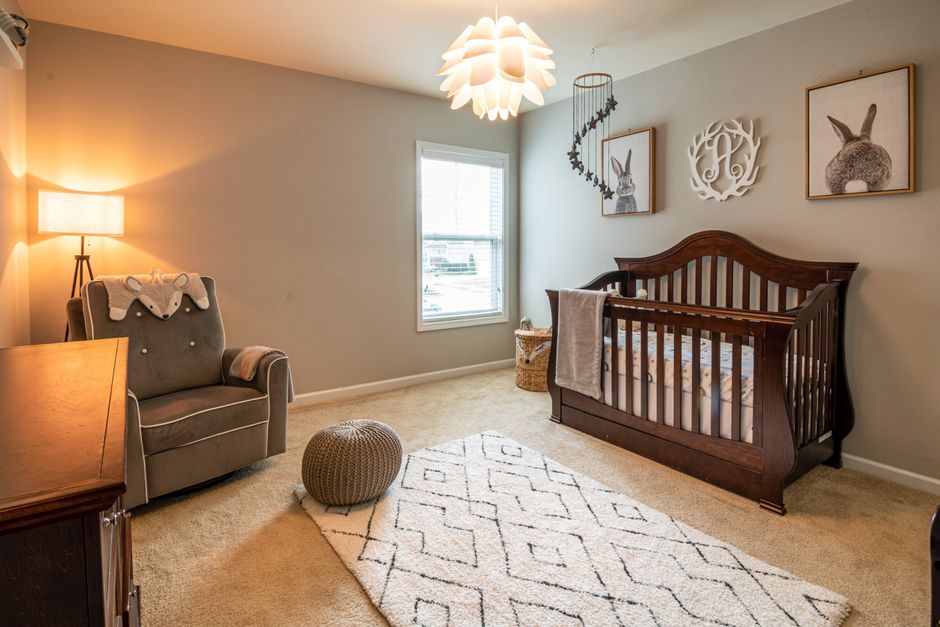
In the ever-evolving landscape of baby products, wholesale baby furniture stands out as a crucial area for retailers and businesses aiming to meet the demands of new parents. As the market for baby furniture continues to grow, understanding the ins and outs of wholesale purchasing becomes essential. This article will delve into the importance of wholesale baby furniture, key considerations for buyers, and how to make informed purchasing decisions.
Understanding the Market for Baby Furniture
The baby furniture market is a vibrant sector within the larger baby products industry, which was valued at approximately $66.8 billion in 2022 and is projected to grow at a CAGR of 5.7% through 2030. This growth is fueled by several factors, including the rising birth rates in developing nations and increased spending on baby products. For retailers, being aware of trends in the market will significantly impact their purchasing strategies.
Many parents today are looking for high-quality, safe, and stylish baby furniture options. This demand drives retailers to source products that not only meet safety standards but also appeal to aesthetic preferences. With an increasing number of options available, the need for businesses to establish relationships with reliable wholesale suppliers becomes even more critical.
Wholesale baby furniture can range from cribs and changing tables to rocking chairs and storage solutions. Retailers must consider the diversity of their inventory to cater to various customer needs. By understanding the market dynamics, businesses can better position themselves to capitalize on emerging trends and consumer preferences.
Key Considerations When Sourcing Baby Furniture
When it comes to sourcing baby furniture wholesale, there are several key considerations that retailers should keep in mind. First and foremost is safety. All furniture items must comply with strict safety regulations to ensure they are safe for infants and toddlers. Retailers should verify that their suppliers adhere to these safety standards, such as the Consumer Product Safety Commission (CPSC) regulations in the United States.
Additionally, quality is paramount. Parents are willing to invest in durable and well-crafted furniture that can withstand the test of time. Retailers should look for suppliers that offer high-quality materials and craftsmanship. This not only helps in building trust with customers but also reduces the likelihood of returns and complaints.
Another critical factor is pricing. Wholesale pricing can vary significantly, so it’s essential for retailers to conduct thorough research to find competitive pricing without compromising quality. This is where relationships with suppliers can lead to better deals and exclusive offers, making it easier for retailers to maintain healthy margins.
Building Relationships with Suppliers
Establishing strong relationships with suppliers is vital in the wholesale baby furniture business. A good supplier can provide valuable insights into market trends, help with inventory management, and offer flexible terms that can benefit both parties. Retailers should actively engage with their suppliers, attending trade shows, and networking events to foster these relationships.
Moreover, retailers should communicate their needs clearly to suppliers. This includes specifications about styles, materials, and pricing. Clear communication ensures that both parties have aligned expectations, leading to smoother transactions and better outcomes.
One effective way to find reliable suppliers is through online platforms that specialize in wholesale products. For instance, exploring options like baby furniture wholesale can provide access to a wide range of suppliers and products, enabling retailers to make informed decisions.
Marketing Wholesale Baby Furniture
Once retailers have sourced their baby furniture, the next step is effective marketing. It’s essential to highlight the unique selling points of the products, such as safety features, eco-friendliness, or innovative designs. Utilizing social media platforms, influencer partnerships, and targeted advertising can significantly increase visibility and attract potential customers.
Furthermore, an engaging online presence is crucial. Retailers should invest in a user-friendly website that showcases their inventory, complete with high-quality images and detailed descriptions. Offering promotions and seasonal discounts can also entice customers to make purchases.
Customer reviews and testimonials play a significant role in building credibility. Encouraging satisfied customers to leave positive feedback can help attract new buyers and establish trust in the brand.
Conclusion
Wholesale baby furniture represents a lucrative opportunity for retailers looking to tap into the growing baby products market. By understanding market dynamics, prioritizing safety and quality, building strong supplier relationships, and implementing effective marketing strategies, businesses can thrive in this competitive landscape. As the demand for baby furniture continues to rise, retailers who adapt and innovate will be well-positioned for success in the years to come.