
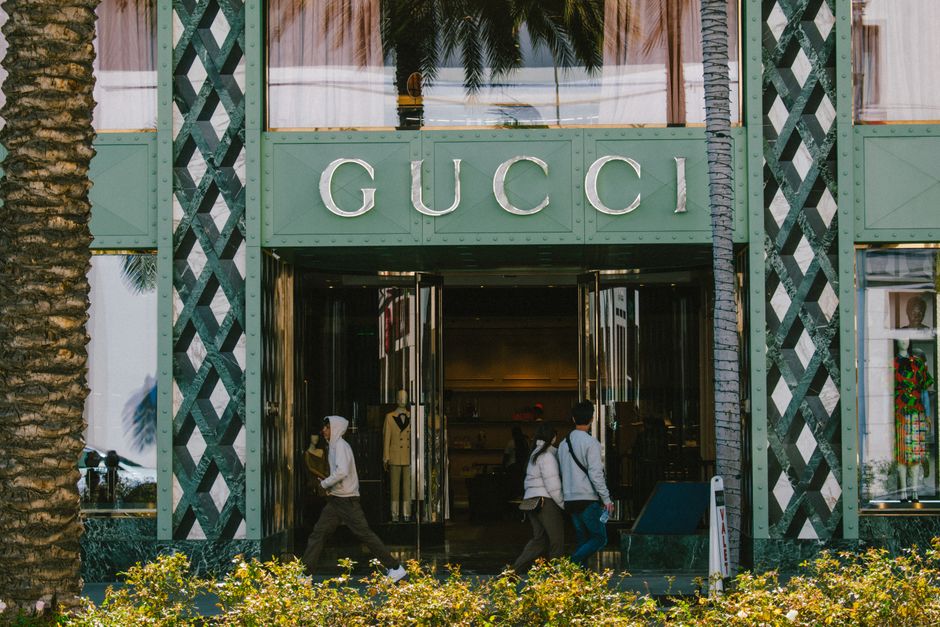
In recent years, the world of fashion has undergone significant transformations, largely due to the emergence of luxury brand resellers. These platforms offer consumers access to high-end products at more affordable prices, challenging traditional retail models. This article explores the rise of luxury brand resellers, the reasons behind their popularity, and how they are reshaping the luxury market.
Understanding the Luxury Resale Market
The luxury resale market has seen exponential growth over the past decade. According to a report by Bain & Company, the second-hand luxury market is expected to reach €30 billion by 2025. This surge can be attributed to several factors, including increased consumer awareness of sustainability, economic shifts, and the desire for exclusivity at a fraction of the original price.
Luxury brand resellers typically operate online, providing a user-friendly platform where consumers can buy and sell pre-owned luxury items. This convenience appeals to a broad audience, from the fashion-savvy millennial to the discerning collector. As the stigma around second-hand goods diminishes, more consumers are willing to explore these platforms.
The Role of Technology in Resale
Technology plays a crucial role in the growth of luxury brand resellers. Advanced algorithms and AI-driven technologies help authenticate products, ensuring that buyers receive genuine items. Companies like The RealReal and Vestiaire Collective have implemented rigorous verification processes that bolster consumer trust.
Additionally, social media has become a powerful marketing tool for resellers. Influencers and fashion bloggers showcase their finds, encouraging their followers to consider pre-owned luxury items. This digital presence not only drives sales but also fosters a community of like-minded individuals who appreciate luxury in a sustainable way.
Economic Factors Influencing Consumer Behavior
The economic landscape has shifted dramatically in recent years, leading to a growing interest in luxury resale. With the rise of economic uncertainty, consumers are becoming more cautious with their spending. Reselling luxury items allows individuals to enjoy high-end fashion without the hefty price tag.
Moreover, the COVID-19 pandemic has accelerated this trend. Many consumers found themselves with disposable income and sought ways to invest in timeless pieces. The luxury brand reseller market became an attractive option, offering access to coveted brands like Chanel, Gucci, and Louis Vuitton at reduced prices.
Challenges Faced by Resellers
Despite the booming market, luxury brand resellers face several challenges. Competition is fierce, with numerous platforms vying for consumer attention. To stand out, resellers must offer unique value propositions, whether through exceptional customer service, exclusive partnerships, or innovative marketing strategies.
Additionally, the risk of counterfeit products remains a significant concern. Even with stringent authentication processes, some items may slip through the cracks. Educating consumers on how to identify authentic pieces is essential for maintaining trust in the resale market.
Future Trends in Luxury Resale
Looking ahead, the luxury resale market is poised for continued growth. As younger generations prioritize sustainability and conscious consumption, luxury brand resellers are well-positioned to cater to these values. Companies may also begin to explore innovative business models, such as subscription services or rental options, to enhance customer experience.
Furthermore, collaborations between luxury brands and resale platforms could become more prevalent. Brands may recognize the potential for resale as a marketing tool, allowing them to reach a wider audience while promoting sustainability.
For those interested in exploring the world of luxury resale, platforms such as luxury brand reseller offer a vast selection of authenticated items, making it easier than ever to find that perfect piece.
Conclusion
The rise of luxury brand resellers represents a significant shift in consumer behavior and the fashion industry as a whole. As these platforms continue to grow in popularity, they challenge traditional notions of luxury and reshape the marketplace. With a focus on sustainability, authenticity, and accessibility, the future of luxury resale looks bright.