
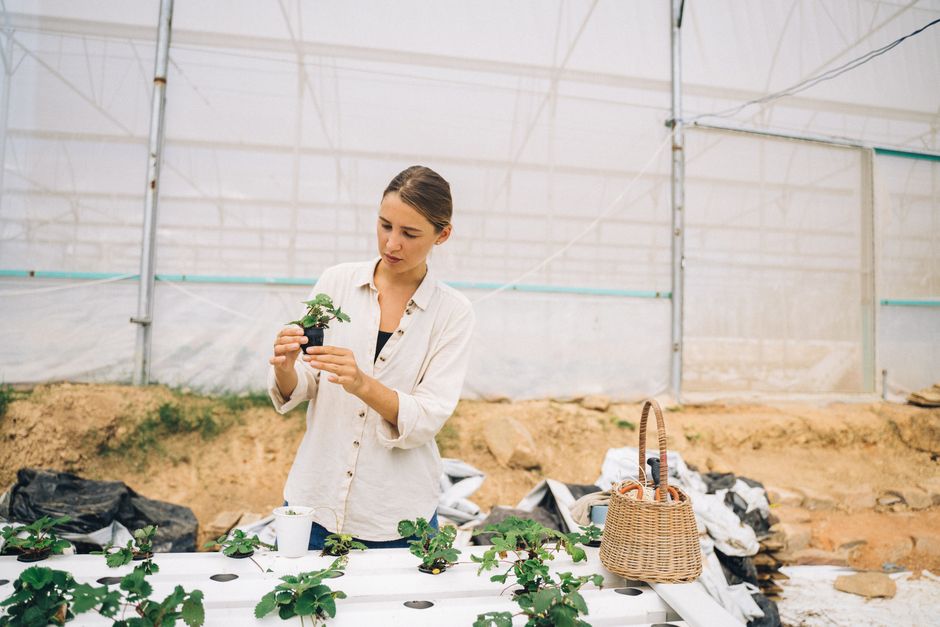
Aquaponics is an innovative and sustainable method of food production that combines aquaculture (raising fish) and hydroponics (growing plants in water). It leverages the natural symbiotic relationship between fish and plants, allowing for a more efficient use of resources, minimal waste, and a reduced carbon footprint. With the rise of urban gardening and sustainable living, aquaponics kits have become increasingly popular among home gardeners and enthusiasts. In this article, we will delve into the numerous benefits of using aquaponics kits, how they work, and tips for getting started.
Understanding Aquaponics: A Sustainable Solution
Aquaponics is not just a trend; it represents a shift towards more sustainable agricultural practices. By combining fish farming and plant cultivation, aquaponics systems create a closed-loop ecosystem. Fish waste provides organic nutrients for the plants, while the plants help filter and purify the water for the fish. This symbiotic relationship reduces the need for chemical fertilizers and minimizes water usage, making aquaponics an environmentally friendly choice.
According to research, conventional farming uses approximately 70% of the world’s freshwater supply. In contrast, aquaponics systems can use up to 90% less water than traditional soil-based agriculture. This efficiency is crucial as the global population continues to grow and the demand for food increases.
Additionally, aquaponics systems can be set up in various environments, including urban areas where space is limited. This adaptability makes them an ideal choice for city dwellers who want to grow their own food.
The Components of an Aquaponics Kit
An aquaponics kit typically includes a fish tank, a grow bed for plants, a water pump, and a filtration system. Understanding these components is essential for anyone considering setting up their own aquaponics system.
The fish tank is where you will raise your fish, which can include species like tilapia, goldfish, or catfish. The grow bed is designed to support the plants and allow their roots to access the nutrient-rich water from the fish tank. The water pump circulates water between the fish tank and the grow bed, ensuring that both fish and plants thrive.
Filtration is crucial in an aquaponics system because it helps remove solids and maintains water quality. Many kits come with pre-built filtration systems, making it easier for beginners to get started without needing extensive knowledge of aquaponics.
Benefits of Using an Aquaponics Kit
There are numerous advantages to using an aquaponics kit for growing your own food. Firstly, the system’s closed-loop nature allows for efficient nutrient cycling, leading to faster plant growth and healthier fish. This efficiency means that users can enjoy a bountiful harvest in a shorter period.
Furthermore, aquaponics kits are incredibly versatile. They can be used indoors or outdoors, depending on the available space and climate conditions. This flexibility allows you to grow a variety of plants, including leafy greens, herbs, and even fruit-bearing plants like tomatoes and peppers.
Additionally, aquaponics promotes a hands-on approach to gardening, making it an excellent educational tool for families. Children can learn about biology, ecology, and the importance of sustainable practices while participating in the care of the plants and fish.
Getting Started with Your Own Aquaponics Kit
If you’re interested in setting up your own aquaponics system, there are a few key steps to follow. First, research different types of aquaponics kits available on the market. Many companies offer comprehensive kits that include everything you need to get started, such as an aquaponics kit designed for beginners.
Next, consider the space you have available. Aquaponics systems can vary in size, so choose one that fits your living situation. If you’re working with limited space, look for vertical aquaponics systems that maximize growing area.
Finally, take the time to learn about the fish and plants you want to cultivate. Each species has different requirements for growth, so it’s important to choose compatible plants and fish that can thrive together in your system.
Maintaining Your Aquaponics System
Once your aquaponics kit is set up, maintenance is relatively straightforward. Regularly check the water quality, including pH levels and ammonia content, to ensure a healthy environment for both fish and plants. Feeding the fish and monitoring their health is also essential.
As plants grow, they will require pruning and harvesting, which helps maintain the balance within the system. Additionally, be prepared to occasionally clean the system to remove any accumulated waste or debris.
In conclusion, aquaponics kits offer a sustainable and efficient way to grow food at home. By understanding the components of these systems, the benefits they provide, and how to maintain them, anyone can embark on a journey towards sustainable living.
Conclusion
Aquaponics represents a promising solution to some of the challenges facing modern agriculture. By utilizing an aquaponics kit, individuals can contribute to sustainable food production while enjoying the fruits of their labor. Whether you are a seasoned gardener or a beginner, there’s never been a better time to explore the world of aquaponics and take control of your food source.