
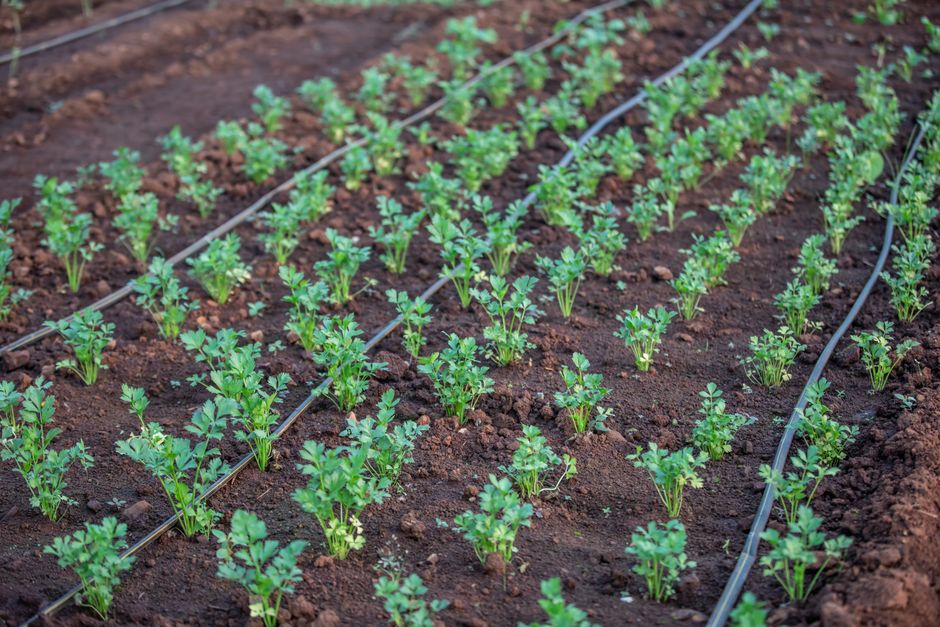
Irrigation systems play a pivotal role in agriculture and landscaping, ensuring that plants receive the necessary water to thrive. With the increasing demand for food production and the challenges posed by climate change, efficient irrigation practices have become more important than ever. This article delves into the various types of irrigation systems, their benefits, and how to choose the right one for your needs.
Understanding Different Types of Irrigation Systems
There are several types of irrigation systems, each designed for specific applications and conditions. The three most common types are surface irrigation, drip irrigation, and sprinkler irrigation.
Surface irrigation involves the application of water directly to the soil surface, allowing it to flow over the field. This method is simple and cost-effective but may lead to water wastage if not managed properly. In contrast, drip irrigation delivers water directly to the plant roots through a network of tubing and emitters, minimizing evaporation and runoff. This method is highly efficient and ideal for areas with limited water supply.
Sprinkler irrigation simulates rainfall by distributing water through a system of pipes and spray heads. It is versatile and can be used for various crops and landscapes. Each system has its advantages and disadvantages, making it crucial to assess your specific situation before deciding on an irrigation method.
The Benefits of Efficient Irrigation
Implementing an efficient irrigation system can lead to numerous benefits for both the environment and agricultural productivity. First and foremost, it conserves water, which is a precious resource. By using methods like drip irrigation, farmers can reduce their water usage by up to 50% compared to traditional surface irrigation.
Moreover, efficient irrigation systems enhance crop yield and quality. When plants receive the right amount of water consistently, they grow healthier and more robust, leading to higher productivity. For instance, studies have shown that using advanced irrigation techniques can increase crop yields by 20-30%.
In addition to conserving water and improving crop yield, efficient irrigation systems can also reduce energy costs. Many modern systems are designed to operate with lower energy consumption, which can significantly lower operational costs for farmers and gardeners alike.
Choosing the Right Irrigation System
When selecting an irrigation system, several factors must be considered. The type of crops being grown, the size of the area, soil type, and local climate all play a crucial role in determining the most suitable irrigation method.
For instance, crops with high water needs, such as rice, may benefit more from surface irrigation, while drought-resistant crops like tomatoes may thrive under drip irrigation. Additionally, understanding the local climate can help in making informed decisions. In regions with low rainfall, an efficient irrigation system is essential to sustain agriculture.
It is also vital to consider the budget and maintenance requirements associated with each system. Some advanced systems may have higher initial costs but can lead to long-term savings through reduced water and energy usage.
Technological Innovations in Irrigation
In recent years, technology has significantly advanced the field of irrigation. The integration of smart technology, such as soil moisture sensors and automated irrigation systems, has revolutionized how water is managed in agriculture.
For example, soil moisture sensors can provide real-time data on soil conditions, allowing farmers to optimize their irrigation schedules and avoid overwatering. This not only conserves water but also improves crop health by ensuring that plants receive water at the optimal times.
Furthermore, the use of mobile apps and software for irrigation management has made it easier for farmers to monitor and control their systems remotely. This technological shift is paving the way for more sustainable agricultural practices.
Conclusion: The Future of Irrigation Systems
The future of irrigation systems is promising, with ongoing innovations aimed at enhancing efficiency and sustainability. As water scarcity becomes a pressing global issue, the adoption of efficient irrigation practices will be crucial for ensuring food security and environmental preservation.
Investing in advanced irrigation technologies today can lead to significant benefits in the long run. Farmers and landscapers who embrace these changes will not only improve their productivity but also contribute to a more sustainable future for agriculture. For those interested in exploring more about irrigation systems, resources such as irrigation systems can provide valuable insights and research.