
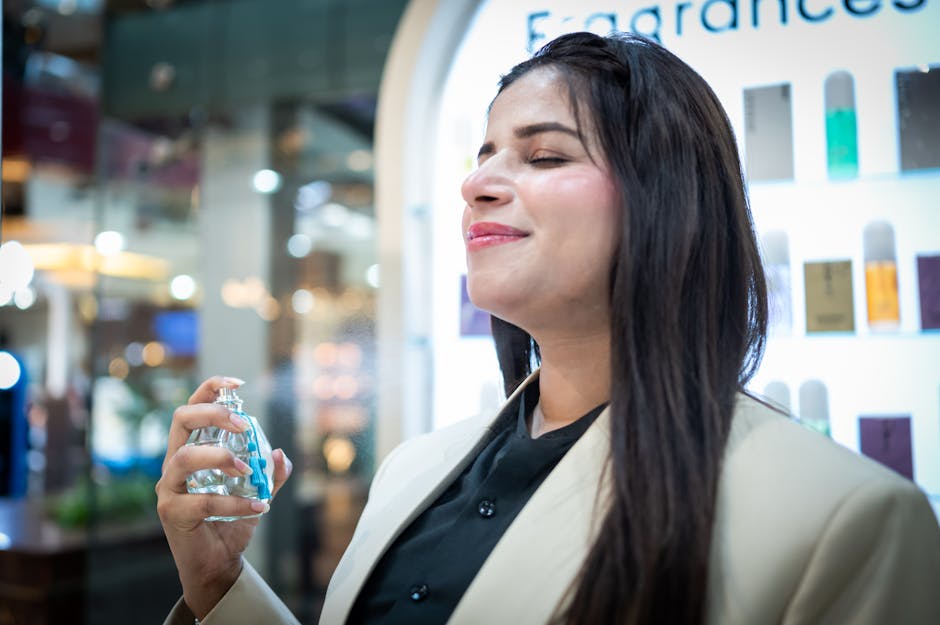
Perfumes have captivated humanity for centuries, weaving a tapestry of emotions, memories, and experiences through their scents. From ancient Egypt, where fragrances were used in religious rituals, to modern-day designer brands that define luxury, the world of perfume is both an art and a science. In this article, we will explore the intricate process of perfume creation, the significance of fragrance in our lives, and the emerging trends within the industry.
The History of Perfume
Perfume has a rich history that dates back thousands of years. Ancient civilizations, such as the Egyptians, Greeks, and Romans, utilized scents derived from natural sources like flowers, spices, and resins. These fragrances were not just for personal use; they played a significant role in religious ceremonies and social rituals. For instance, incense was burned to honor deities and to purify spaces.
The word ‘perfume’ originates from the Latin term ‘per fumum,’ meaning ‘through smoke,’ highlighting the historical importance of scent in spirituality and healing. As trade routes expanded, so did the knowledge of perfumery, leading to the blending of various cultural practices and the birth of modern perfumery as we know it today.
In the 19th century, the invention of synthetic fragrance ingredients revolutionized the industry, allowing for more complex and diverse scents. This period marked the beginning of commercial perfumery, with iconic brands emerging and establishing a new standard for luxury fragrances.
The Anatomy of a Fragrance
Understanding the structure of perfume is essential for both creators and consumers. A fragrance typically consists of three layers: top notes, middle notes, and base notes. Top notes are the initial scents that are perceived immediately upon application. They are usually light and evaporate quickly, giving way to the heart of the fragrance.
The middle notes, or heart notes, emerge shortly after the top notes fade. These scents form the core of the fragrance and last longer than top notes. Common heart notes include floral and fruity scents that create a pleasant, inviting aroma.
Finally, the base notes provide depth and longevity to the fragrance. They are often rich and heavy, consisting of ingredients like woods, resins, and musks. Together, these layers create a harmonious scent profile that evolves over time.
The Role of Perfume in Society
Perfume is more than just a luxury item; it serves various functions in society. Scents have the power to evoke memories and emotions, often transporting individuals back to significant moments in their lives. For example, a particular fragrance might remind someone of a loved one or a cherished event.
In many cultures, perfume is also associated with identity and personal expression. Choosing a fragrance can be a reflection of one’s personality, mood, or even social status. The rise of niche perfumes has further emphasized individuality, allowing consumers to explore unique and unconventional scents that resonate personally.
Moreover, the fragrance industry has embraced sustainability and ethical sourcing in recent years. Many brands are now committed to using natural ingredients and eco-friendly practices, reflecting a growing awareness of environmental impact and consumer demand for responsible products.
Emerging Trends in Perfume
The perfume industry is continually evolving, with new trends shaping consumer preferences. One notable trend is the increasing popularity of gender-neutral fragrances. As societal norms regarding gender identity shift, many fragrance houses are creating scents that appeal to a broader audience, breaking traditional gender boundaries.
Another trend is the rise of personalized perfume experiences. Brands are offering customization options, allowing consumers to create their unique fragrance blends. This trend not only enhances the consumer experience but also fosters a deeper connection between individuals and their chosen scents.
Furthermore, technology is playing a significant role in the future of perfumery. Innovations such as AI-driven scent development and digital scent marketing are transforming the way fragrances are created and marketed. As technology continues to advance, the fragrance industry will likely see even more exciting changes in the years to come.
Conclusion
Perfume is an intricate blend of art and science, steeped in history and cultural significance. As we explore the world of fragrance, we uncover not only the complex processes behind scent creation but also the profound impact that scents have on our lives. From their historical roots to modern innovations, perfumes continue to captivate our senses and shape our identities. As we look to the future, the fragrance industry promises to evolve, offering new and exciting experiences for fragrance enthusiasts around the globe. To explore exquisite options, consider brands like Maison Francis Kurkdjian (MFK), known for their artistry and quality in perfumery.