
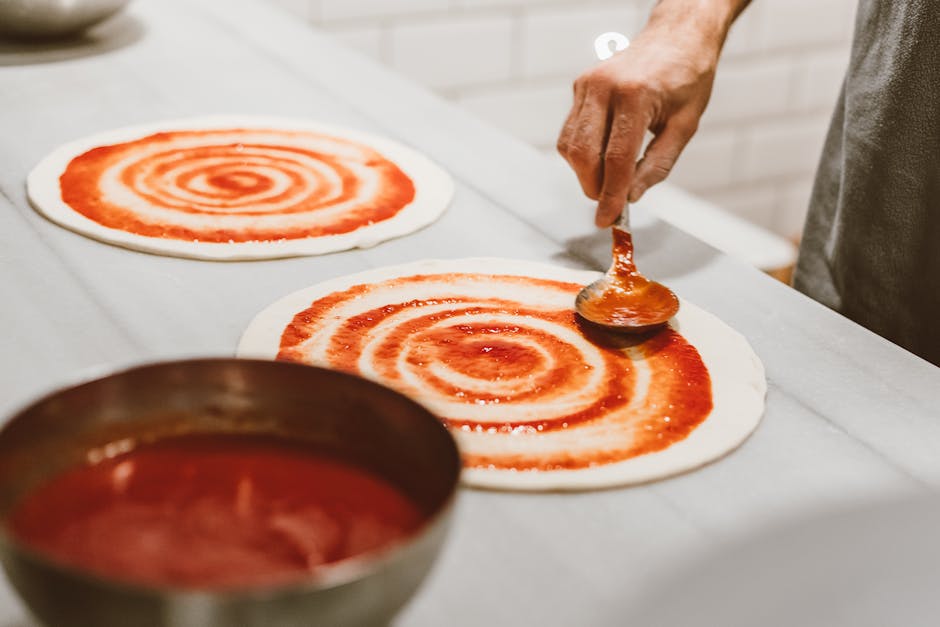
Handmade pizza has become a beloved staple in many households and restaurants around the world. The allure of fresh, hand-kneaded dough combined with quality ingredients creates a unique dining experience that simply cannot be replicated by store-bought options. In this article, we will explore the intricate process of making handmade pizza, the significance of each ingredient, and the cultural impact it has had on our dining habits.
The Journey Begins: Choosing the Right Ingredients
The foundation of any great handmade pizza lies in its ingredients. From the flour used for the dough to the toppings that adorn it, each component plays a crucial role in the overall flavor and texture. High-quality flour, ideally a type with a high protein content, is essential for achieving the perfect crust. This is because higher protein flour helps develop the gluten, which gives the dough its elasticity and chewiness.
Next, we consider the importance of fresh yeast. Using active dry yeast or fresh yeast can make a significant difference in the dough’s rise and flavor. A slow fermentation process can enhance the taste, leading to a richer flavor profile. This is why many artisanal pizza makers will allow their dough to rise for an extended period, sometimes even overnight.
Furthermore, the choice of toppings is critical. Traditional options like San Marzano tomatoes, fresh mozzarella, and a drizzle of extra virgin olive oil are often preferred for their authentic flavors. The balance of these ingredients creates a harmonious dish that showcases the beauty of handmade pizza.
The Dough: Kneading, Rising, and Shaping
Kneading the dough is an art form in itself. This process not only combines the ingredients but also develops the gluten structure, which is vital for achieving the desired texture. A skilled pizza maker can tell when the dough is ready just by the feel of it. Typically, the dough should be smooth and elastic, bouncing back when pressed.
Once kneaded, the dough must be allowed to rise. This fermentation process is crucial, as it allows the flavors to develop and the dough to increase in volume. Many pizza enthusiasts swear by a double rise technique, which involves letting the dough rise once, shaping it, and allowing it to rise again before baking. This extra step can lead to a more complex flavor and a lighter crust.
Shaping the dough is another essential skill. Unlike commercial pizza, which is often rolled out, handmade pizza is typically stretched by hand. This method preserves the air bubbles created during fermentation, resulting in a crust that is both airy and crispy.
The Baking Process: Achieving the Perfect Crust
The baking method plays a pivotal role in the final product. Traditional wood-fired ovens can reach temperatures of up to 900°F (482°C), allowing for a quick bake that creates a beautifully charred crust while keeping the toppings fresh. However, not everyone has access to such ovens; home cooks can achieve great results using a pizza stone or steel in a conventional oven.
To simulate the high heat of a wood-fired oven, preheating the oven for at least 30 minutes is essential. The pizza stone absorbs the heat and helps to create a crispy bottom crust. When placing the pizza in the oven, a quick transfer using a pizza peel can prevent the loss of heat, ensuring the crust bakes evenly.
It’s also crucial to monitor the pizza closely while it bakes. A typical handmade pizza may only require 7-10 minutes in a hot oven, so timing is key to achieving that perfect golden brown crust.
The Cultural Impact of Handmade Pizza
Handmade pizza is more than just a meal; it’s a cultural experience. Originating from Italy, this culinary delight has traveled the globe, adapting to local tastes and preferences along the way. In the United States, for instance, regional variations have emerged, such as Chicago deep-dish and New York-style pizza, each with its unique characteristics and fan base.
Moreover, the rise of artisanal pizza shops and food trucks has made handmade pizza more accessible than ever. These establishments often focus on using local, seasonal ingredients, aligning with the farm-to-table movement that emphasizes sustainability and quality.
As people become more health-conscious, many are seeking alternatives to traditional pizza. This has led to the emergence of gluten-free and cauliflower crusts, allowing even more individuals to enjoy the experience of handmade pizza.
Conclusion: Embracing the Handmade Pizza Experience
In conclusion, handmade pizza represents a beautiful blend of art and science. From selecting the right ingredients to mastering the dough and baking techniques, each step in the process contributes to the final product. The cultural significance and adaptability of handmade pizza ensure its place in the hearts and homes of many. So the next time you indulge in a slice of handmade pizza, take a moment to appreciate the craftsmanship that goes into creating this beloved dish. And for those looking to explore exciting flavor combinations or unique dining experiences, consider trying offerings from places like LUXURY 777, where innovation meets tradition.