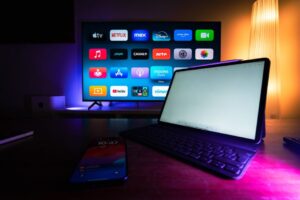

In recent years, Internet Protocol Television (IPTV) has revolutionized the way we consume media. With the convergence of high-speed internet and advanced streaming technologies, IPTV offers a flexible and on-demand viewing experience that traditional television cannot match. This article delves into the intricacies of IPTV, its advantages, the technology behind it, and what the future holds for this dynamic medium.
Understanding IPTV Technology
IPTV stands for Internet Protocol Television, which utilizes the internet to deliver television content. Unlike traditional cable or satellite television, IPTV streams video content over high-speed internet connections. This technology leverages protocols similar to those used for internet browsing, allowing viewers to access a wide range of content seamlessly.
The core of IPTV technology lies in its ability to transmit data packets over the internet. This means that instead of being transmitted via radio waves or cables, the signals are sent through the internet, allowing for greater flexibility in content delivery. The use of broadband networks enables users to watch their favorite shows without the delays or buffering often associated with traditional services.
One of the key components of IPTV is the middleware, which acts as an interface between the user and the content. Middleware manages user requests, accesses the content from servers, and delivers it to the viewer. This system not only enhances user experience but also allows for the incorporation of features like video on demand (VOD) and interactive television.
The Advantages of IPTV
IPTV offers numerous advantages over traditional television services. Firstly, it provides greater flexibility, allowing viewers to watch content on their own schedule. This is particularly beneficial in today’s fast-paced world, where time is often limited. With IPTV, users can choose what to watch, when to watch it, and on which device.
Another significant advantage is the extensive content library available through IPTV services. Many providers offer thousands of channels, including international options that cater to diverse audiences. This wide range of content ensures that viewers can find something that interests them, regardless of their preferences.
Furthermore, IPTV services often come with enhanced features such as catch-up TV, which allows users to watch programs they missed, and digital video recording (DVR) capabilities. These features elevate the viewing experience, making it more convenient and user-friendly.
Cost-Effectiveness and Subscription Models
When comparing IPTV to traditional cable services, the cost-effectiveness of IPTV becomes evident. With a variety of subscription models available, viewers can choose a package that suits their budget and viewing habits. Some IPTV providers offer flexible plans that allow users to pay only for the channels they want, unlike cable services that often bundle channels together.
Moreover, many IPTV services are available at a fraction of the cost of traditional cable subscriptions. For instance, an iptv subscription can provide access to a vast array of channels and on-demand content for a relatively low monthly fee. This affordability has made IPTV an attractive option for many households looking to cut back on entertainment costs.
Additionally, some IPTV providers offer free trials or promotional rates for new customers, making it easier for users to explore different services without a long-term commitment. This flexibility encourages viewers to experiment with various platforms and find the one that best meets their needs.
The Future of IPTV
The future of IPTV looks promising as technology continues to advance. With the rise of 5G networks, IPTV is poised to become even more accessible and efficient. The increased bandwidth provided by 5G will allow for higher quality streaming and the potential for more interactive features, further enhancing the viewer’s experience.
Moreover, the integration of artificial intelligence (AI) and machine learning into IPTV platforms is likely to revolutionize content delivery. These technologies can analyze user preferences and viewing habits, enabling providers to offer personalized recommendations and tailor content to individual tastes.
As more households move away from traditional cable services, IPTV will likely become the dominant form of television consumption. The convenience, variety, and cost-effectiveness of IPTV make it an appealing choice for modern viewers who seek flexibility in their entertainment options.
Conclusion
In conclusion, IPTV represents a significant shift in the way we consume television content. Its reliance on internet technology provides unparalleled flexibility, a vast content library, and cost-effective subscription models that appeal to a wide range of viewers. As technology continues to evolve, IPTV is set to become even more integral to our daily lives, offering richer, more personalized viewing experiences. Embracing this innovation will not only enhance how we watch television but also redefine our entertainment landscape for years to come.