
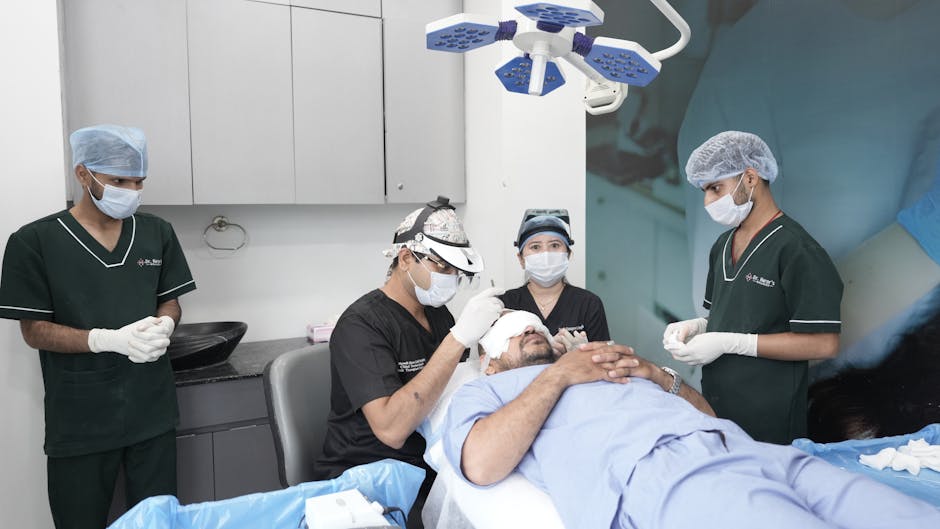
Hair loss is a common concern that affects millions of people worldwide, leading many to seek solutions that restore their confidence and appearance. One of the most popular and effective methods for addressing hair loss is hair transplantation. This article will delve into the intricacies of hair transplantation, covering the various techniques, benefits, and what to expect during the process.
What is Hair Transplantation?
Hair transplantation is a surgical procedure that involves moving hair follicles from a donor site to a balding or thinning area of the scalp. Typically, the donor site is located at the back or sides of the head, where hair is more resistant to balding. This method allows for natural hair growth in areas where individuals have experienced hair loss.
The two primary techniques for hair transplantation are Follicular Unit Transplantation (FUT) and Follicular Unit Extraction (FUE). In FUT, a strip of skin containing hair follicles is removed and dissected into individual grafts. In contrast, FUE involves extracting hair follicles directly from the scalp using a specialized tool, resulting in minimal scarring and faster recovery times.
Benefits of Hair Transplantation
One of the main advantages of hair transplantation is its permanence. Once the transplanted hair follicles take root, they will continue to grow naturally for a lifetime, unlike other temporary solutions like hairpieces or topical treatments. Additionally, the results of hair transplantation are generally very natural-looking, as the hair is taken from the patient’s own scalp, ensuring that the color and texture match.
Moreover, hair transplantation can significantly improve self-esteem and confidence. Many individuals report feeling more youthful and attractive after the procedure, which can positively impact various aspects of their personal and professional lives. Statistical studies show that over 80% of patients are satisfied with their results, highlighting the procedure’s effectiveness.
Preparing for a Hair Transplant
Preparation for a hair transplant begins well before the surgery date. Prospective patients should consult with a qualified hair restoration specialist to assess their hair loss pattern, medical history, and expectations. During this consultation, the doctor will discuss the most suitable technique for the individual’s condition and outline the entire process.
Patients are often advised to avoid blood thinners, smoking, and alcohol consumption in the weeks leading up to the surgery to reduce the risk of complications. It’s also essential to maintain a healthy diet and stay hydrated. Following pre-surgery instructions can significantly impact the success of the transplant.
What to Expect During and After the Procedure
The hair transplant procedure typically lasts between 4 to 8 hours, depending on the number of grafts being transplanted. Local anesthesia is administered to ensure the patient remains comfortable throughout the process. After the surgery, patients may experience mild discomfort, swelling, and redness in the treated area, which usually subsides within a few days.
It’s crucial to follow post-operative care instructions provided by the surgeon to ensure optimal healing and results. This may include avoiding strenuous activities, protecting the scalp from sun exposure, and using prescribed topical treatments. The transplanted hair will initially fall out within a few weeks, which is a normal part of the hair growth cycle, and new hair will begin to grow in its place within a few months.
Choosing the Right Clinic
Choosing the right clinic for a hair transplant is a critical step in ensuring a successful outcome. Factors to consider include the surgeon’s experience, the clinic’s accreditation, and patient reviews. Many people find that traveling to countries known for hair restoration, such as Turkey, can provide high-quality procedures at a fraction of the cost compared to other countries.
For instance, clinics in Istanbul have gained a reputation for excellence in hair transplantation. A visit to a reputable clinic like hair transplant istanbul can offer patients access to advanced techniques and experienced professionals who prioritize patient care and satisfaction.
Conclusion
Hair transplantation is a viable solution for individuals struggling with hair loss, offering a permanent and effective way to restore their appearance and confidence. Understanding the procedure, its benefits, and the importance of selecting a reputable clinic can help potential patients make informed decisions. As advancements in technology continue to improve hair restoration techniques, more people can achieve their desired aesthetic outcomes.