
In the intricate web of modern commerce, the role of distributors emerges as a pivotal element that significantly influences supply chains and market dynamics. Distributors act as intermediaries between manufacturers and retailers, ensuring that products reach their intended destinations efficiently and effectively. This article delves into the multifaceted responsibilities of distributors, their impact on business growth, and how they adapt to the ever-evolving market landscape.
Understanding the Distributor’s Function
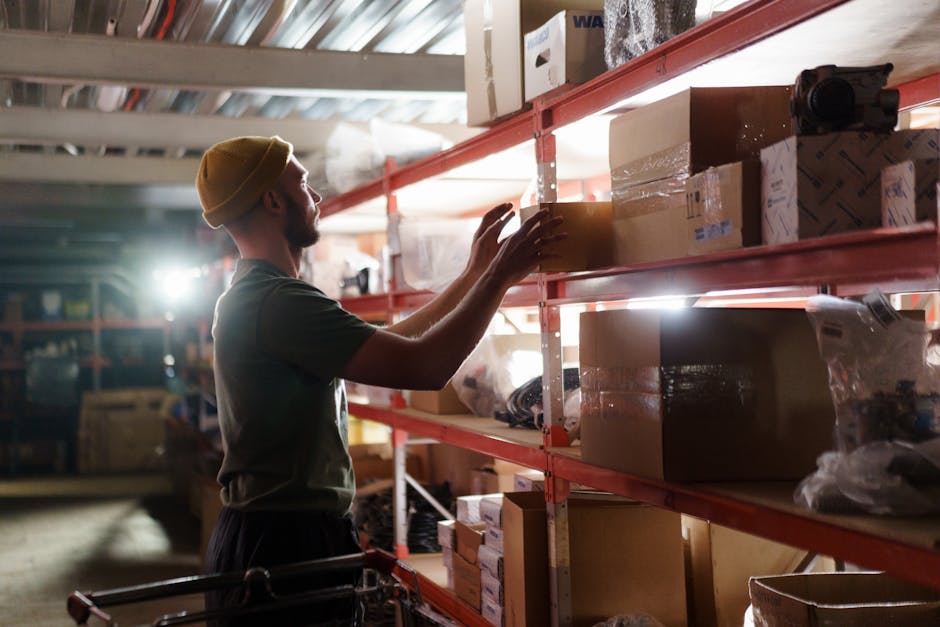
At its core, a distributor is a business entity that purchases products in bulk from manufacturers and sells them to retailers or directly to consumers. This process not only streamlines the flow of goods but also allows manufacturers to focus on production rather than logistics. By managing inventory, warehousing, and transportation, distributors create a seamless bridge between production and consumption.
Distributors often provide additional services such as marketing support, product training, and customer service, which can enhance the overall value proposition for both manufacturers and retailers. For instance, a distributor specializing in health products might offer promotional materials and training sessions to retailers to ensure they effectively sell the products, thereby improving sales outcomes.
Moreover, distributors can leverage their local market knowledge to help manufacturers understand consumer preferences and trends. This information is invaluable for product development and market positioning, allowing businesses to tailor their offerings to meet specific customer needs.
The Strategic Importance of Distributors
In today’s competitive landscape, having a robust distribution strategy can be the difference between success and failure for many businesses. Distributors not only expand a manufacturer’s reach but also provide critical insights into market dynamics. According to a study by the National Association of Wholesaler-Distributors, businesses that effectively utilize distributors can increase their market penetration by up to 30%.
Additionally, distributors often have established relationships with retailers, which can facilitate faster product placement and better shelf positioning. This advantage is particularly significant in industries where consumer preferences shift rapidly, such as technology and fashion.
Furthermore, the financial implications of utilizing distributors are considerable. Manufacturers can reduce overhead costs associated with logistics and warehousing by outsourcing these functions to distributors. This allows for more efficient use of capital, enabling businesses to invest in research, development, and marketing.
Challenges Facing Distributors
Despite their critical role, distributors face several challenges in the current business environment. The rise of e-commerce has fundamentally altered consumer buying habits, pushing traditional distributors to adapt or risk obsolescence. According to a report by McKinsey & Company, over 70% of consumers now prefer purchasing products online, which has led to a surge in direct-to-consumer sales models.
Additionally, the increasing complexity of supply chains, exacerbated by global events such as the COVID-19 pandemic, has placed further strain on distributors. They must navigate fluctuating demand, supply chain disruptions, and increased operational costs while maintaining service quality.
To overcome these challenges, many distributors are investing in technology to enhance their operational efficiency. For example, adopting advanced inventory management systems can help distributors better predict demand and optimize stock levels. Furthermore, the integration of digital platforms for order processing and customer engagement is becoming essential for staying competitive.
Future Trends in Distribution
The future of distribution is poised for transformation, driven by technological advancements and changing consumer behaviors. One notable trend is the increased use of automation and artificial intelligence in warehousing and logistics. These technologies enable faster order fulfillment and reduced operational costs, giving distributors a competitive edge.
Moreover, sustainability is becoming a key focus for distributors. In response to growing consumer demand for environmentally-friendly practices, many distributors are exploring green logistics solutions, such as optimizing transportation routes to reduce carbon emissions. This shift not only addresses consumer concerns but can also lead to cost savings and improved efficiency.
Another significant trend is the rise of omnichannel distribution strategies. Distributors are increasingly required to support multiple sales channels, including online, in-store, and mobile platforms. This approach allows businesses to meet consumers where they are, ultimately enhancing customer satisfaction and loyalty.
Conclusion
In conclusion, distributors play a vital role in the modern business ecosystem, serving as essential conduits between manufacturers and consumers. Their ability to adapt to changing market conditions and embrace technological advancements will determine their success in the future. As businesses continue to navigate the complexities of supply chains and consumer preferences, the strategic importance of distributors will only continue to grow. For those looking to enhance their product offerings, exploring partnerships with reliable distributors can be a key strategy for sustainable growth. For instance, products like GLOW demonstrate how effective distribution can elevate brand visibility and market reach.