
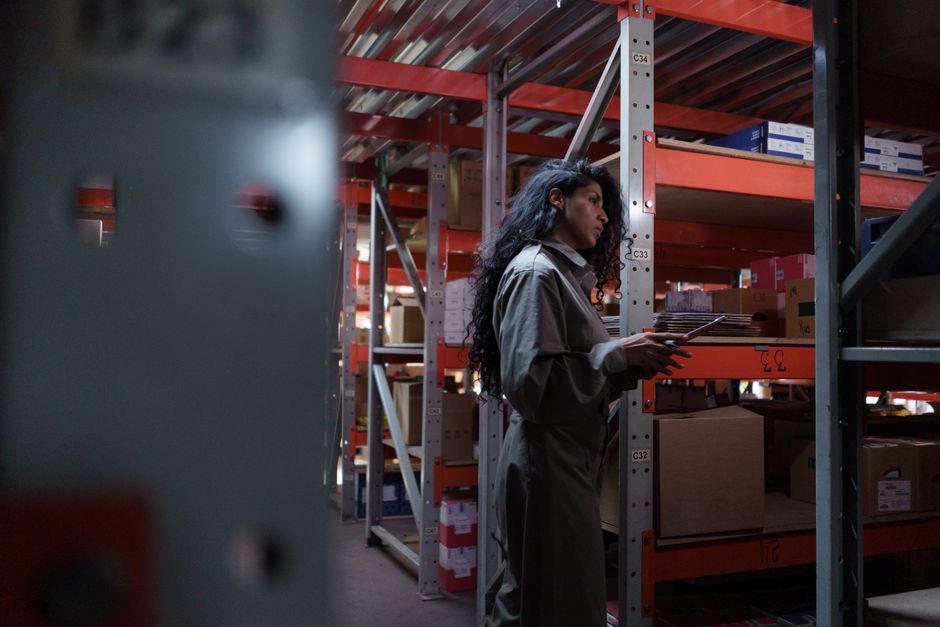
In the ever-evolving landscape of global trade, distributors play a pivotal role in connecting manufacturers with retailers and consumers. As intermediaries, they not only streamline the supply chain but also add value through various services. This article delves into the multifaceted responsibilities of distributors, explores the challenges they face, and highlights the importance of their role in ensuring the smooth flow of goods.
What is a Distributor?
A distributor is a company or individual that purchases products from manufacturers and sells them to retailers or directly to consumers. This role is crucial in the supply chain, enabling manufacturers to focus on production while distributors manage the logistics of getting products to market. Distributors often have extensive networks that allow them to reach a broader audience than manufacturers could achieve alone.
In addition to selling products, distributors frequently provide additional services such as warehousing, transportation, and marketing support. This added value helps manufacturers save time and resources, enabling them to concentrate on their core competencies.
The Types of Distributors
Distributors can be categorized into various types based on their operational models. The three primary types include:
- Wholesale Distributors: These distributors buy goods in bulk from manufacturers and sell them to retailers. They typically operate through warehouses and focus on high-volume sales.
- Retail Distributors: Retail distributors purchase products from wholesalers or manufacturers and sell them directly to consumers. They often operate physical stores or e-commerce platforms.
- Value-Added Distributors: These distributors provide additional services beyond just selling products. They might offer technical support, product customization, or logistics services, thereby enhancing the overall customer experience.
Understanding the different types of distributors is essential for manufacturers looking to optimize their distribution strategies.
The Importance of Distributors in Supply Chains
Distributors serve as a critical link in the supply chain, facilitating the movement of products from manufacturers to end-users. Their role is particularly important for several reasons:
- Market Reach: Distributors often have established relationships with retailers and consumers, enabling manufacturers to penetrate new markets more effectively.
- Inventory Management: By handling warehousing and inventory, distributors help manufacturers reduce excess stock and improve cash flow.
- Logistics Expertise: Distributors possess the knowledge and resources to manage transportation and logistics, ensuring timely delivery of products.
For example, a manufacturer producing specialized medical equipment might rely on a distributor to navigate the complex healthcare supply chain, ensuring that their products reach hospitals and clinics efficiently. In this context, the distributor’s expertise in regulatory compliance and market dynamics is invaluable.
Challenges Faced by Distributors
Despite their crucial role, distributors face a myriad of challenges in today’s market. Some of the most pressing issues include:
- Technological Advancements: The rise of e-commerce and digital platforms has transformed the distribution landscape. Distributors must adapt to these changes by investing in technology to remain competitive.
- Supply Chain Disruptions: Global events, such as pandemics or geopolitical tensions, can severely disrupt supply chains. Distributors need to develop contingency plans to mitigate these risks.
- Changing Consumer Preferences: With consumers increasingly seeking personalized and convenient shopping experiences, distributors must be agile and responsive to these trends.
For instance, during the COVID-19 pandemic, many distributors had to pivot quickly to meet the surge in demand for essential goods, highlighting the need for flexibility and adaptability in their operations.
Future of Distribution
The distribution sector is poised for significant transformation in the coming years. Key trends shaping the future include:
- Increased Automation: The adoption of automation technologies, such as robotics and AI, will streamline operations and reduce costs for distributors.
- Sustainability Initiatives: As consumers become more environmentally conscious, distributors will need to implement sustainable practices in their operations, such as reducing carbon footprints and optimizing packaging.
- Data-Driven Decision Making: Leveraging data analytics will enable distributors to gain insights into consumer behavior, optimize inventory levels, and enhance overall efficiency.
For example, a distributor in the food industry might use data analytics to predict demand fluctuations, allowing them to adjust inventory accordingly and minimize waste. Additionally, the integration of dmso gel into their logistics processes could enhance product stability and shelf life, providing a competitive edge.
Conclusion
Distributors are indispensable players in the modern supply chain, bridging the gap between manufacturers and consumers. Their multifaceted roles, ranging from logistics management to market penetration, highlight their significance in ensuring the efficient movement of goods. As the distribution landscape continues to evolve, staying informed about industry trends and challenges will be crucial for both distributors and manufacturers alike. By understanding the complexities of the distribution process, businesses can better strategize their operations and ultimately drive success in a competitive marketplace.