
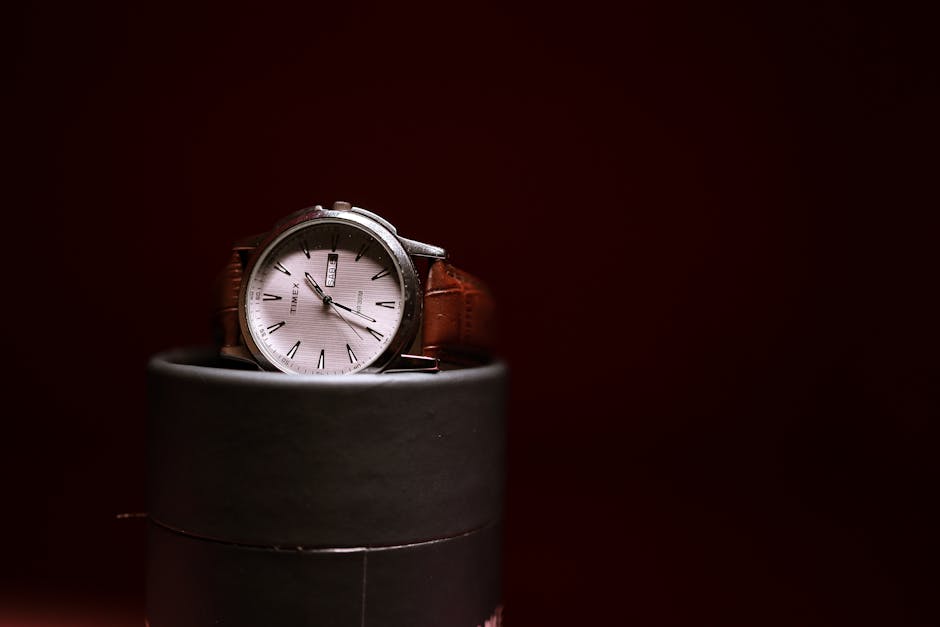
Wristwatches have long been a symbol of style and sophistication, transcending mere functionality to become a vital accessory in modern fashion. From vintage pieces that tell a story to cutting-edge smartwatches that integrate technology into our daily lives, the world of wristwatches is as diverse as it is captivating. This article explores the various aspects of wristwatches, helping you understand their significance, features, and how to choose the right one for your personal style.
The History of Wristwatches
The journey of wristwatches began in the 16th century when portable timekeeping devices were first introduced. Initially, these timepieces were predominantly pocket watches, revered for their craftsmanship and precision. However, the late 19th century witnessed a shift as soldiers during World War I found the convenience of wearing a watch on their wrist invaluable. This practical necessity laid the foundation for the wristwatch as we know it today.
By the 1920s, wristwatches gained widespread popularity among both men and women, leading to a boom in design and innovation. Iconic brands such as Rolex and Omega emerged, setting benchmarks for quality and luxury. Today, wristwatches are not just about telling time; they represent a fusion of art, technology, and personal expression.
The Anatomy of a Wristwatch
Understanding the components of a wristwatch is essential for anyone looking to invest in a quality timepiece. At its core, a wristwatch comprises several key elements: the case, dial, hands, movement, and strap. The case, typically made from materials like stainless steel, gold, or ceramic, protects the intricate mechanisms inside. The dial displays the time, often adorned with numerals or markers that vary in style and complexity.
Movement is the heart of the watch, available in two primary types: mechanical and quartz. Mechanical movements, revered for their craftsmanship, require winding and are often found in luxury timepieces. Quartz movements, powered by batteries, offer accuracy and low maintenance, making them a popular choice for everyday wear. Lastly, the strap or bracelet can significantly influence the watch’s overall look, with options ranging from leather to metal links.
Choosing the Right Wristwatch for You
When it comes to selecting the perfect wristwatch, several factors come into play. First, consider your lifestyle. If you lead an active life, you may want a durable watch with features like water resistance and shockproof capabilities. For formal occasions, a classic timepiece with a leather strap may be more appropriate.
Next, think about the watch’s style. Are you drawn to minimalist designs, or do you prefer bold, intricate pieces? Knowing your taste will help narrow down your options. Additionally, setting a budget is crucial; wristwatches range from affordable to extravagant luxury items. Remember, investing in a quality timepiece often pays off in the long run.
Lastly, pay attention to the brand’s reputation. Established manufacturers often guarantee quality and craftsmanship, which can be particularly important when considering luxury or collectible watches. Some enthusiasts even explore the market for clone watches that replicate the aesthetics of high-end brands at a fraction of the cost.
The Rise of Smartwatches
In recent years, the advent of smartwatches has transformed the landscape of wristwatches. These devices combine traditional watch functionalities with modern technology, offering features such as fitness tracking, notifications, and even mobile payments. Brands like Apple and Samsung have led this revolution, appealing to tech-savvy consumers looking for convenience and connectivity.
While smartwatches provide numerous advantages, they often lack the timeless elegance associated with traditional watches. However, some companies have begun to merge the two worlds, creating hybrid models that retain classic aesthetics while incorporating smart features. This evolution demonstrates the adaptability of wristwatches in an ever-changing technological landscape.
Maintaining Your Wristwatch
Proper maintenance is key to ensuring the longevity of your wristwatch. For mechanical watches, regular servicing is recommended every three to five years to keep the movement in optimal condition. Quartz watches require less upkeep, but changing the battery periodically is essential to maintain accuracy.
Additionally, protecting your watch from extreme temperatures, moisture, and strong magnetic fields will help preserve its functionality. When not in use, store your timepiece in a safe, dry place, ideally in a watch box or pouch to prevent scratches. By taking these simple steps, you can enjoy your wristwatch for many years to come.
Conclusion
Wristwatches are more than just tools for telling time; they embody personal style, craftsmanship, and history. Whether you opt for a classic mechanical watch, a modern smartwatch, or even explore options like clone watches, understanding the nuances of wristwatches can enhance your appreciation for these remarkable accessories. As you navigate the vast array of choices, remember to consider your lifestyle, tastes, and the watch’s features to find the perfect timepiece that not only serves a function but also tells your story.