In the age of digital technology, the way we experience places has transformed significantly. Virtual tour photography offers a unique opportunity to explore environments without physically being there. This innovative approach to capturing spaces has gained traction across various industries, including real estate, tourism, and education. By creating immersive experiences, virtual tours allow individuals to engage with locations in a way that traditional photography cannot.
What is Virtual Tour Photography?
Virtual tour photography is a technique that combines high-quality images and specialized software to create a 360-degree view of a space. This method allows viewers to navigate through a location as if they were physically present. Typically, a series of photographs are taken from different angles, which are then stitched together to form a cohesive panoramic view. The result is an interactive experience that invites viewers to explore every nook and cranny.
The technology behind virtual tours has evolved dramatically over the last decade. With advancements in camera technology and software, it is now possible to create stunningly detailed and lifelike representations of spaces. As a result, industries are increasingly adopting virtual tour photography to enhance their marketing strategies and improve customer engagement.
Benefits of Virtual Tour Photography
One of the most significant benefits of virtual tour photography is its ability to attract and retain potential customers. For instance, in the real estate market, listings that include virtual tours receive 87% more views than those without. This increased visibility can lead to faster sales and higher prices. By offering an immersive experience, potential buyers can better visualize themselves in the space, making it more likely for them to take the next step.
Additionally, virtual tours are an effective tool for enhancing user experience. In the hospitality industry, hotels and resorts are using virtual tours to showcase their amenities and rooms. This not only helps potential guests make informed decisions but also sets the right expectations, leading to increased customer satisfaction.
Moreover, virtual tour photography can significantly reduce the need for in-person visits. This is particularly beneficial in today’s fast-paced world where time is a precious commodity. By allowing users to explore spaces remotely, businesses can save time and resources while providing a valuable service.
Applications of Virtual Tour Photography
The applications of virtual tour photography are vast and varied. In the real estate sector, agents are utilizing this technology to showcase properties effectively. By providing potential buyers with a virtual walkthrough, agents can highlight the best features of a home, making it easier for clients to make decisions.
In the tourism industry, virtual tours are revolutionizing how destinations are marketed. For example, museums and historical sites are creating virtual experiences that allow people to explore their exhibits from anywhere in the world. This not only increases accessibility but also generates interest in visiting the location in person.
Educational institutions are also leveraging virtual tour photography to give prospective students a glimpse of campus life. By allowing students to explore facilities and classrooms online, schools can engage with their audience more effectively and help them make informed choices about their education.
Challenges and Considerations
Despite its many advantages, virtual tour photography is not without its challenges. One primary concern is the cost associated with creating high-quality virtual tours. While technology has made it more accessible, producing professional-grade content still requires investment in equipment and expertise.
Another consideration is the need for a user-friendly interface. A poorly designed virtual tour can frustrate users and detract from the experience. Ensuring that the navigation is intuitive and the images are of high quality is essential for creating a successful virtual tour.
Lastly, businesses need to consider the importance of SEO in promoting their virtual tours. Incorporating effective strategies can help drive traffic to the virtual tour, maximizing its reach and effectiveness.
Future of Virtual Tour Photography
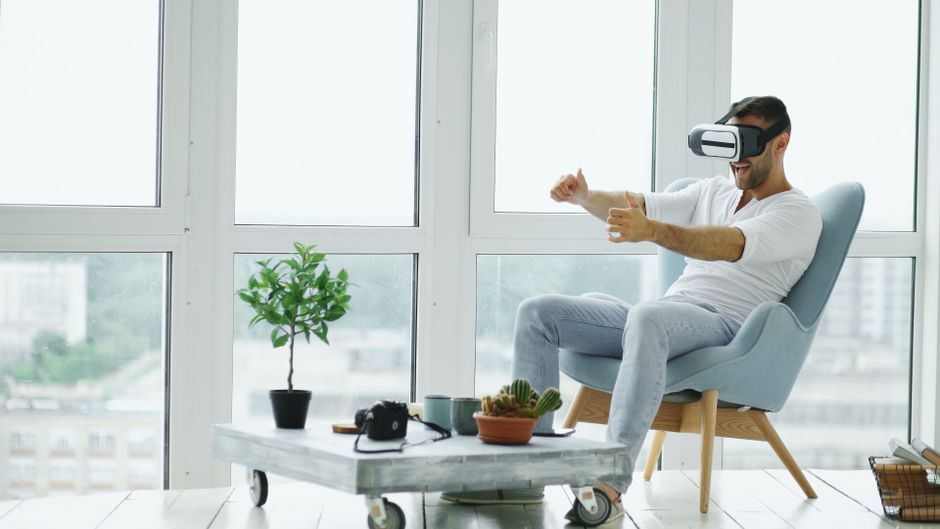
The future of virtual tour photography looks promising as technology continues to evolve. With the advent of virtual reality (VR) and augmented reality (AR), the potential for creating even more immersive experiences is on the horizon. These technologies can enhance the realism of virtual tours, offering users an unparalleled experience.
Moreover, as more industries recognize the value of virtual tours, we can expect to see a broader range of applications. From retail to healthcare, the possibilities for virtual tour photography are endless. As businesses strive to adapt to changing consumer behaviors, virtual tours will likely play a crucial role in their marketing strategies.
In conclusion, virtual tour photography is not just a trend; it is a powerful tool that can transform how we experience and interact with spaces. By offering immersive and engaging experiences, businesses can attract more customers and enhance their overall marketing efforts. To learn more about how to implement virtual tour photography in your strategy, consider exploring professional services that can help you create stunning virtual experiences.