
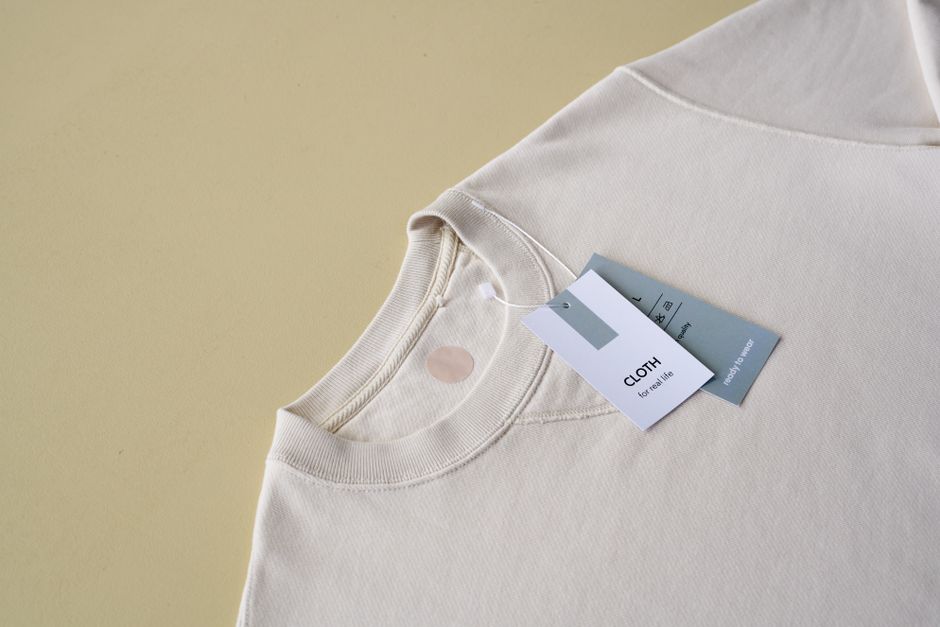
In the ever-evolving world of fashion, private label clothing has emerged as a powerful trend, allowing retailers and entrepreneurs to create their own unique clothing lines without the need for large-scale manufacturing. This article explores the ins and outs of private label clothing, its benefits, and how to successfully navigate the market.
What is Private Label Clothing?
Private label clothing refers to apparel that is manufactured by one company but sold under another company’s brand name. This model allows businesses to offer products that reflect their brand identity without having to invest heavily in production facilities. Retailers can choose styles, fabrics, and designs that resonate with their target audience, creating a personalized shopping experience.
For instance, many popular retail chains have their own private label lines that often compete directly with established brands. This strategy not only helps in building brand loyalty but also provides higher profit margins since retailers can set their prices based on their brand positioning.
The Benefits of Private Label Clothing
One of the primary advantages of private label clothing is the control it offers over product quality and branding. Retailers can ensure that the clothing aligns with their brand values and meets their customers’ expectations. Furthermore, the ability to differentiate their offerings from competitors gives businesses a significant edge in a crowded marketplace.
Additionally, private label clothing often allows for better pricing strategies. Without the licensing fees associated with branded items, retailers can offer competitive prices while maintaining healthy profit margins. This can lead to increased customer satisfaction and repeat business.
How to Start Your Private Label Clothing Line
Starting a private label clothing line involves several critical steps. First, it’s essential to conduct thorough market research to identify trends and consumer preferences. Understanding what your target audience desires will help in selecting the right products to develop.
Next, finding a reliable manufacturer is crucial. Businesses should look for manufacturers that specialize in private label production and can offer quality materials and craftsmanship. Establishing a strong partnership with manufacturers can streamline the production process and ensure timely delivery of products.
Once the clothing line is developed, effective branding and marketing strategies must be implemented. This includes creating a memorable brand identity, designing appealing packaging, and promoting the products through various channels such as social media and influencer marketing.
Moreover, retailers can also utilize platforms that specialize in connecting businesses with manufacturers, simplifying the sourcing process. For example, companies can explore options for private label clothing that suit their brand vision.
Challenges in Private Label Clothing
While private label clothing offers numerous advantages, it also comes with its challenges. One of the most significant hurdles is the potential for low-quality products, which can damage a brand’s reputation. Retailers must ensure rigorous quality control and regularly communicate with manufacturers to mitigate this risk.
Another challenge is market saturation. As more retailers adopt private label strategies, the competition increases, making it essential for businesses to continuously innovate and differentiate their products. Keeping up with fashion trends and consumer demands will be critical for long-term success.
Future Trends in Private Label Clothing
The future of private label clothing looks promising, with an increasing number of retailers recognizing its potential. Sustainability is becoming a significant focus, with many brands looking for eco-friendly materials and ethical manufacturing processes to appeal to environmentally conscious consumers.
Additionally, technological advancements are reshaping the industry, with tools for data analytics and design software enabling brands to make informed decisions about their product offerings. Customization and personalization are also expected to grow, allowing customers to have a more hands-on role in designing their clothing.
Conclusion
Private label clothing presents a unique opportunity for retailers and entrepreneurs to carve out a niche in the competitive fashion industry. By understanding the market, building strong relationships with manufacturers, and embracing innovation, businesses can thrive in this dynamic landscape. As the trend continues to grow, those who adapt and evolve will likely enjoy the rewards of their investment in private label clothing.