
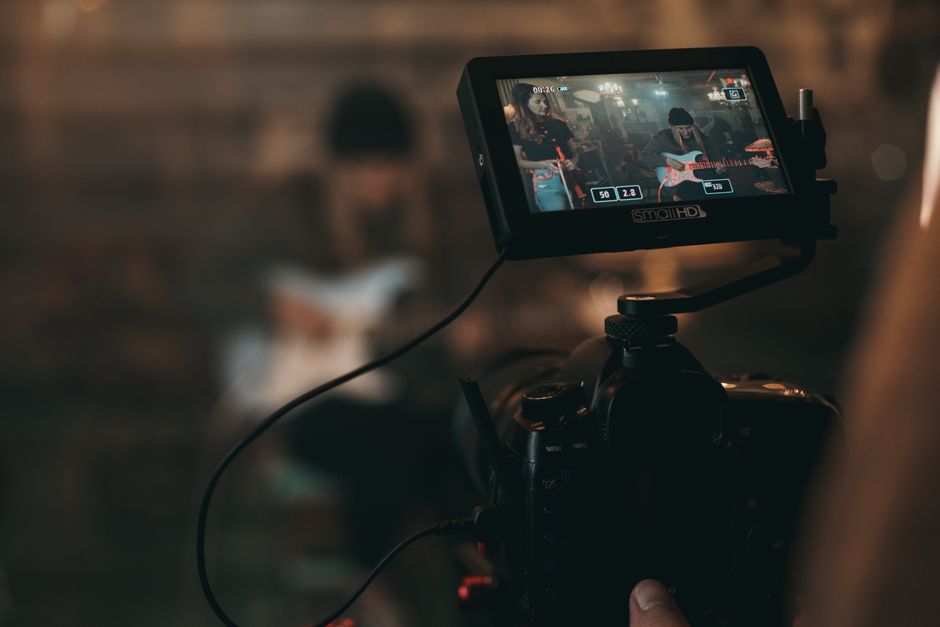
In the modern music industry, a captivating music video is essential for an artist’s success. Not only does it serve as a visual representation of the song, but it also engages the audience in a way that audio alone cannot. The process of creating a music video involves multiple stages, from pre-production planning to post-production editing, each requiring a unique set of skills and resources.
Understanding the Pre-Production Phase
Pre-production is a crucial step in the music video production process. It involves brainstorming concepts, selecting locations, casting talent, and creating a detailed shooting schedule. A well-thought-out plan can save time and money during filming. For instance, a clear storyboard helps visualize each shot, ensuring that all creative ideas align with the artist’s vision.
During this phase, collaboration with the artist is vital. Understanding their brand and the message they want to convey will guide the creative direction. Additionally, budget considerations play a significant role; allocating funds appropriately for locations, equipment, and crew is key to a smooth production.
Once the groundwork is laid, it’s time to scout locations. Whether filming in a studio or an outdoor setting, the chosen environment must complement the song’s theme. For example, a vibrant cityscape can enhance an upbeat track, while a serene forest may suit a more introspective piece.
Filming Techniques and Best Practices
The filming process is where the magic truly happens. Utilizing various techniques can significantly impact the final product. For instance, employing different camera angles can create dynamic visuals. Aerial shots captured with drones have become increasingly popular, providing stunning perspectives that traditional filming cannot achieve.
Lighting is another crucial element in achieving the desired mood. Proper lighting can enhance the emotional weight of a scene, making it more engaging for viewers. For example, soft, diffused lighting may evoke a sense of nostalgia, while harsh, direct lighting can create tension.
Moreover, the choice of camera equipment can greatly affect the quality of the footage. High-definition cameras provide crisp visuals, while specialized lenses can create unique effects, such as a shallow depth of field that draws attention to the subject. Each decision made during filming contributes to the overall aesthetic of the music video.
Edit and Post-Production Magic
After filming wraps up, the next phase is post-production, where all the pieces come together. This stage includes editing the footage, adding special effects, and incorporating color grading to enhance the visuals. The editing process can transform raw footage into a cohesive narrative that resonates with the audience.
Music videos often utilize various effects to keep viewers engaged. Whether it’s slow-motion shots or quick cuts, these techniques can elevate the storytelling aspect of the video. For example, syncing cuts with the beat of the music creates a rhythmic flow that captivates the audience’s attention.
Color grading is another essential aspect of post-production. It sets the mood and tone of the video, influencing how viewers perceive the story. A well-graded video can evoke emotions and enhance the connection between the audience and the artist.
Marketing and Distribution of Music Videos
Once the music video is complete, the next step is marketing and distribution. In today’s digital age, platforms like YouTube and social media are vital for reaching a broader audience. Artists often leverage these platforms to create buzz around their releases, utilizing teasers and behind-the-scenes content to generate interest.
Additionally, collaborating with influencers and bloggers can expand reach. For example, a popular YouTuber reviewing a new music video can introduce the artist to a new audience, driving views and engagement. It’s essential to have a strategic marketing plan that considers the target demographic and the best channels for promotion.
Moreover, analytics tools can help track the performance of the music video. Understanding view counts, audience demographics, and engagement rates can inform future projects and marketing strategies, ensuring continuous growth in the artist’s career.
Challenges in Music Video Production
Despite the exciting nature of music video production, challenges are inevitable. Tight deadlines, budget constraints, and creative differences can lead to stress during the process. However, addressing these challenges head-on can lead to innovative solutions and better outcomes.
For instance, if budget constraints limit location options, creative use of props and costumes can create a visually appealing setting without incurring high costs. Flexibility and adaptability are essential traits for anyone involved in music video production, allowing for the exploration of alternative ideas when faced with obstacles.
Moreover, the fast-paced nature of the music industry demands quick turnarounds. Developing efficient workflows and clear communication within the team can mitigate stress and ensure that projects stay on track.
Conclusion
In conclusion, music video production is a multifaceted process that combines art and technology. From pre-production planning to post-production editing, each stage requires careful consideration and collaboration. As the industry evolves, staying updated on new techniques and platforms is crucial for success. Ultimately, a well-produced music video can significantly enhance an artist’s visibility and impact in the music world, making the effort invested in this creative endeavor worthwhile. As the demand for high-quality visuals continues to grow, the importance of music video production will only increase.