In today’s fast-paced music industry, the demand for professional-quality recordings is higher than ever. Many aspiring musicians and established artists alike are turning to recording studio rentals as a cost-effective solution to achieve their creative visions without the overhead of owning a studio. This article explores the various advantages of renting a recording studio, the factors to consider when choosing one, and tips for maximizing your time in the studio.
Why Rent a Recording Studio?
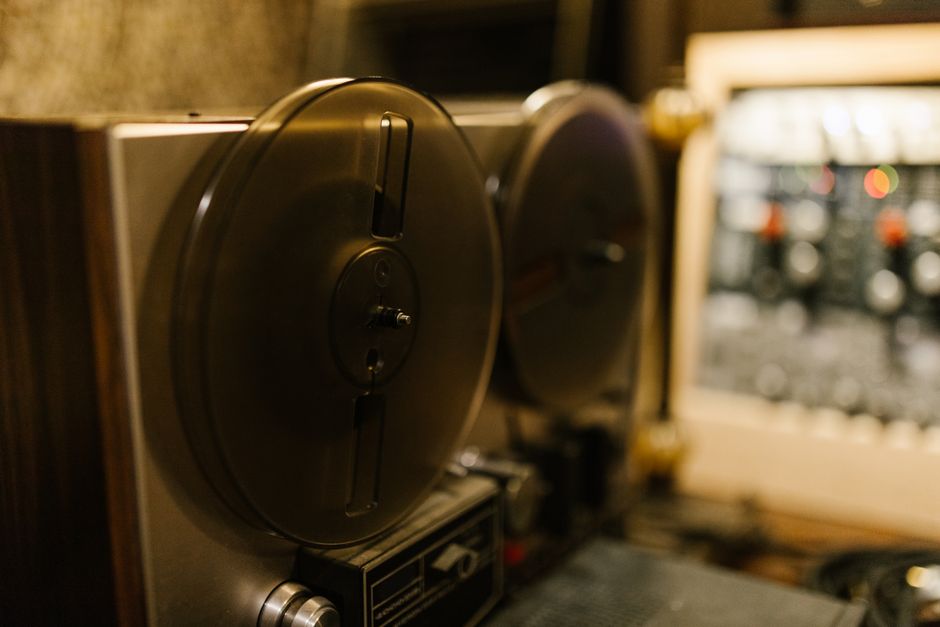
One of the primary reasons artists opt for recording studio rentals is the access to high-quality equipment. Professional studios are equipped with state-of-the-art technology that may be financially unfeasible for an independent artist to purchase. This includes high-end microphones, mixing consoles, and software that can significantly enhance the quality of recordings.
Additionally, working in a professional environment often inspires creativity. The atmosphere of a well-designed studio can stimulate artists and help them produce their best work. Being surrounded by experienced engineers and producers can also provide valuable insights that can elevate a project.
Cost is another significant factor. Renting a studio allows artists to avoid the substantial upfront investment required for setting up their own space. This flexibility enables them to allocate funds toward other essential aspects of their music career, such as marketing or touring.
Choosing the Right Recording Studio
When selecting a recording studio, several key factors should be considered. First, assess the studio’s reputation. Look for reviews and testimonials from previous clients to gauge their experiences. A studio with a strong track record will often have a better understanding of the nuances of sound and production.
Next, consider the location. A conveniently located studio can save time and reduce stress, allowing artists to focus on their music rather than logistics. Additionally, check the studio’s availability and booking policies, as some studios may have restrictive schedules that could conflict with your project timeline.
Lastly, evaluate the studio’s pricing structure. Some studios charge by the hour, while others offer package deals. Understanding the cost implications can help you choose a studio that fits your budget while still meeting your recording needs.
Maximizing Your Time in the Studio
Once you’ve secured a rental, preparation is key to making the most of your time in the studio. Start by organizing your material ahead of time. Ensure that all songs are rehearsed and ready for recording. Having a clear plan for each session can help streamline the process and minimize downtime.
Communicate effectively with the studio staff. Share your vision and any specific requirements you have for the recording. This dialogue ensures that everyone is on the same page and can work collaboratively toward achieving the desired sound.
Finally, be open to feedback. The expertise of the engineers and producers can be invaluable. Their insights might lead to unexpected yet beneficial changes that can enhance the final product.
The Future of Recording Studio Rentals
As technology continues to evolve, the landscape of recording studio rentals is also changing. More studios are now offering remote services, allowing artists to collaborate with producers and sound engineers from different locations. This shift can open up new opportunities for creativity and innovation in the recording process.
Furthermore, the rise of home studios has led to a more competitive market, pushing professional studios to offer better rates and services. Artists can take advantage of this trend by exploring various options and negotiating terms that suit their needs.
Overall, the future looks promising for those who choose to explore recording studio rental options. With the right approach, artists can unlock their full potential and bring their musical visions to life.
Conclusion
In conclusion, recording studio rentals provide a plethora of benefits for artists looking to produce high-quality music without the financial burden of ownership. By carefully selecting a studio, preparing adequately, and maximizing studio time, artists can enhance their creative process and ultimately achieve their recording goals. As the music industry continues to evolve, understanding the advantages of studio rentals will be crucial for aspiring musicians and seasoned professionals alike.