
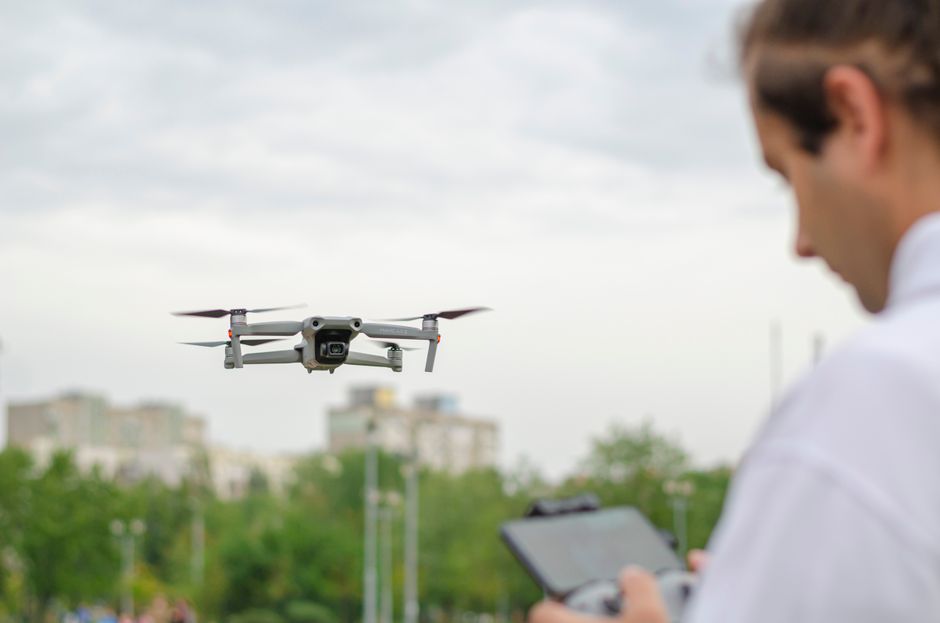
In recent years, the drone industry has experienced exponential growth, leading to an increasing demand for certified drone pilots. Whether you’re looking to pursue a career in aerial photography, agriculture, or surveying, obtaining a drone pilot certification is a crucial step. This article will explore the benefits of certification, the process involved, and tips for aspiring drone pilots.
Why Certification Matters
Certification is essential for several reasons. Firstly, it ensures that pilots have the necessary skills and knowledge to operate drones safely and legally. In many countries, flying a drone for commercial purposes requires certification, which helps regulate the industry and protect public safety.
Moreover, having a certification can enhance your credibility as a pilot. Clients and employers often look for certified operators when hiring for drone-related jobs, as it demonstrates a commitment to professionalism and adherence to safety standards.
Additionally, certified pilots may have access to more job opportunities. Many companies prefer or even require their drone operators to be certified, making it a valuable asset in a competitive job market.
The Certification Process
The process for obtaining a drone pilot certification typically involves several key steps. First, candidates must familiarize themselves with the regulations governing drone operations in their respective countries. In the United States, for example, the Federal Aviation Administration (FAA) sets the standards for drone pilots.
Once you understand the regulations, the next step is to complete the necessary training. This can include online courses, in-person classes, or self-study. Training programs often cover topics such as airspace classifications, weather conditions, and emergency procedures.
After completing the training, candidates must pass a written examination to demonstrate their knowledge. This often includes questions on regulations, safety protocols, and operational procedures. Upon successfully passing the exam, candidates will receive their certification, allowing them to operate drones legally.
Types of Drone Pilot Certifications
There are various types of drone pilot certifications available, depending on the intended use of the drone. For instance, commercial drone pilots typically require a different certification than recreational pilots. In the United States, the FAA offers the Remote Pilot Certificate, which is necessary for anyone looking to fly drones for commercial purposes.
In addition to the Remote Pilot Certificate, there are specialized certifications for specific industries, such as agriculture, real estate, and cinematography. These certifications often require additional training and testing to ensure pilots are equipped with the specific knowledge and skills needed for their field.
Internationally, different countries have their own certification requirements. For example, in the European Union, drone pilots must adhere to the European Union Aviation Safety Agency (EASA) regulations, which include obtaining a Remote Pilot License.
Tips for Aspiring Drone Pilots
For those looking to become certified drone pilots, several tips can help streamline the process. First, invest time in understanding the regulations in your country. Familiarity with local laws and guidelines will not only help you pass the certification exam but also ensure you operate your drone safely.
Additionally, practice flying your drone regularly. Hands-on experience is invaluable and will boost your confidence as a pilot. Consider joining local drone clubs or online forums where you can connect with other pilots and share experiences.
Finally, stay updated on industry trends and advancements. The drone industry is constantly evolving, and being informed about new technologies and regulations can give you a competitive edge.
Conclusion
In conclusion, obtaining a drone pilot certification is an essential step for anyone looking to operate drones, particularly for commercial purposes. The benefits of certification extend beyond legal requirements; they enhance your credibility, provide access to more job opportunities, and ensure safety in operations. By understanding the certification process, exploring various certification types, and following practical tips, aspiring drone pilots can successfully navigate their journey in this exciting and rapidly growing field.