
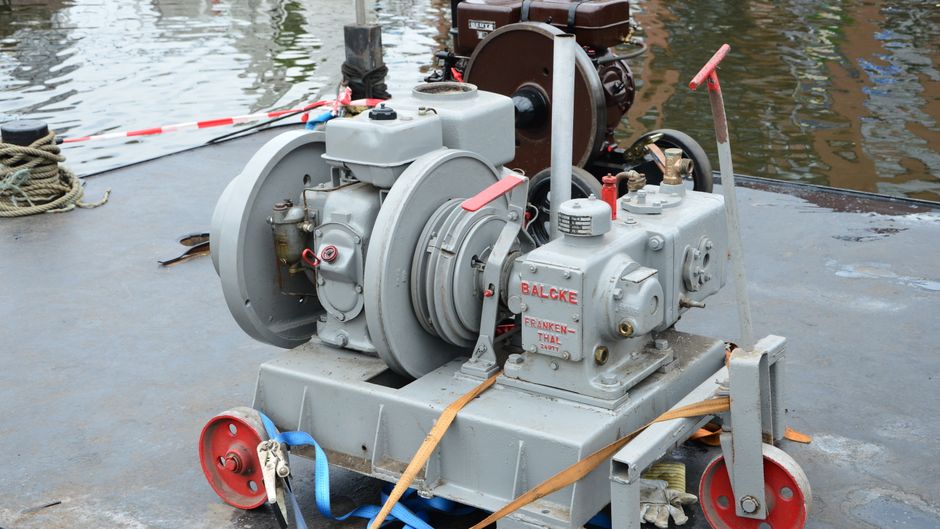
In the vast and intricate world of marine engineering, selecting the right marine engine supplier is crucial for ensuring the efficiency and reliability of maritime operations. With numerous suppliers available, understanding their offerings, capabilities, and the factors that influence your choice can make a significant difference to your business. This article delves into the critical aspects of choosing a marine engine supplier, providing valuable insights and practical advice.
Understanding Your Needs
Before you even begin your search for a marine engine supplier, it’s essential to have a clear understanding of your specific needs. Are you looking for engines for commercial vessels, recreational boats, or perhaps for industrial purposes? Each category requires different specifications and features. Moreover, understanding the operational environment—such as freshwater versus saltwater, or the expected load and speed—will also play a significant role in determining the type of engine required.
For instance, commercial vessels often need engines that are robust and designed for long hours of operation, while recreational boats might prioritize fuel efficiency and ease of maintenance. Identifying these needs upfront will streamline your search and help you communicate effectively with potential suppliers.
In addition, it’s beneficial to evaluate the long-term operational costs associated with different engine types. This includes not only the initial purchase price but also fuel consumption, maintenance requirements, and potential downtime. By analyzing these factors, you can set a budget that aligns with your operational goals.
Evaluating Supplier Reputation
Once you have a clear idea of your requirements, the next step is to evaluate potential marine engine suppliers. Supplier reputation is often a good indicator of the quality of their products and services. Look for suppliers with a proven track record in the industry, and consider seeking recommendations from colleagues or industry peers.
Online reviews and testimonials can provide insights into customer satisfaction and the reliability of the supplier. Additionally, industry awards or certifications can be indicative of a supplier’s commitment to quality and innovation. For example, a supplier that is recognized for environmentally friendly practices may be more suitable if sustainability is a priority for your operations.
Furthermore, consider the supplier’s experience in the marine sector. Suppliers with extensive experience are more likely to understand the nuances of marine engineering and can offer expert advice tailored to your specific needs.
Assessing Product Range and Technology
Another critical aspect of selecting a marine engine supplier is the range of products they offer. A supplier with a diverse portfolio can provide options that cater to various requirements, ensuring that you have access to the latest technology and innovations in marine engines.
Modern marine engines are not only designed for performance but also for efficiency and sustainability. Suppliers that invest in research and development often lead the way in technological advancements, such as hybrid engines or those designed to minimize emissions. Exploring these options can greatly benefit your business, especially in an era where environmental regulations are becoming increasingly stringent.
Moreover, consider the compatibility of the engines with your existing systems and equipment. A supplier that can provide comprehensive support and integration solutions will save you time and reduce potential operational disruptions.
Service and Support
The level of service and support provided by your chosen marine engine supplier is another vital factor. Reliable after-sales support can make a significant difference in maintaining the operational efficiency of your vessels. This includes availability of spare parts, maintenance services, and technical support.
Evaluate the warranty and service agreements offered by the supplier. A robust warranty can provide peace of mind and protect your investment. Additionally, suppliers that offer training programs for your crew can enhance operational safety and efficiency, ensuring that your team is well-equipped to handle the engines.
Lastly, consider the supplier’s responsiveness and willingness to assist you with any issues that may arise. Effective communication and support can foster a strong partnership that benefits both parties in the long run.
Cost Considerations
While cost should not be the sole determining factor in your choice of a marine engine supplier, it is undeniably important. A comprehensive cost analysis should take into account not only the initial purchase price but also the total cost of ownership over the engine’s lifespan.
Request quotes from multiple suppliers and compare them carefully. Keep in mind that the cheapest option may not always be the best choice. Evaluate the overall value offered, including product quality, warranty terms, and the level of support provided.
Additionally, consider the potential for negotiation. Many suppliers are open to discussing terms and conditions, particularly for bulk purchases or long-term contracts. Building a good relationship with your supplier can also lead to more favorable terms in the future.
Conclusion
Choosing the right marine engine supplier is a critical decision that can impact the efficiency, reliability, and overall success of your maritime operations. By understanding your specific needs, evaluating supplier reputation, assessing product range and support, and considering cost factors, you can make an informed choice that aligns with your business goals. A trusted marine engine supplier will not only provide you with high-quality engines but also partner with you to ensure the long-term success of your operations.