
Sheet metal fabrication is a crucial process in various industries, ranging from automotive to aerospace. As businesses seek to optimize their production methods, understanding the nuances of this process becomes essential. In this article, we will delve into the various aspects of sheet metal fabrication, its benefits, techniques, and applications, providing a comprehensive overview for both novices and experts alike.
What is Sheet Metal Fabrication?
At its core, sheet metal fabrication involves the manipulation of flat sheets of metal to create parts or structures. This process can include cutting, bending, and assembling materials to achieve the desired shape and functionality. The materials commonly used in sheet metal fabrication include aluminum, steel, copper, and brass, each offering unique properties suitable for different applications.
The history of sheet metal fabrication dates back centuries, but with advancements in technology, the methods have evolved significantly. Modern techniques like laser cutting and CNC machining have revolutionized the industry, allowing for greater precision and efficiency.
Key Techniques in Sheet Metal Fabrication
There are several fundamental techniques employed in sheet metal fabrication. Each technique serves a specific purpose and is chosen based on the requirements of the final product.
1. **Cutting**: This initial step involves removing excess material to shape the metal. Techniques such as shearing, laser cutting, and plasma cutting are prevalent. Laser cutting, in particular, offers high accuracy and is suitable for complex designs.
2. **Bending**: After cutting, the metal is often bent to reach the desired angle or shape. This can be accomplished through various methods, including press braking and roll bending. The choice of bending technique depends on the thickness and type of material.
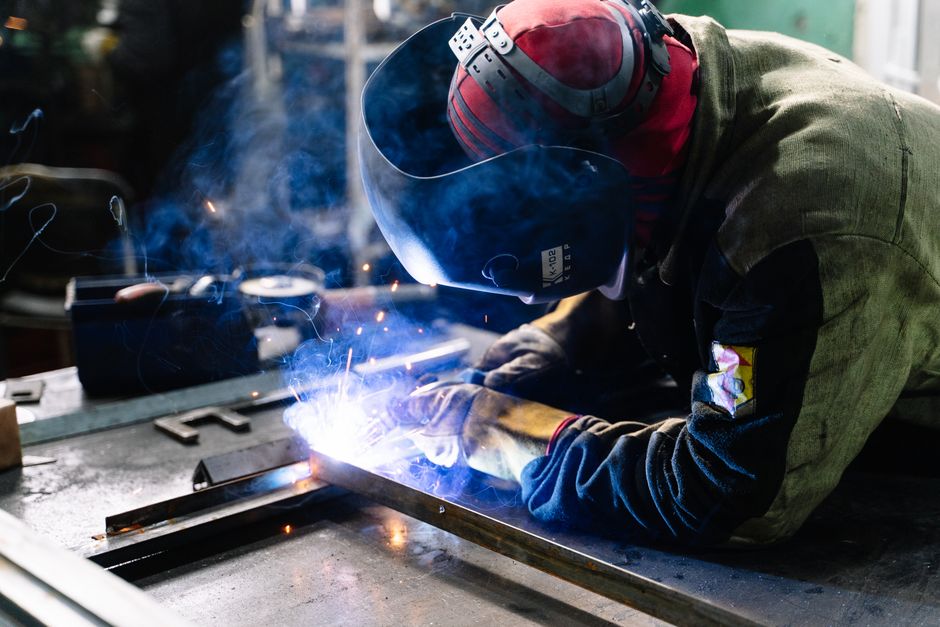
3. **Assembling**: Once the individual parts are shaped, they are assembled using techniques like welding, riveting, or fastening. The selection of the assembly method is crucial, as it impacts the strength and durability of the final product.
These techniques are often combined in various ways, depending on the complexity of the project and the specific requirements of the application.
Benefits of Sheet Metal Fabrication
The advantages of sheet metal fabrication are manifold, making it a preferred choice for manufacturers across different sectors. Here are some of the key benefits:
1. **Cost-Effectiveness**: When produced in large quantities, sheet metal components can be manufactured at a lower cost compared to other materials. This cost efficiency is particularly beneficial for mass production.
2. **Durability**: Metal parts are known for their strength and longevity. Sheet metal fabrication produces items that can withstand various environmental conditions, making them suitable for diverse applications.
3. **Versatility**: The adaptability of sheet metal fabrication allows it to be used in numerous industries, including construction, electronics, and automotive. This flexibility enables manufacturers to create a wide range of products, from simple brackets to complex enclosures.
4. **Precision**: Modern fabrication techniques provide high levels of accuracy, reducing waste and ensuring that components fit together seamlessly. This precision is critical in industries where tolerances are tight.
Applications of Sheet Metal Fabrication
Sheet metal fabrication finds applications in a variety of fields, each benefiting from the unique properties of metal components. Here are a few notable examples:
1. **Automotive Industry**: Many car parts, such as chassis and body panels, are produced using sheet metal fabrication. The strength and lightweight nature of fabricated components contribute to improved fuel efficiency and safety.
2. **Aerospace**: The aerospace industry relies heavily on sheet metal fabrication for components like fuselage sections and wing structures. The rigorous standards for durability and weight make metal fabrication an ideal choice.
3. **Consumer Electronics**: Products such as laptops and smartphones often utilize sheet metal fabrication for their housings. The sleek design and durability of metal enclosures help protect sensitive electronics.
4. **Construction**: Sheet metal is extensively used in construction for roofing, siding, and structural components. Its resistance to corrosion and weathering makes it a reliable choice for building materials.
Challenges in Sheet Metal Fabrication
Despite its many advantages, sheet metal fabrication is not without challenges. Manufacturers must navigate issues such as:
1. **Material Limitations**: Different metals have varying properties, which can impact their suitability for specific applications. Understanding these limitations is crucial for successful fabrication.
2. **Technological Advancements**: Keeping up with the latest technologies and methods can be a challenge for manufacturers. Investing in new equipment and training is essential to remain competitive.
3. **Quality Control**: Ensuring consistent quality throughout the fabrication process can be challenging. Implementing rigorous quality control measures is vital to avoid defects and maintain customer satisfaction.
4. **Environmental Considerations**: As industries move towards sustainability, metal fabrication must adapt to reduce waste and energy consumption. This shift requires innovative practices and materials.
Conclusion
In conclusion, sheet metal fabrication is a vital process that plays a crucial role in various industries. Understanding its techniques, benefits, and challenges helps manufacturers optimize their production processes and meet the demands of their customers. As technology continues to advance, the future of sheet metal fabrication looks promising, offering new opportunities for innovation and efficiency. For those looking to delve deeper into this subject, exploring resources on sheet metal fabrication can provide valuable insights and knowledge.