
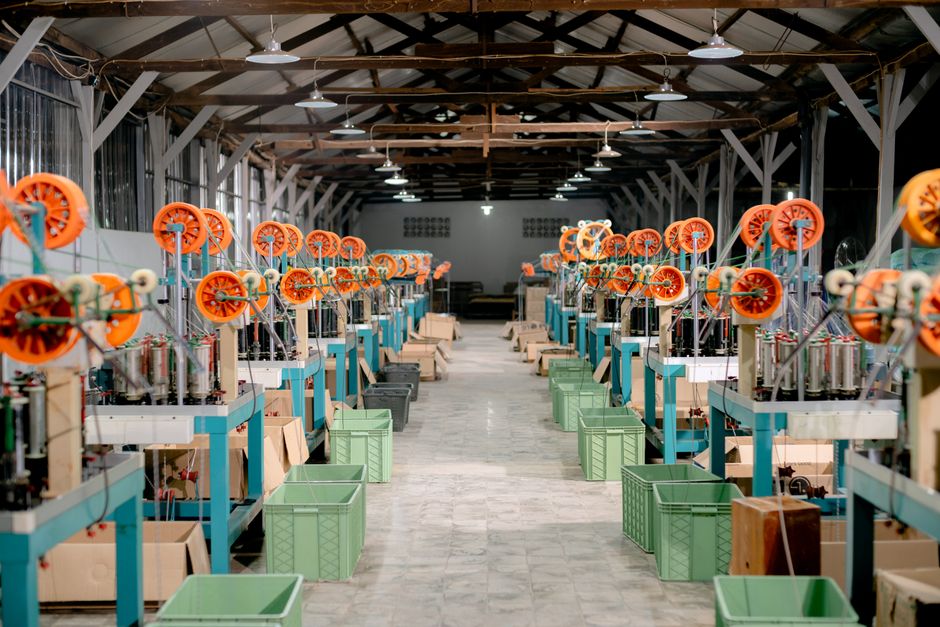
In the realm of industrial manufacturing, rubber molding has emerged as a pivotal process for creating a wide array of products. From automotive parts to household items, the versatility of rubber molding is unmatched. This article delves deep into the significance of rubber molding manufacturers, the processes they employ, and the benefits they offer to various industries.
The Basics of Rubber Molding
Rubber molding is a manufacturing process that involves shaping rubber materials into specific forms. This technique can be applied using various methods, such as compression molding, transfer molding, and injection molding. Each method has its unique advantages and applications, making rubber molding a highly adaptable process.
The primary materials used in rubber molding include natural rubber, synthetic rubber, and thermoplastic elastomers. Each type of rubber offers different properties, such as flexibility, durability, and resistance to environmental factors. Understanding these materials is essential for manufacturers to select the appropriate type for their specific applications.
For instance, the automotive industry often relies on rubber parts that can withstand extreme temperatures and pressures. Therefore, manufacturers must choose materials that meet these stringent requirements to ensure the longevity and performance of their products.
Key Benefits of Working with Rubber Molding Manufacturers
One of the most significant advantages of collaborating with rubber molding manufacturers is cost-efficiency. By outsourcing rubber molding processes, companies can reduce operational costs associated with equipment maintenance, labor, and raw material procurement.
Additionally, rubber molding manufacturers possess specialized expertise and technology that can enhance product quality. Modern manufacturing facilities are equipped with advanced machinery that allows for precise molding and consistent quality across batches. This level of precision is crucial, especially in industries like aerospace and medical devices, where safety and reliability are paramount.
Furthermore, engaging a fabricante moldeo caucho can speed up production timelines. With established processes and skilled labor, these manufacturers can deliver products faster than in-house production, allowing businesses to respond quickly to market demands.
Applications of Rubber Molding Across Industries
Rubber molding finds applications in a diverse range of sectors. In the automotive industry, it is used to produce gaskets, seals, and vibration dampeners. These components are critical for ensuring vehicle performance and safety.
In the medical field, rubber molding is essential for creating items such as surgical gloves, seals for medical devices, and tubing. The biocompatibility of rubber materials used in these products is vital to ensure patient safety and product efficacy.
Another growing application is in consumer goods, where rubber molding is employed to manufacture items like kitchen utensils, toys, and sporting goods. The flexibility of rubber allows for innovative designs and functionalities that enhance user experience.
Choosing the Right Rubber Molding Manufacturer
Selecting the right rubber molding manufacturer is crucial for ensuring product quality and reliability. When evaluating potential partners, businesses should consider factors such as experience, technological capabilities, and customer reviews.
It is also important to assess the manufacturer’s adherence to industry standards and certifications. Compliance with regulations such as ISO and FDA can indicate a commitment to quality and safety.
Moreover, a good manufacturer should offer customization options to meet specific design and performance requirements. This flexibility can be a significant advantage in highly competitive markets where differentiation is key.
The Future of Rubber Molding
As technology continues to evolve, the rubber molding industry is poised for growth and innovation. Advancements in materials science are leading to the development of new rubber formulations that improve performance and sustainability.
Additionally, the integration of automation and smart manufacturing techniques is transforming traditional rubber molding processes. This shift not only enhances efficiency but also reduces waste, aligning with global sustainability goals.
In conclusion, the role of rubber molding manufacturers is integral to various industries, providing essential products that enhance functionality and safety. By understanding the processes, benefits, and future trends, businesses can make informed decisions when partnering with these manufacturers.
Conclusion
Rubber molding remains a cornerstone of modern manufacturing, enabling companies to produce high-quality products efficiently. With the right manufacturer, businesses can leverage the advantages of rubber molding to improve their operations and meet consumer demands effectively. As the industry evolves, staying informed about trends and technologies will be essential for maintaining a competitive edge.