
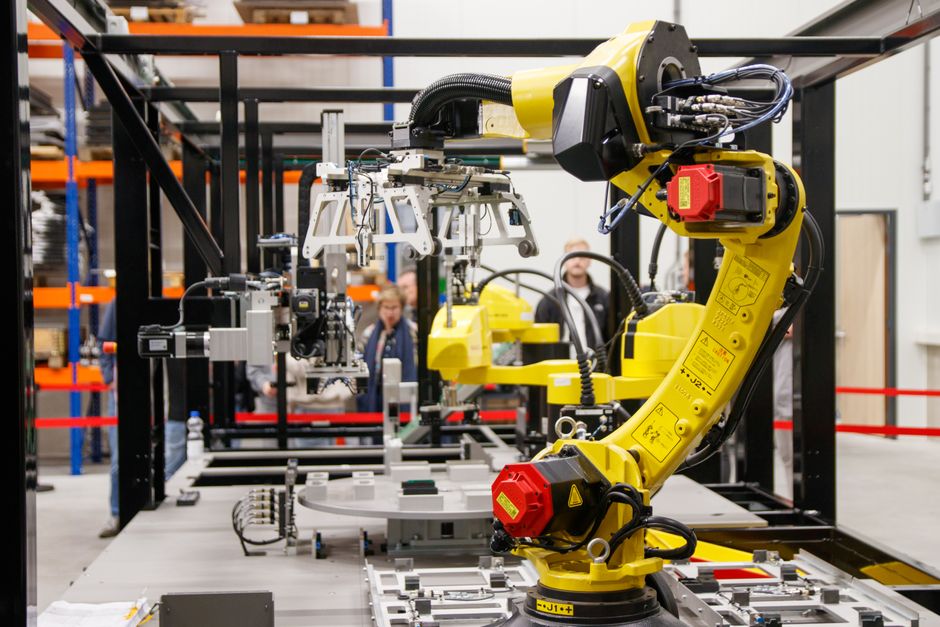
The industrial automation sector is rapidly evolving, driven by technological advancements and the need for greater efficiency in production processes. As companies strive to enhance their operational capabilities, the role of reliable suppliers becomes crucial. This article delves into the significance of industrial automation suppliers, the technologies they provide, and how they can impact the overall performance of manufacturing operations.
Understanding Industrial Automation
Industrial automation refers to the use of control systems such as computers or robots for handling different processes and machinery in an industry to replace human intervention. This concept is not new, but its implementation has significantly increased in recent years due to the advancements in technology and the need for efficiency and accuracy in production.
Automation can range from simple control systems to complex systems that involve robotics, artificial intelligence, and machine learning. The integration of these technologies can lead to improved productivity, enhanced quality, and reduced operational costs. For businesses looking to optimize their production lines, partnering with a seasoned industrial automation supplier is essential.
Key Technologies in Industrial Automation
Several technologies are at the forefront of industrial automation, each offering unique benefits. Key technologies include:
1. Robotics: Industrial robots can handle repetitive tasks with precision and speed, reducing the risk of human error. They are commonly used in assembly lines, welding, painting, and packaging.
2. IoT (Internet of Things): IoT devices enable seamless communication between machinery, allowing for real-time monitoring and control. This connectivity leads to better decision-making and predictive maintenance, reducing downtime.
3. AI and Machine Learning: These technologies allow machines to learn from data and improve their performance over time. They can optimize processes and predict failures before they occur, providing significant cost savings.
The Advantages of Choosing the Right Supplier
Selecting the right industrial automation supplier can make a significant difference in the success of automation initiatives. A reliable supplier will not only provide the necessary equipment but also offer expertise in implementation and ongoing support.
Many suppliers provide comprehensive solutions that include system design, installation, and training. They can help organizations understand the specific automation needs and tailor solutions that align with their operational goals. Additionally, they often offer integration services that ensure new systems seamlessly work with existing infrastructure.
Moreover, a strong partnership with a supplier can lead to long-term benefits, including improved system performance, reduced maintenance costs, and enhanced operational efficiency. This is particularly important in competitive industries where margins can be tight.
Case Studies: Successful Automation Implementations
To illustrate the impact of industrial automation suppliers, consider the following case studies:
Case Study 1: Automotive Manufacturer – A leading automotive manufacturer implemented robotic assembly lines to increase production capacity. By partnering with an experienced supplier, they were able to reduce assembly time by 30% and improve product quality, leading to higher customer satisfaction.
Case Study 2: Food Processing Industry – A food processing company adopted IoT solutions for real-time monitoring of their production processes. This allowed them to identify bottlenecks and optimize their operations, resulting in a 20% reduction in waste and significant cost savings.
Conclusion: The Road Ahead for Industrial Automation
The future of industrial automation is bright, with continuous advancements in technology paving the way for more efficient and reliable manufacturing processes. As industries grow more competitive, the need for effective automation solutions becomes critical.
Choosing the right industrial automation supplier is a key step toward achieving these goals. With the right partnership, businesses can harness the power of automation to drive growth, enhance productivity, and remain competitive in an ever-changing market.