
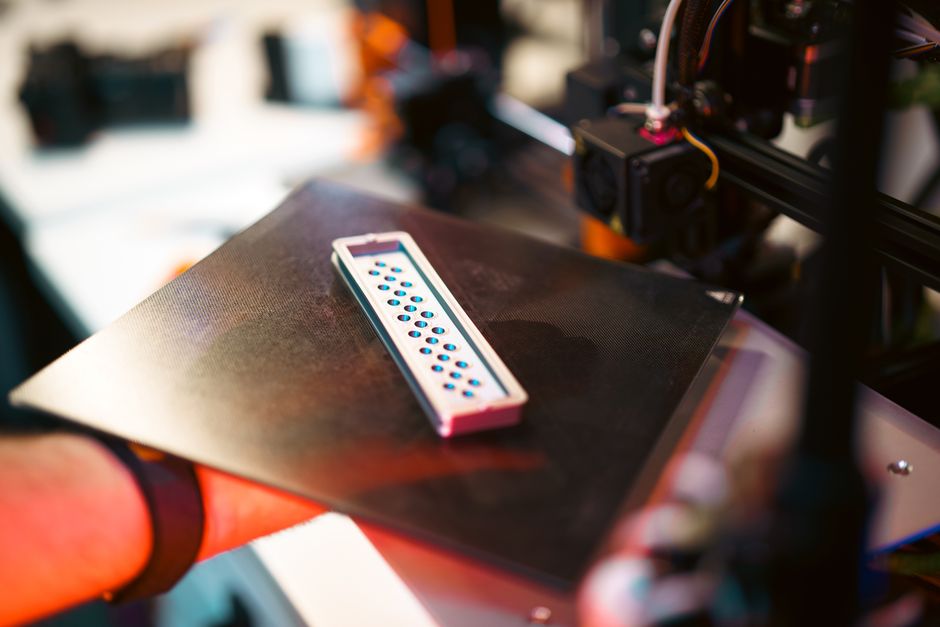
In a world where technology is rapidly evolving, 3D printing has emerged as a game-changer in various industries. This innovative technology allows for the creation of complex structures and designs that were once thought to be impossible. Whether you’re an entrepreneur looking to prototype a new product or a manufacturer aiming to streamline production, understanding the capabilities and benefits of 3D printing service can provide a significant advantage.
Understanding 3D Printing Technology
3D printing, also known as additive manufacturing, is a process that involves creating three-dimensional objects from a digital file. The technology works by laying down successive layers of material until the desired shape is achieved. This method contrasts with traditional subtractive manufacturing, where material is removed from a solid block. The versatility of 3D printing technology allows for a range of materials including plastics, metals, and even biological materials.
One of the most significant advantages of 3D printing is its ability to produce highly customized products. This capability is particularly beneficial in industries like healthcare, where personalized medical devices can be created for individual patients. For instance, orthopedic implants can be tailored to fit the exact specifications of a patient’s anatomy, enhancing comfort and effectiveness.
Furthermore, 3D printing reduces waste, as materials are only used where needed, making it an environmentally friendly manufacturing solution. As industries continue to seek sustainable practices, the adoption of 3D printing technology is likely to grow.
The Benefits of Using 3D Printing Services
Utilizing 3D printing services offers several benefits that can significantly impact businesses. First and foremost, it drastically shortens the product development cycle. Traditional manufacturing processes can take weeks or even months to prototype and finalize a product. In contrast, 3D printing can produce a prototype in a matter of days, allowing companies to bring their ideas to market faster.
Additionally, 3D printing services can lower production costs, especially for small to medium-sized runs. Since tooling and setup costs are minimized, companies can produce limited quantities without incurring substantial expenses. According to a report by Wohlers Associates, the global 3D printing market is expected to reach $35.6 billion by 2024, indicating a growing trend towards this cost-effective manufacturing method.
Moreover, 3D printing fosters innovation. With the ability to create complex geometries that were previously unattainable, businesses can explore new design possibilities that enhance product functionality and aesthetics.
Applications Across Industries
The applications of 3D printing services span across various sectors, each leveraging the technology to meet unique needs. In the automotive industry, companies like Ford and BMW are using 3D printing to produce lightweight components, which contribute to better fuel efficiency and performance.
In aerospace, companies such as Boeing and Airbus are increasingly relying on 3D printing for parts production. The ability to create intricate designs while reducing material weight is critical in this industry, where every gram counts. A recent study revealed that Boeing has used 3D printing to produce over 60,000 parts for its commercial aircraft, showcasing the technology’s reliability and effectiveness.
The healthcare sector is also witnessing a surge in 3D printing applications. From dental implants to prosthetic limbs, the ability to customize medical solutions is revolutionizing patient care. Hospitals are adopting 3D printing to create surgical models that help in preoperative planning, ultimately improving surgical outcomes.
Challenges and Considerations
While the benefits of 3D printing services are significant, it is essential to acknowledge the challenges that come with this technology. One of the primary concerns is the quality and durability of 3D printed products. Unlike traditional manufacturing methods, which have established quality control processes, 3D printing is still evolving in terms of material properties and reliability.
Additionally, intellectual property issues pose a challenge in the realm of 3D printing. As designs can be easily replicated, companies must navigate the complexities of protecting their innovations. Implementing robust security measures and legal frameworks is crucial to safeguarding proprietary designs.
Lastly, the initial investment in 3D printing technology can be a barrier for some businesses. While costs have been decreasing, acquiring high-quality printers and materials can still require a significant upfront investment. However, the long-term savings and benefits often outweigh these initial costs.
The Future of 3D Printing Services
The future of 3D printing services looks promising, with continuous advancements in technology and materials. Innovations such as multi-material printing and improved printing speeds are on the horizon, further enhancing the capabilities of this transformative manufacturing method.
Furthermore, as more industries recognize the advantages of 3D printing, the demand for specialized services will likely increase. Companies that invest in these services now will position themselves at the forefront of this manufacturing revolution.
In conclusion, 3D printing services are reshaping the manufacturing landscape, offering unprecedented customization, efficiency, and sustainability. As technology continues to evolve, understanding and leveraging these services will be crucial for businesses aiming to thrive in a competitive market.
Conclusion
In summary, the rise of 3D printing services represents a significant shift in how products are designed and manufactured. Its ability to reduce costs, shorten lead times, and foster innovation makes it a valuable asset for businesses across various industries. By embracing this technology, companies can not only enhance their operational efficiency but also unlock new opportunities for growth and creativity.